Physical Address
304 North Cardinal St.
Dorchester Center, MA 02124
Physical Address
304 North Cardinal St.
Dorchester Center, MA 02124


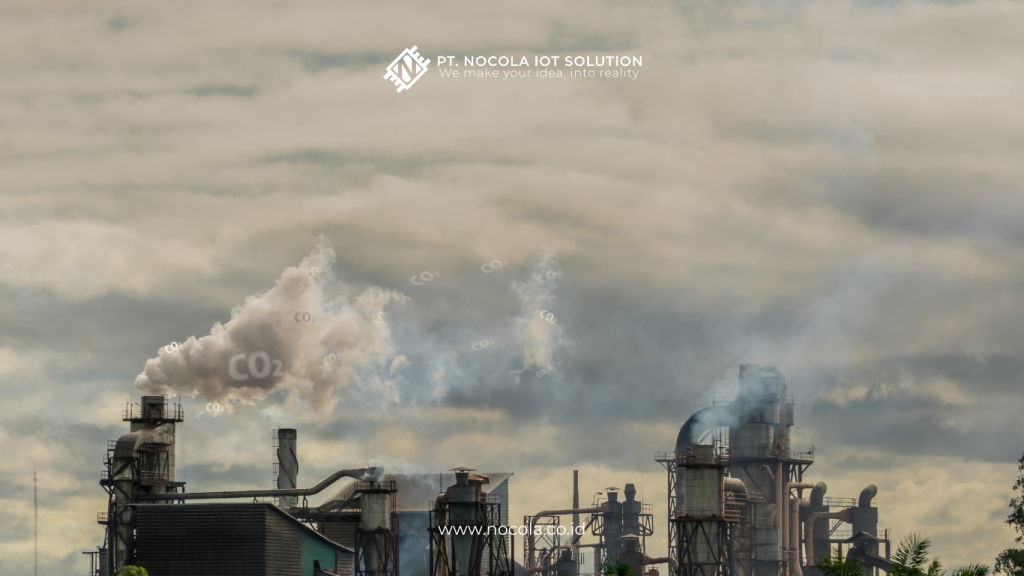
Climate change and increasing air pollution have become some of the biggest challenges faced by the world today. Many countries have tightened emission regulations to address this issue. This is where the crucial role of continuous emission monitoring technology, or Continuous Emission Monitoring System (CEMS), comes into play. One solution that has been developed is CEMS Nocola, which offers real-time emission monitoring, helping industries meet environmental standards while reducing negative impacts on the planet.

Read More: Benefits of Implementing a CEMS (Continuous Emission Monitoring System) System for Industry
CEMS is a system used to continuously monitor exhaust gas emissions from industrial sources, such as power plants, factories, and other facilities that release pollutants into the air. This system measures the concentration of harmful gases such as sulfur dioxide (SO₂), nitrogen oxides (NOx), carbon monoxide (CO), and other particulates. With continuous monitoring, CEMS enables companies to comply with environmental regulations, as well as identify and address problems before they become larger.
The importance of CEMS cannot be overstated. With increasingly stringent environmental regulations, companies must be able to demonstrate that they are effectively monitoring and controlling their emissions. Beyond legal compliance, continuous monitoring also aids global efforts to reduce the impact of air pollution on human health and the environment.

Read More: Nocola X PT Cemindo Gemilang: Emission Monitoring System
Nocola CEMS is designed to offer a reliable, accurate, and efficient solution for emission monitoring. Here are some of the key advantages of Nocola CEMS:

Read More: Reducing Carbon Emissions in Power Plants: Solutions and Strategies
Nocola CEMS has been implemented across various industry sectors to help monitor and reduce emissions. Some of the key industries benefiting from this technology include:

Read More: IoT in the Energy Industry: Helping Reduce Carbon Emissions
Nocola CEMS uses advanced sensors to detect and measure various types of exhaust gases generated by industrial processes. This data is then sent to a central system, where it is analyzed and stored. The system also enables remote access, meaning that management and environmental inspectors can monitor the data from any location.
The working process of Nocola CEMS can be summarized in a few key steps:
Read More: Overcoming Challenges in Continuous Emission Monitoring
The future of emission monitoring will involve more advanced technologies, enhanced accuracy, and greater automation. With the increasing development of IoT and cloud technology, emission monitoring will become more integrated, and Nocola CEMS is ready to play a crucial role in this evolution. The goal is to ensure that industries comply with environmental regulations and contribute to the broader objective of reducing global carbon emissions.
In the long run, the combination of digital transformation and smart environmental management will help industries operate more sustainably while meeting the demands of both the government and society.
With increasing pressure to reduce carbon emissions and adhere to stricter regulations, implementing a continuous emission monitoring system like Nocola CEMS is a key step for many industries. Offering real-time, accurate, and efficient solutions for emission control, Nocola CEMS helps companies not only meet legal requirements but also play a positive role in the fight against climate change. With continued advancements in technology, the future of emission monitoring looks brighter than ever
