Physical Address
304 North Cardinal St.
Dorchester Center, MA 02124
Physical Address
304 North Cardinal St.
Dorchester Center, MA 02124
Water quality is one of the most crucial environmental issues, especially in areas with rapid industrial activity and urbanization, like Semarang. The need for continuous and accurate water quality monitoring has led many to adopt the latest technology. One such technology is the Water Quality Monitoring System (WQMS), designed to measure various water quality parameters in real-time. PT Nocola IoT Solution, a pioneer in IoT technology innovation, has installed the WQMS in Semarang, providing an advanced solution for more effective water quality monitoring. This article will discuss the functions, features, and benefits of WQMS in the effort to maintain water quality in Semarang.
Water Quality Monitoring System (WQMS) is a system designed to monitor water quality by measuring key parameters such as pH, temperature, dissolved oxygen, conductivity, and turbidity. Sensors connected to the system automatically collect data, which is then analyzed and stored in real-time. The use of IoT technology in this system allows the data to be sent directly to the cloud, making it accessible anytime and anywhere by relevant parties.
Read More: Building an IoT Ecosystem with Fluxcloud from Nocola: Managing IoT Data at Scale
Semarang is a major city located on the coast of Java, with several vital rivers and water sources. However, rapid urbanization, industrial activities, and climate change increase the risk of water quality degradation in the city. WQMS plays a crucial role in addressing these challenges because:
Read More: Nocola Flux: IoT Solutions for a More Connected and Efficient Smart City
WQMS works by integrating various components, including sensors, IoT devices, and a cloud platform. The system operates through the following steps:
Read More: The Innovation Behind Nocola’s Fluxbox and Fluxgateway: Connecting IoT for a Smarter World
The installation of WQMS in Semarang by PT Nocola IoT Solution involved several critical stages to ensure the system functions optimally. These include:
Read More: Nocola Flux: IoT Solutions for a More Connected and Efficient Smart City
Although WQMS offers numerous advantages, its implementation in the field is not without challenges. Some potential challenges in the installation and operation of WQMS include:
Infrastructure Availability: A stable internet connection is essential for WQMS operations. Therefore, PT Nocola collaborates with network providers to ensure infrastructure availability at each monitoring location.
Operational Costs: While the initial installation cost might be relatively high, the long-term benefits in better water management and reduced environmental pollution costs far outweigh the initial expenses.
System Maintenance: The sensors used in WQMS require regular maintenance and calibration. PT Nocola provides maintenance services to ensure the sensors are always in optimal condition.
Technologies like WQMS play a critical role in supporting sustainable water resource management. With accurate, real-time monitoring, authorities and companies can make better decisions in water management. In Semarang, the implementation of WQMS helps identify water quality issues early, allowing for prompt corrective actions.
WQMS also supports the sustainable development agenda by safeguarding water quality for future generations. With the right technology, water pollution can be minimized, and water resources can be managed more wisely.
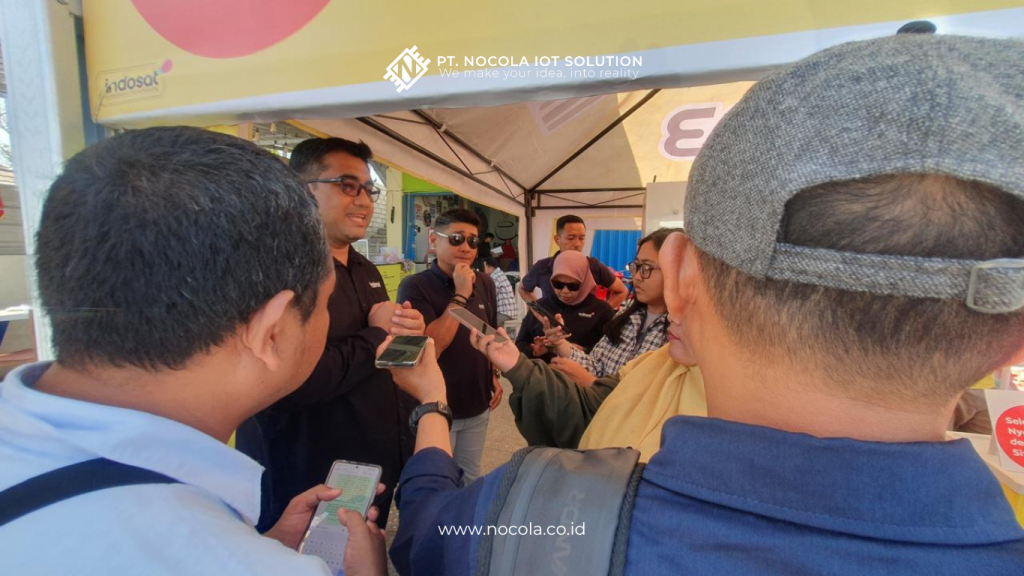
The implementation of the Water Quality Monitoring System (WQMS) by PT Nocola IoT Solution in Semarang marks a significant step forward in addressing the city’s water quality challenges. With real-time monitoring capabilities, this system enables early detection of pollution and provides accurate data to support water resource management. Through IoT technology, WQMS delivers innovative solutions.