Physical Address
304 North Cardinal St.
Dorchester Center, MA 02124
Physical Address
304 North Cardinal St.
Dorchester Center, MA 02124
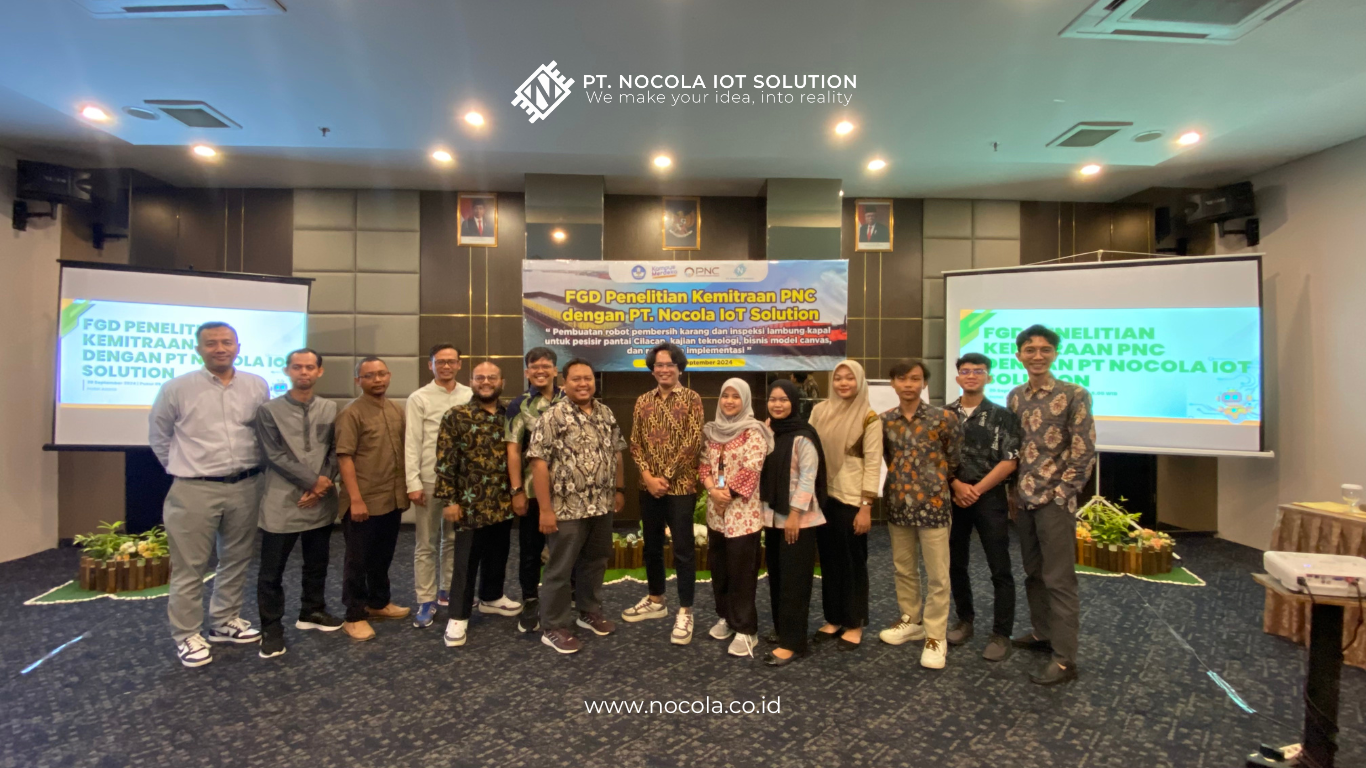
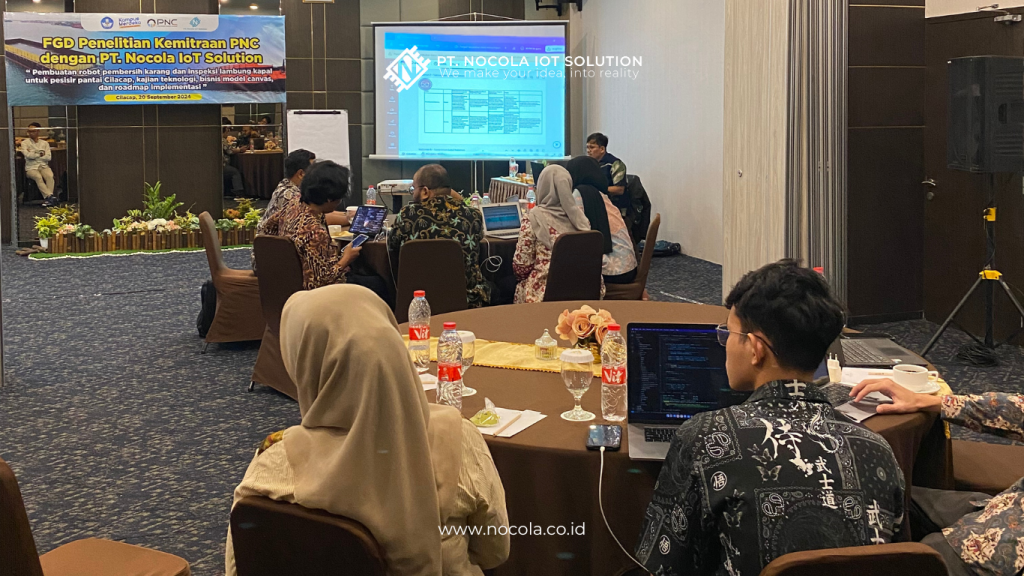
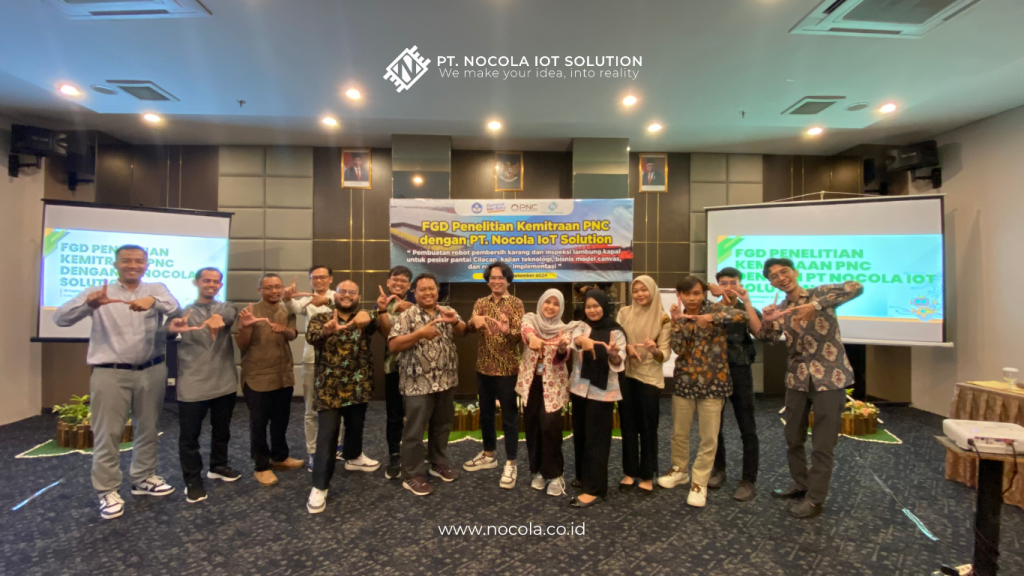
In the era of Industry 4.0, educational institutions and industry must collaborate closely. Technological innovations are advancing rapidly, and this partnership is essential for creating efficient solutions to real-world problems. A clear example of this is the collaboration between Politeknik Negeri Cilacap and PT Nocola IoT Solution to develop a ship hull cleaning robot. During a focus group discussion (FGD), both parties discussed building a technological solution to address barnacle buildup on ships, which often decreases operational performance and increases maintenance costs.
This article will cover the functions and features of the ship hull cleaning robot being developed, as well as explain why collaboration between education and industry is crucial for creating innovative solutions in the modern era.
Read More: Indosat Ooredoo and PT Nocola IoT Solution: Collaboration for Trash Vending in Semarang
Ships operating at sea often accumulate barnacles and other marine organisms on their hulls. This buildup causes several serious problems:
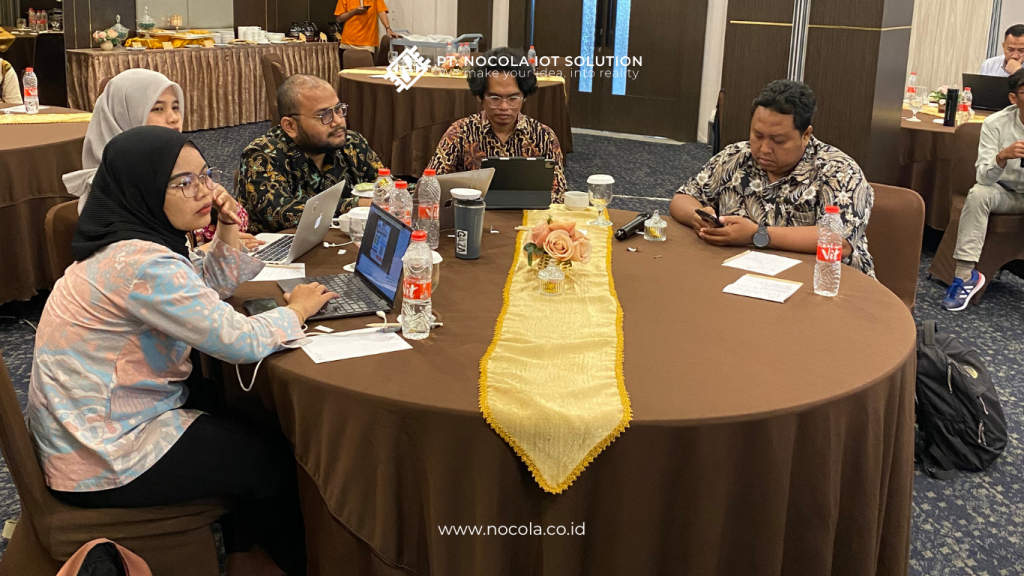
In the FGD, participants focused on developing a robot that automatically cleans barnacles from the ship’s hull. This robot offers several key functions for efficient cleaning and maintenance.
The robot operates autonomously, eliminating the need for human intervention. It uses integrated AI and sensors to detect areas that require cleaning and performs the task independently, reducing time and costs associated with traditional ship maintenance.
Equipped with ultrasonic sensors and underwater cameras, the robot identifies heavily infested areas and focuses on cleaning them first.
The robot’s energy-efficient design allows it to run for hours without needing frequent recharges. The ship’s automatic charging system supports the robot, ensuring it remains operational during long maintenance sessions.
Thanks to PT Nocola IoT Solution’s expertise, the robot features IoT technology, enabling remote monitoring and control. Ship operators can check the robot’s status, see how much barnacle buildup it has removed, and start additional cleaning when necessary.
Read More: CEMS Nocola: Reducing Emissions with Continuous Emission Monitoring
Technological innovation in this robot offers several standout features:
Since the robot operates in seawater, it must withstand corrosion. Therefore, it is built from composite materials and corrosion-resistant metals, making it durable even with regular exposure to harsh marine conditions.
GPS and sonar sensors allow the robot to navigate precisely underwater. It moves smoothly around the ship’s hull, avoiding obstacles and targeting the most heavily barnacle-infested areas.
The robot uses high-speed brushes to clean barnacles without damaging the ship’s hull. These brushes are strong yet flexible, capable of removing even the toughest barnacles.
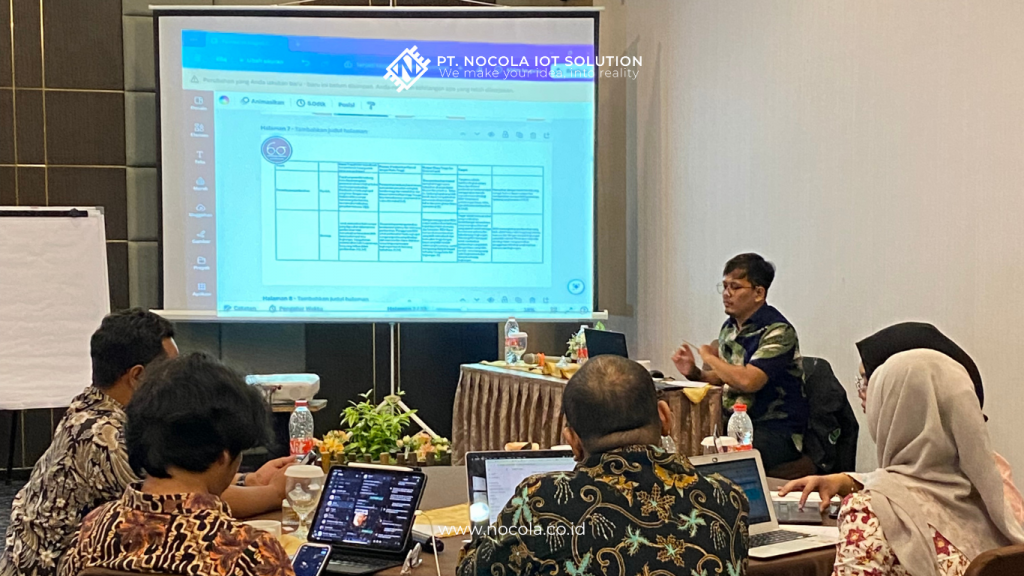
The partnership between Politeknik Negeri Cilacap and PT Nocola IoT Solution highlights the importance of academia-industry collaboration in solving real-world problems. Their combined knowledge and expertise lead to more effective solutions.
This collaboration allows for faster technological development. Students and faculty bring fresh insights and academic research, which accelerates innovation.
Students from Politeknik Negeri Cilacap gain valuable hands-on experience by participating in industry projects. They work on real-world problems and develop solutions with direct impacts.
For PT Nocola IoT Solution, this partnership opens new business opportunities. By developing the ship hull cleaning robot, the company can expand its product line and offer innovative solutions to the global maritime market.
The collaboration between Politeknik Negeri Cilacap and PT Nocola IoT Solution demonstrates the importance of industry-academia partnerships in tackling real-world challenges. The development of the ship hull cleaning robot offers an innovative solution to improve ship performance and reduce maintenance costs. With its autonomous operation, IoT connectivity, and energy efficiency, this robot is set to revolutionize ship maintenance practices worldwide.