Physical Address
304 North Cardinal St.
Dorchester Center, MA 02124
Physical Address
304 North Cardinal St.
Dorchester Center, MA 02124
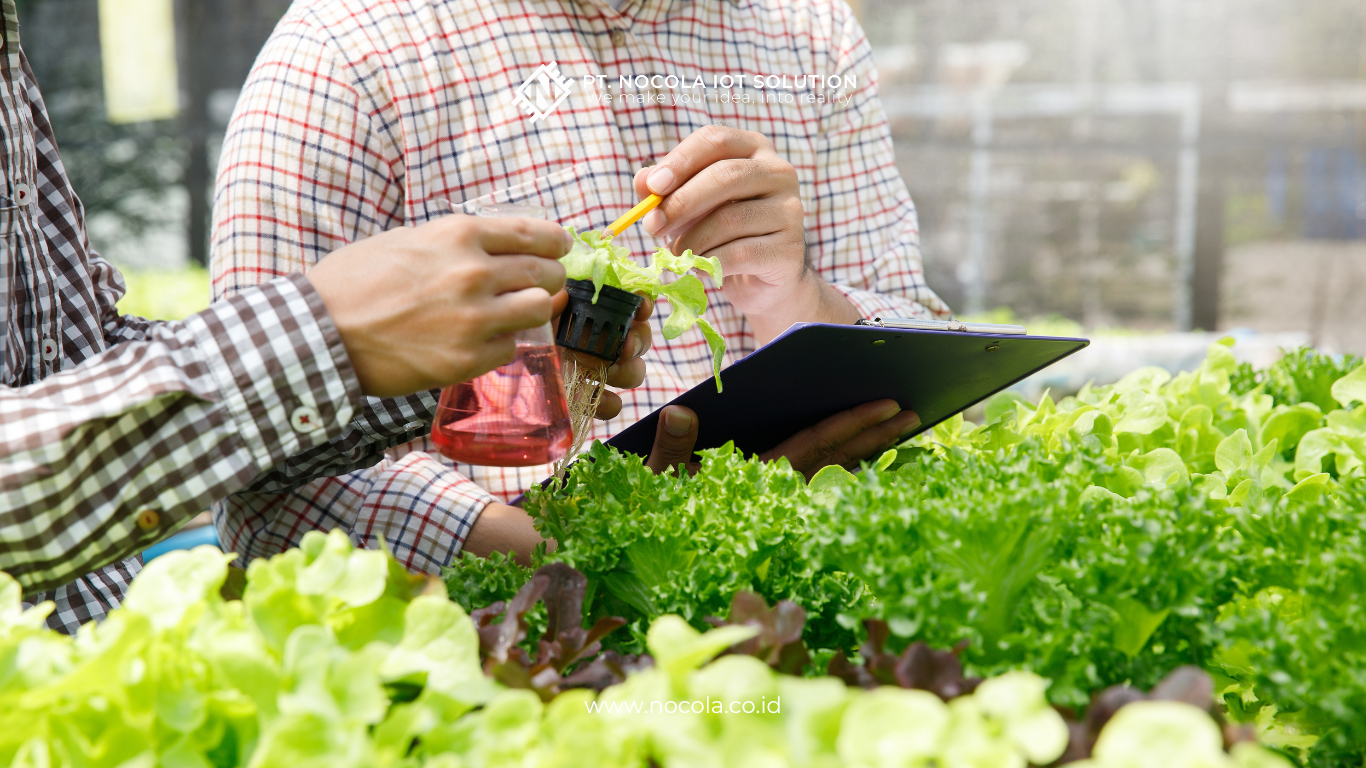
In today’s modern technological era, the agricultural sector is undergoing a major revolution. Traditional farming methods are transitioning to smart solutions that leverage the Internet of Things (IoT) and real-time data analytics. One company at the forefront of this innovation is Nocola IoT Solutions. With its smart agriculture solutions, Nocola helps farmers increase crop yields, optimize efficiency, and reduce waste. This article will explore how Nocola’s smart agriculture solutions harness IoT technology and real-time data to drive significant change in the agricultural sector.
Read More: Nocola IoT Solutions for Smart Agriculture: Monitoring and Managing Resources with Latest Technology
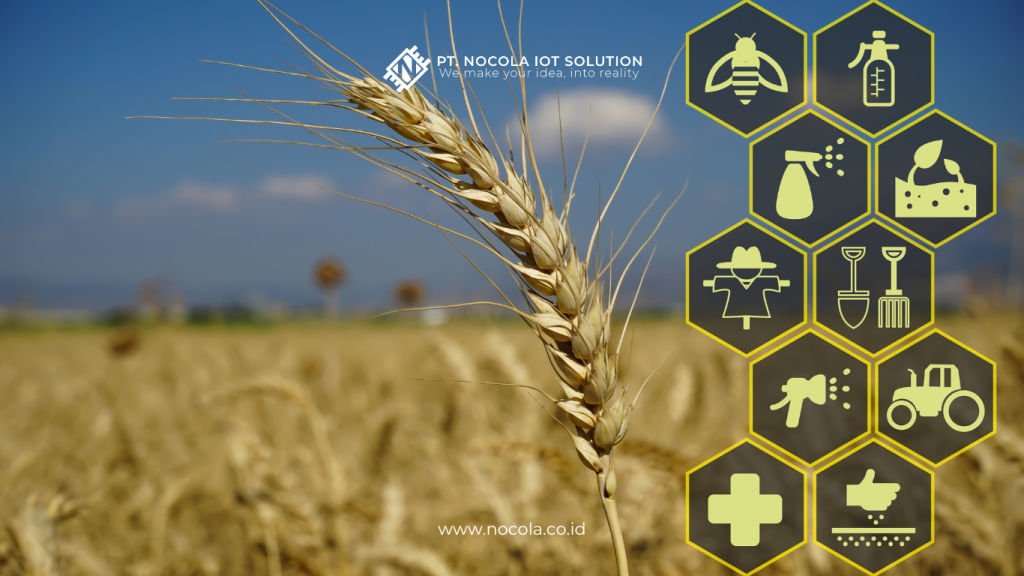
Smart agriculture refers to the application of modern technology to enhance agricultural productivity. The technologies used include IoT, sensors, artificial intelligence (AI), and real-time data to gather information from the agricultural environment, such as soil moisture, temperature, air humidity, and soil nutrients. This data is then analyzed to provide recommendations that help farmers make better decisions in managing their land.
With smart agriculture, farming becomes more efficient and accurate. Farmers no longer have to rely solely on estimates or experience, as they can access data-driven insights to maximize crop yields.
Read More:Advanced Agricultural Technology: Increasing Food Production with Smart Farming
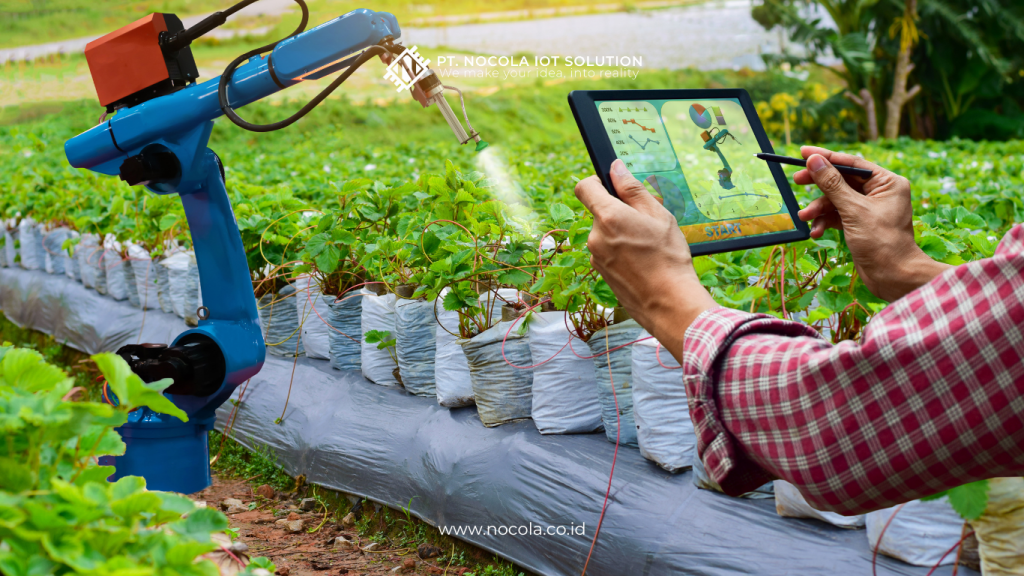
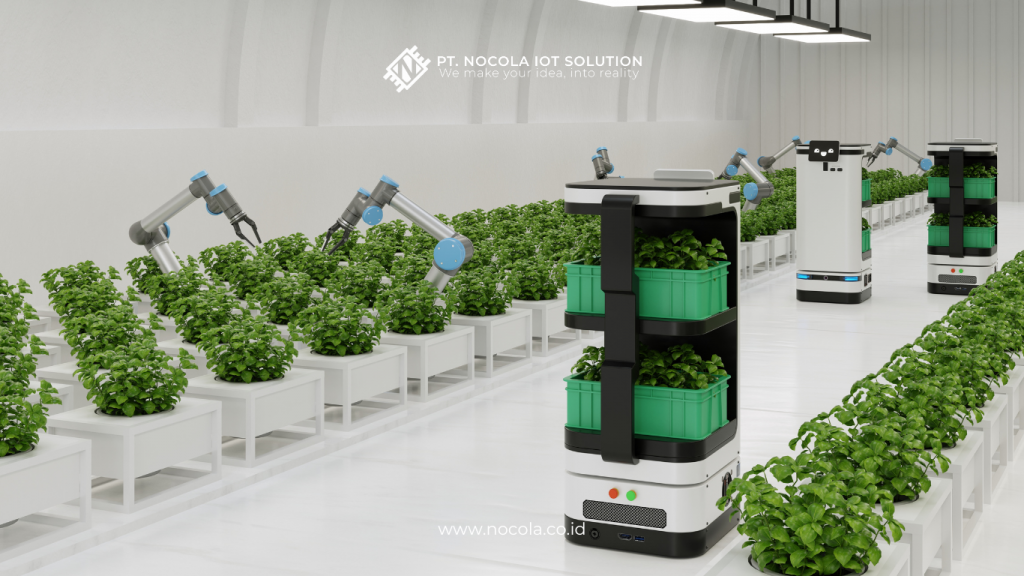
IoT is at the core of Nocola’s smart agriculture solutions. By connecting various devices and sensors, IoT enables the automatic and real-time collection of data. Here are some IoT technologies integrated into Nocola’s agricultural solutions:
Read More: Digitalization in Agriculture: From Management Systems to Automation
One of the key components of smart agriculture is the use of real-time data. Real-time data enables farmers to make quick and informed decisions based on current field conditions. Some key benefits of real-time data in agriculture include:

Read More: The Innovation Behind Nocola’s Fluxbox and Fluxgateway: Connecting IoT for a Smarter World
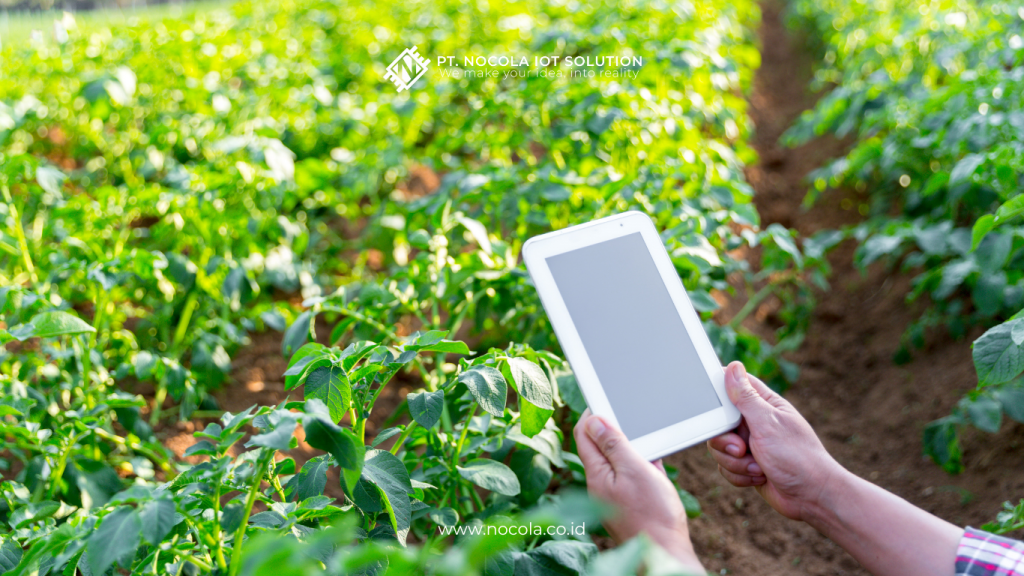
One of Nocola’s flagship products in smart agriculture solutions is Nocola Flux. Flux is an IoT platform that integrates various sensors and devices to provide comprehensive information to farmers. Some key features of Nocola Flux for agriculture include:
With Flux, Nocola provides a complete solution for farmers to manage their agriculture more efficiently and intelligently.
Read More: Facing the Industrial Future with Integrated IoT Solutions from Nocola
Nocola Smart Agriculture Solutions can be applied across various agricultural sectors, from food crops to horticulture and livestock farming. Some examples of its implementation include:
Rice Farming: In paddy fields, Nocola’s solutions help farmers monitor soil moisture and irrigation water levels. With accurate data, water usage becomes more efficient, and crop productivity increases.
Fruit Plantations: In fruit plantations, Nocola provides temperature and humidity monitoring systems that help keep fruit plants in optimal condition.
Livestock Farming: Nocola’s IoT solutions extend beyond plants, offering tools for livestock farming, such as health monitoring systems, automated feed management, and GPS-based livestock tracking systems.
Nocola Smart Agriculture Solutions have proven that technology can be a vital partner in optimizing agricultural output. By utilizing IoT and real-time data, farmers can manage their land more efficiently, increase productivity, and reduce waste. From automated irrigation systems to crop monitoring via drones, Nocola’s smart agriculture solutions have a significant positive impact, benefiting both farmers and food security.