Physical Address
304 North Cardinal St.
Dorchester Center, MA 02124
Physical Address
304 North Cardinal St.
Dorchester Center, MA 02124
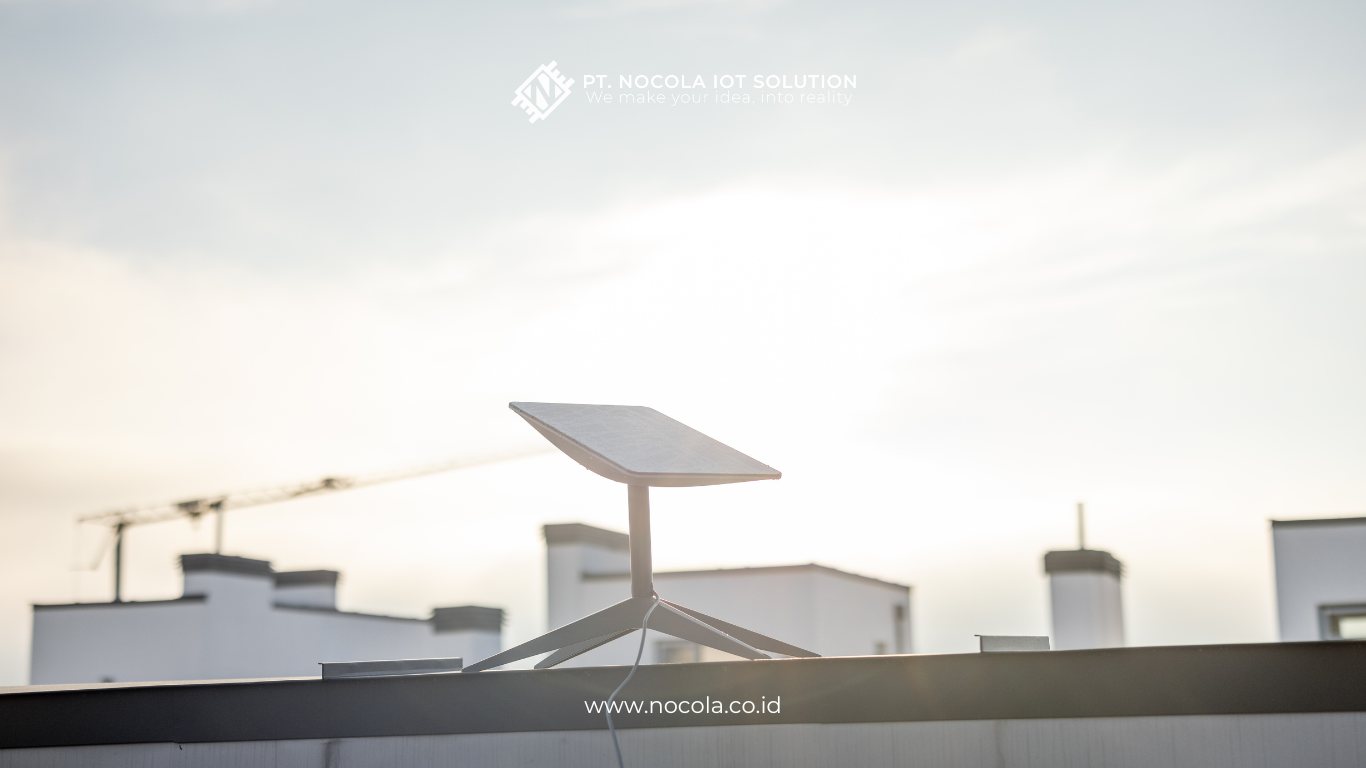
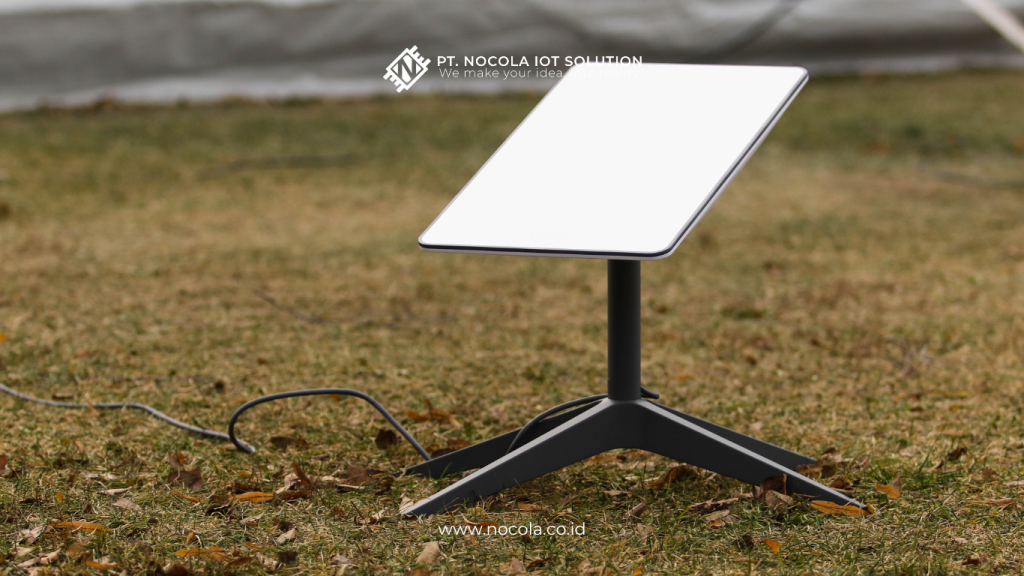
Natural disasters are unpredictable phenomena that can have significant impacts on society. In Indonesia, which is located along the Pacific Ring of Fire, the risk of natural disasters such as earthquakes, tsunamis, and floods is very high. Therefore, preventive measures are necessary to minimize casualties and material losses. In this regard, two key initiatives introduced by the government through the Ministry of Communication and Information (Kominfo) are the Digital Public Information System (DPIS) and the Early Warning System (EWS) for Digital TV. This article will discuss both systems and how they contribute to reducing the risks associated with natural disasters.
Read More: Implementation of River Height Monitoring with fluxEWS in a Residential Area in South Tangerang
The Digital Public Information System (DPIS) is an information system designed to manage and distribute public information digitally. DPIS functions as an information hub that collects data from various sources, including local governments, related agencies, and the public. The primary goal of DPIS is to provide the public with fast and accurate access to disaster and emergency situation information.
Read More: Utilizing Fluxtrack from Nocola in the Supply Chain: Enhancing Transparency and Logistics Efficiency
The Early Warning System (EWS) for Digital TV is a system used to provide early warnings about disasters through digital television channels. EWS for Digital TV is designed to quickly and effectively disseminate important information to the public, especially in disaster-prone areas.

Read More: Nocola Flux: IoT Solutions for a More Connected and Efficient Smart City
The integration of DPIS and EWS for Digital TV is a strategic step in efforts to minimize casualties from natural disasters. Both systems complement each other in terms of collecting, processing, and distributing information. For instance, when DPIS collects data on potential disasters, that information can be immediately disseminated through EWS for Digital TV. This way, the public receives fast and accurate information, allowing them to take preventive measures.
For example, during an earthquake, DPIS can detect early warnings from various installed sensors. After receiving this information, DPIS can quickly inform the public through EWS for Digital TV to evacuate or take self-protection measures.
Read More: Digitalization of Mangrove Conservation with Nocola, Indosat, and Undip
Although DPIS and EWS for Digital TV have great potential, their implementation is not without challenges. One of the main challenges is the uneven technical infrastructure across Indonesia. In remote areas, access to digital technology and a stable internet network remains an issue.
Another challenge is public education and awareness of the importance of disaster information. The public needs to understand how to use these systems and access the available information.
Read More: Building an IoT Ecosystem with Nocola’s Fluxcloud: Managing IoT Data on a Large Scale
The government, through Kominfo, plays a crucial role in providing policy support to strengthen DPIS and EWS for Digital TV systems. This policy includes budget allocation, infrastructure development, and capacity building for human resources in managing disaster information.
Additionally, the government collaborates with various parties, including non-governmental organizations (NGOs), academics, and civil society, to enhance the effectiveness of these systems. This collaboration is essential to create a responsive and adaptive system that meets the public’s needs.
DPIS and EWS for Digital TV are two initiatives that demonstrate the Indonesian government’s commitment to minimizing casualties from natural disasters. By providing quick and accurate access to information, these systems help the public be better prepared to face disasters. Although there are challenges in their implementation, support from the government and collaboration with various parties will be key to maximizing the potential of DPIS and EWS for Digital TV. With these steps, it is hoped that the number of casualties and damage caused by disasters will be reduced.