Access Control: Definition, Benefits and Latest Technology for Modern Security

In the increasingly advanced digital era, security has become a top priority for many organizations, both large and small. One solution that is gaining popularity is access control. Access control isn’t just limited to physical security, such as securing doors or gates; it also extends to digital security, like controlling access to data and systems. This article will provide a comprehensive discussion about the definition of access control, its benefits, and the latest technologies used to ensure maximum security in various environments.


What is Access Control?

Access Control

Read More: Integration of Nocola IoT Solutions with ERP Systems: Improving Efficiency and Decision Making

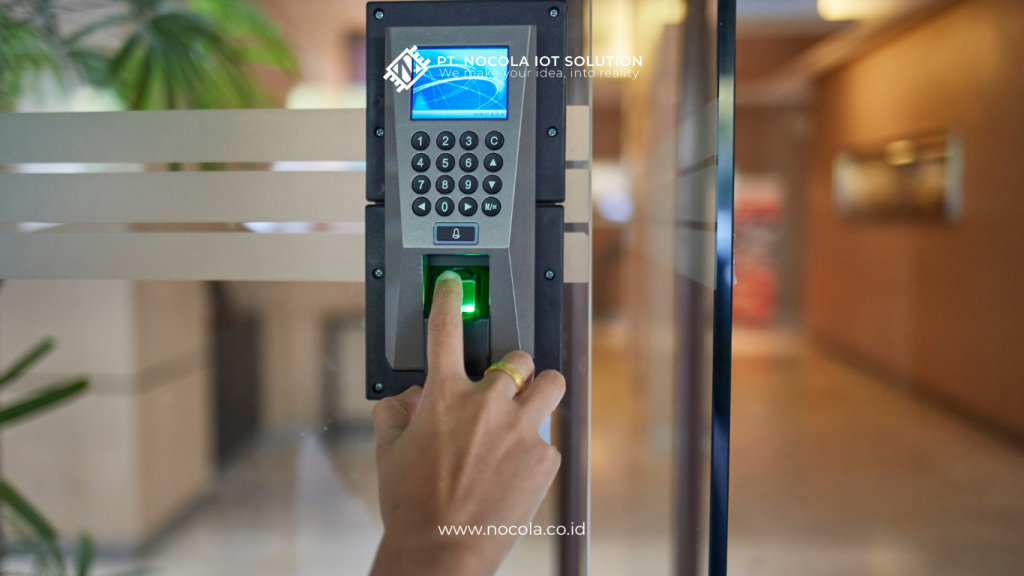
Access control is a system used to limit access to specific areas, resources, or information only to individuals or entities with permission. In the context of physical security, access control involves the use of cards, biometrics, or pin codes to unlock doors or gates. Meanwhile, in the context of digital security, access control regulates who can access specific systems, applications, or files on a network.

Access control systems are built on the principle of “who can access what, when, and how.” This setup is usually done through various authentication and authorization methods, where users must undergo a verification process before being granted access.


Types of Access Control

Access Control Types

Read More: Building an IoT Ecosystem with Fluxcloud from Nocola: Managing IoT Data at Scale

Access control can be divided into several main types based on its methods and approaches. Below are some of the most commonly used types:
  1. Role-Based Access Control (RBAC) Role-Based Access Control (RBAC) is the most commonly used access control type in modern organizations. In this system, access is granted based on the user’s role. For instance, a manager may have more access to data and systems than a regular staff member. RBAC is highly flexible and efficient, as it allows administrators to manage access rights based on workgroups rather than individuals.
  2. Attribute-Based Access Control (ABAC) Attribute-Based Access Control (ABAC) grants access based on specific attributes such as position, location, time of access, or even the device being used. ABAC provides an additional security layer by combining various factors to determine who is allowed to access something.
  3. Identity-Based Access Control (IBAC) In this system, access is granted based on the user’s identity. Users are uniquely identified through credentials such as usernames and passwords. Identity-based access control is typically used in smaller or simpler environments.
  4. Multilevel Access Control This system is used in environments that require very strict security controls, such as military or government institutions. Every individual in the organization has a certain level of access, and access to more sensitive information is only granted to those at the appropriate level.

Benefits of Implementing Access Control

Access Control Benefits

Read More: Integrating AI and IoT with Flux from Nocola: The Future of Automated Manufacturing

Using the right access control system offers numerous important benefits for organizations, both in terms of security, efficiency, and operations. Some of them include:

  1. Enhanced Security The primary benefit of access control is improving security both physically and digitally. By restricting access to certain areas or systems, organizations can protect critical assets, sensitive data, and prevent unauthorized access.
  2. Simplified Access Management With an access control system, managing access for individuals within the organization becomes more straightforward and structured. Administrators can quickly add or revoke access for specific users based on their role or status changes within the company.
  3. Improved Auditing and Monitoring Access control allows organizations to audit and monitor access. Each time someone accesses a particular system or area, a digital or physical footprint can be recorded and retrieved later. This is crucial for investigations if a security breach occurs.
  4. Increased Compliance Many industries are regulated by strict data security and access regulations, such as the healthcare sector (HIPAA) or finance (PCI-DSS). Access control helps organizations meet these regulatory requirements by providing strict and auditable controls.
  5. Reduced Risk of Internal Damage Security threats are not always external; sometimes, they come from within the organization, whether intentional or unintentional. By implementing access control, the risk of damage or data leakage caused by employees can be reduced, as access is limited only to those who have the authority.

The Latest Technology in Access Control

Access Control Technology

Read More: The Innovation Behind Nocola’s Fluxbox and Fluxgateway: Connecting IoT for a Smarter World

In recent years, access control technology has rapidly evolved. Modern access control systems leverage various technological innovations to provide more advanced and efficient security. Here are some of the latest technologies that are becoming increasingly popular:

  1. Biometrics Biometric technologies, such as facial recognition, fingerprints, and retina scans, are increasingly used in modern access control. Biometrics offer a higher level of security compared to cards or codes, as they are difficult to fake or share.
  2. Mobile Access With the increasing use of mobile devices, many access control systems now allow users to open doors or access systems through their smartphones. This not only simplifies user access but also reduces the risk of lost or counterfeit physical cards.
  3. Cloud-Based Access Control Cloud-based access control systems provide higher flexibility and scalability, especially for companies with multiple locations or branches. With cloud-based access control, administrators can manage access remotely, update permissions, and view access logs anytime and anywhere.
  4. AI and Machine Learning Artificial Intelligence (AI) and machine learning are starting to be applied in access control systems to detect anomalous behavior. With advanced analytics, systems can detect suspicious activity and provide real-time alerts before a security breach occurs.
  1. Internet of Things (IoT)

IoT technology enables access control devices to connect and communicate with each other, creating a more integrated security ecosystem. For example, automatic doors, surveillance cameras, and alarm systems can be integrated into a single platform to monitor security more efficiently.

Challenges in Access Control Implementation

Read More: Nocola Flux: Solusi IoT untuk Smart City yang Lebih Terhubung dan Efisien

Although access control technology offers many benefits, there are several challenges to consider during its implementation:

  1. Implementation Costs

The cost of installing and maintaining advanced access control systems can be a challenge for organizations, especially smaller ones. Technologies like biometrics and cloud-based access control often require a significant initial investment.

  1. Integration with Legacy Systems

Many companies still use outdated security systems that are incompatible with the latest technologies. Integrating modern access control with existing infrastructure can be time-consuming and add extra costs.

  1. Updates and Maintenance

Access control systems need to be continuously updated to ensure maximum security. Software updates and hardware maintenance require skilled professionals and come with operational costs.

Conclusion

Access control is an essential solution for safeguarding physical and digital security in the modern era. With various types of access control, such as role-based, attribute-based, and identity-based, organizations can manage access according to their needs. The benefits are clear, from enhancing security to simplifying access management and audits. Cutting-edge technologies like biometrics, cloud-based access control, and AI further strengthen these systems by providing more sophisticated and efficient security.

Although there are challenges in implementing access control, the long-term benefits are substantial. Using the right access control system is a strategic step for organizations to protect their valuable assets and ensure safe and efficient operations.
Leave a Reply

Your email address will not be published. Required fields are marked *

×

Talk with our support

× Hi. there