Physical Address
304 North Cardinal St.
Dorchester Center, MA 02124
Physical Address
304 North Cardinal St.
Dorchester Center, MA 02124

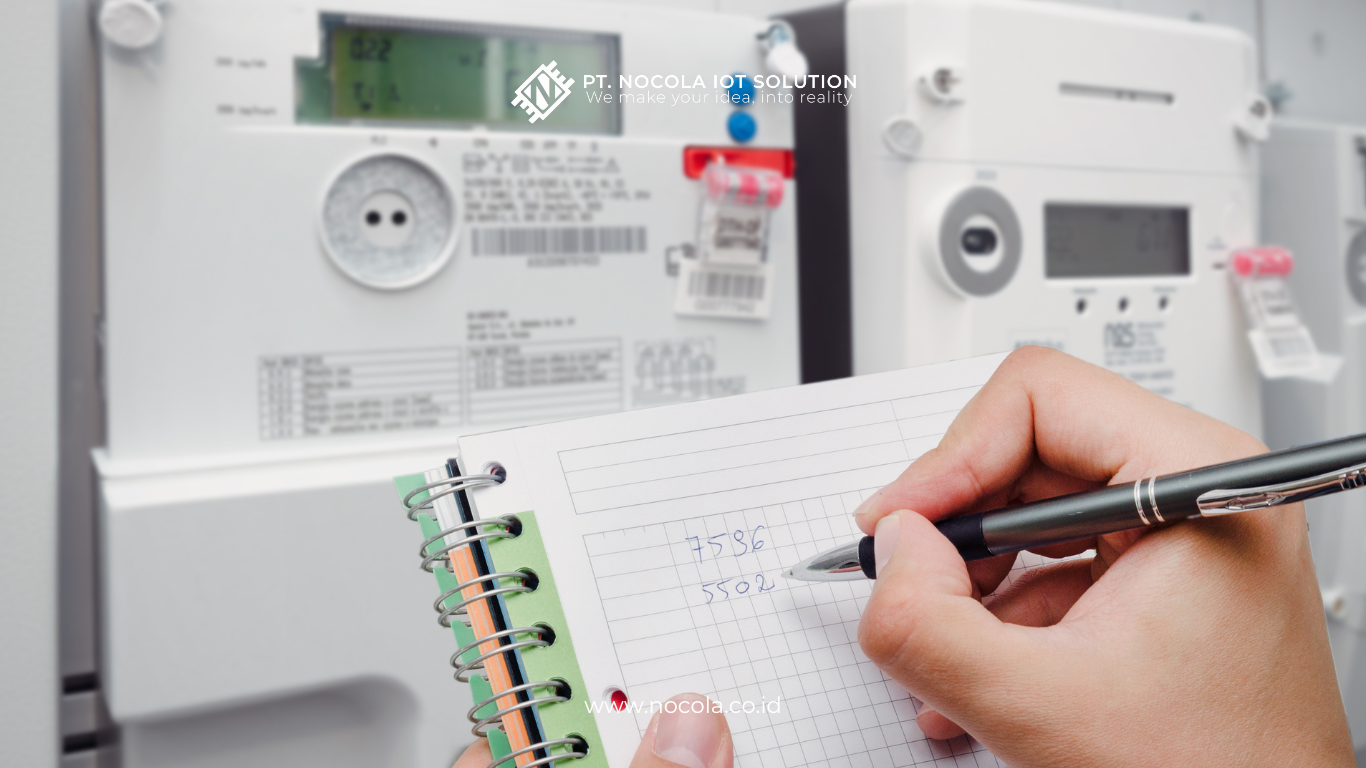
In the modern era where technology is increasingly relied upon, the demand for electrical energy is rising across various industrial sectors and households. Inefficient power usage not only leads to high operational costs but also contributes to environmental issues, such as increased carbon emissions. Therefore, power usage monitoring has become a critical solution to optimize energy consumption and reduce wastage.
This article will delve into the importance of power usage monitoring, how these systems work, their benefits for businesses, and the latest technologies used to monitor energy consumption in real-time. By implementing these solutions, companies and households can increase energy efficiency and reduce environmental impacts.
Read More: How Nocola Helps the Energy Industry Monitor Carbon Emissions with CEMS Technology
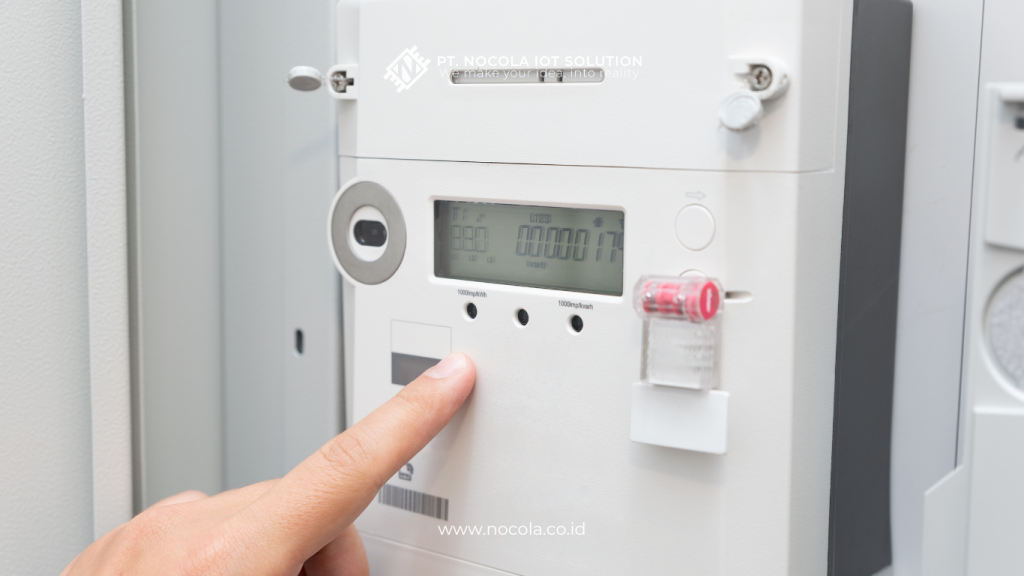
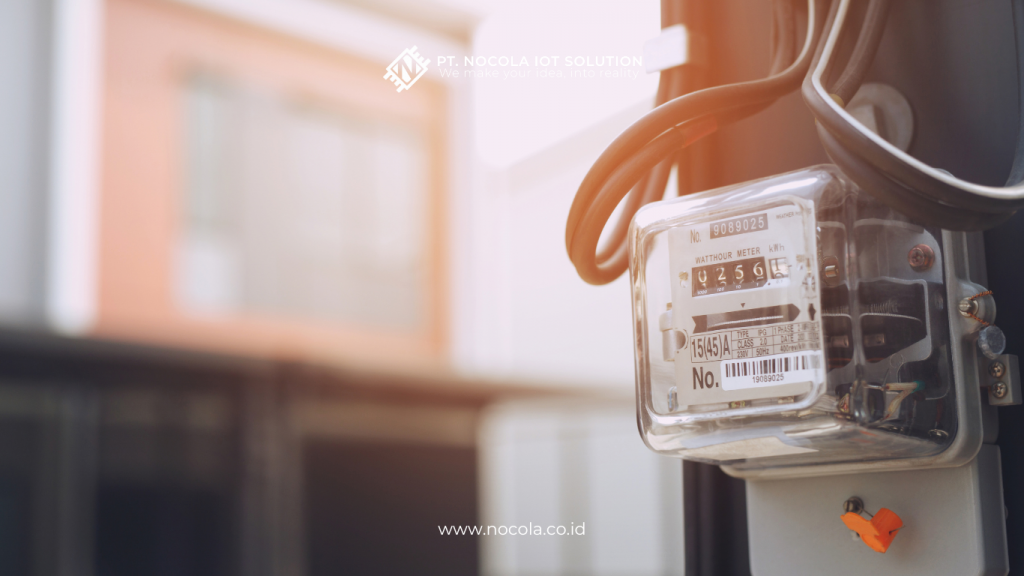
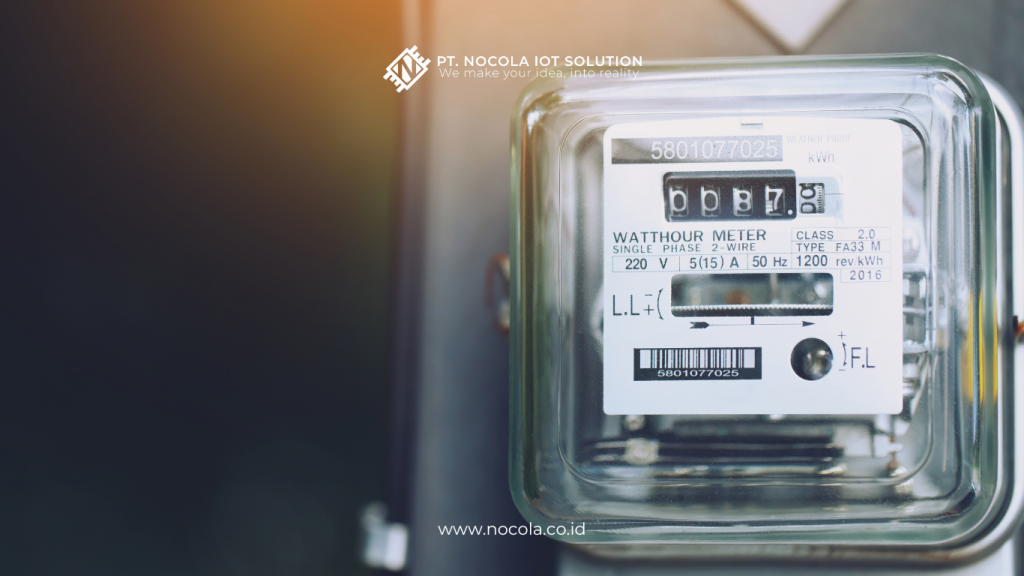
Power usage monitoring is the process of measuring, tracking, and analyzing the electrical energy consumed by a device, system, or entire facility. This process is carried out through the use of tools or systems capable of real-time monitoring of electricity usage. The goal is to provide insights into energy consumption patterns, identify wastage, and enable users to take appropriate action to optimize power usage.
Read More: Technological Innovation in Power Generation: From Renewable Energy to Advanced Technology
A power usage monitoring system typically consists of hardware and software that work in tandem. Here are the key components of a power usage monitoring system:
Read More: Renewable Energy: A Solution to Reduce Dependence on Fossil Fuels
Implementing a power usage monitoring system offers numerous benefits for both businesses and households. Here are some key advantages:
Power usage monitoring enables companies to identify areas where energy is being used excessively or inefficiently. With accurate data, companies can reduce energy consumption in these areas, lowering overall operational costs. In the long term, these savings can have a significant impact on a company’s profits.
With a system that continuously monitors power usage, companies can optimize energy consumption across various business processes. For example, unused machines can be automatically turned off, or inefficient processes can be adjusted to reduce energy consumption.
One of the main benefits of power usage monitoring is the ability to detect energy waste. Malfunctioning devices or systems running inefficiently are often sources of energy wastage. With proper monitoring, these issues can be identified early and addressed before causing further losses.
Companies implementing power usage monitoring systems also support environmental sustainability efforts. By reducing unnecessary energy consumption, companies can reduce their carbon footprint and contribute to environmental preservation.
In many countries, strict regulations have been implemented to reduce energy consumption and carbon emissions. With power usage monitoring, companies can ensure they comply with these regulations and avoid fines or penalties.
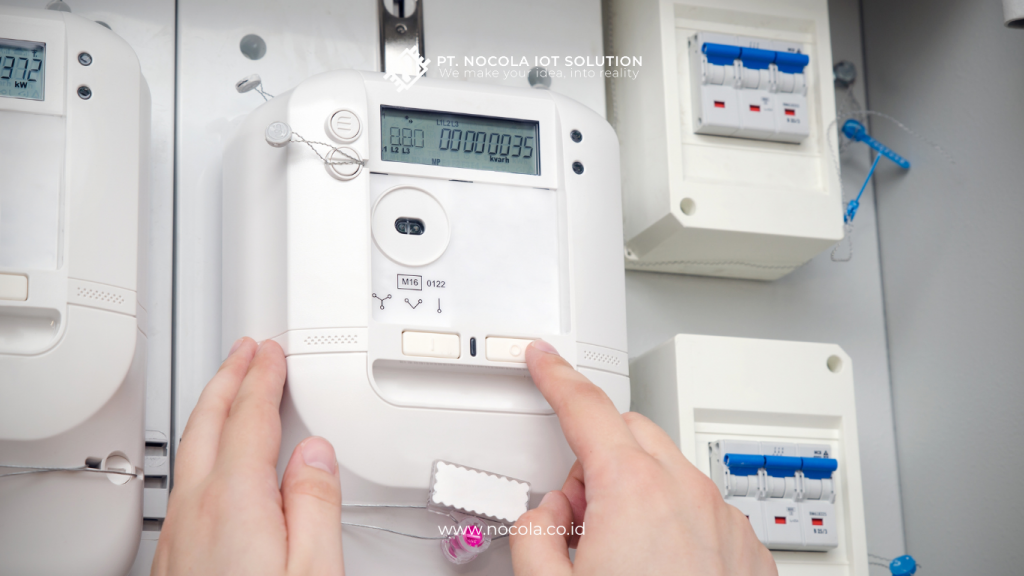
Power usage monitoring technology continues to evolve with advances in the Internet of Things (IoT) and artificial intelligence (AI). Here are some of the latest technologies used in power usage monitoring systems:
IoT has transformed the way we monitor and manage power usage. With sensors connected through networks, monitoring systems can collect data from various devices in real-time, allowing closer monitoring and faster action if anomalies occur in energy consumption.
Cloud-based power usage monitoring systems allow users to access energy consumption data from anywhere. This enables businesses to control and optimize energy consumption remotely.
Artificial intelligence (AI) and machine learning are increasingly being used in power usage monitoring systems to analyze consumption patterns and predict future needs. These technologies help companies make smarter decisions in energy management.
Power usage monitoring has become an essential solution for businesses and households looking to reduce energy consumption and improve efficiency. By implementing these systems, companies can save on operational costs, increase energy efficiency, detect waste, and support environmental sustainability. Additionally, with the advancement of IoT, AI, and cloud-based technologies, power usage monitoring systems are becoming more accurate and accessible, allowing users to control and optimize energy consumption in real time.