Physical Address
304 North Cardinal St.
Dorchester Center, MA 02124
Physical Address
304 North Cardinal St.
Dorchester Center, MA 02124

In the world of agriculture, pests are one of the biggest threats that can significantly reduce crop yields. To tackle this issue, farmers have relied on various pest control methods for centuries. However, with advancements in technology, particularly in the field of the Internet of Things (IoT), pest control solutions have undergone significant transformation. IoT-based pest controllers offer a more effective and efficient approach and support sustainable farming practices. In this article, we will delve deeply into IoT-based pest controllers, how they work, their benefits, and the challenges faced in their implementation.
Read More: Integration of Nocola IoT Solutions with ERP Systems: Improving Efficiency and Decision Making
IoT-based pest controllers are systems that use IoT devices to monitor and control pests in agricultural fields. These systems collect data from various sensors installed in the agricultural location, analyze the data, and provide farmers with information about pest conditions in the field. Thus, farmers can take appropriate and timely actions to address pest issues before they damage the crops.

Read More: Building an IoT Ecosystem with Fluxcloud from Nocola: Managing IoT Data at Scale
IoT-based pest control systems operate through the following steps:
Read More: The Innovation Behind Nocola’s Fluxbox and Fluxgateway: Connecting IoT for a Smarter World
IoT-based pest controllers offer several significant benefits, including:
With advanced monitoring systems, farmers can apply pesticides at the right time and in the right dosage. This not only reduces the amount of pesticide used but also minimizes negative environmental impacts.
By enabling early detection and rapid action against pests, farmers can protect their crops from more severe damage, significantly increasing their yields.
By utilizing IoT technology, farmers can reduce operational costs related to pest control. More efficient pesticide use and reduced crop loss directly impact the profitability of farming operations.
IoT-based pest controllers support more sustainable farming practices. By reducing pesticide use and minimizing negative impacts on ecosystems, farming can become more environmentally friendly.
This system allows farmers to access data in real-time, enabling them to make quicker and more informed decisions. Additionally, historical data analysis can help farmers plan long-term strategies to combat pests.
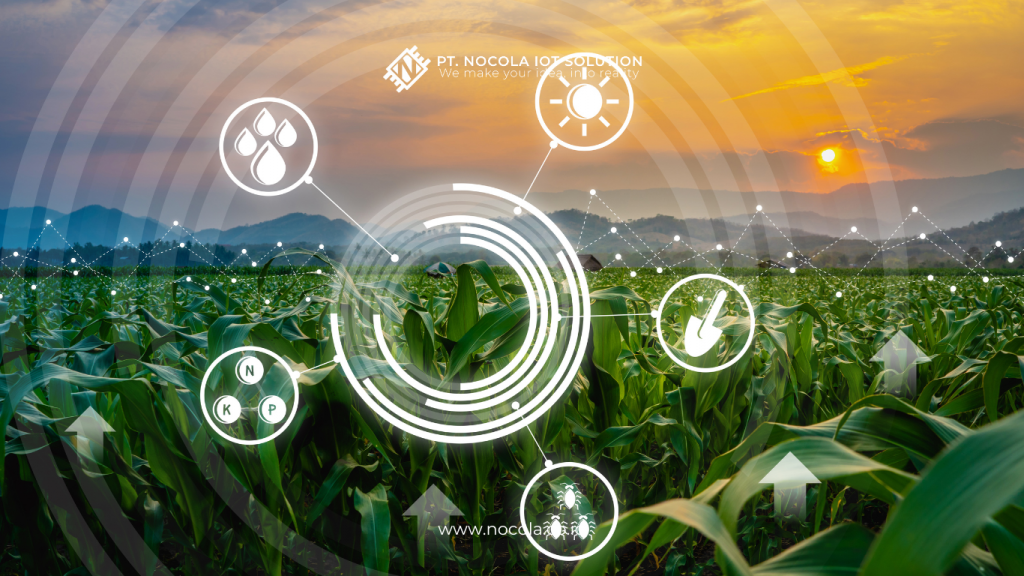
In the agricultural sector, IoT-based pest controllers have been widely used to enhance efficiency and productivity. With sensors installed in the fields, farmers can monitor crop conditions and receive notifications when there are signs of pest attacks.
Pest control is also crucial in plantation sectors, such as palm oil and coffee. IoT systems can assist plantation owners in detecting pests and diseases that threaten their yields.
This sector is highly vulnerable to pest attacks, and the use of IoT technology can help vegetable and fruit farmers control pests more effectively. With accurate data, they can take the right preventive measures.
IoT-based pest control is an innovative solution that addresses the challenges of pest management in modern agriculture. With significant benefits such as efficient pesticide use, increased crop yields, and environmental sustainability, this technology offers a new way for farmers to tackle pest problems. Although there are challenges in its implementation, with the right support and education, IoT-based pest control can become a valuable tool in creating a more productive and sustainable agriculture in the future.