Physical Address
304 North Cardinal St.
Dorchester Center, MA 02124
Physical Address
304 North Cardinal St.
Dorchester Center, MA 02124
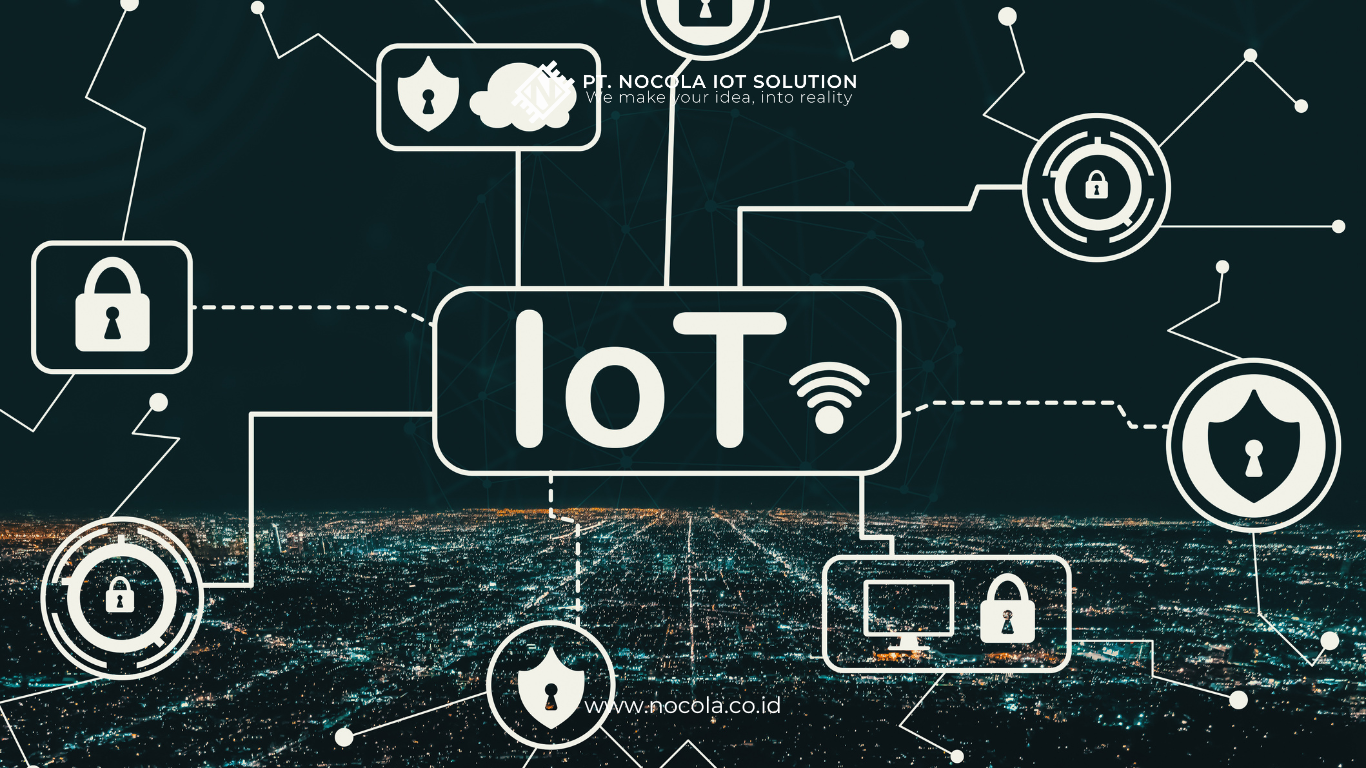
In the digital era, the Internet of Things (IoT) has become crucial for various industries. IoT enables devices to connect and exchange data in real-time, supporting data-driven decision-making and enhancing operational efficiency. In this context, Flux by Nocola serves as an integrated IoT solution to simplify device management and monitoring. This article explores the use of Flux by Nocola in managing IoT devices, its benefits, and how this technology provides superior solutions for companies.
Read More: IoT in Transportation: Increasing Efficiency and Safety
Flux by Nocola is an IoT platform that includes key components such as Fluxbox, Fluxgateway, Fluxdashboard, Fluxcloud, Fluxconnect, and Fluxtrack. Each component plays a specific role in ensuring that IoT devices can be connected, managed, and optimized easily. Overall, Flux is designed to meet user needs in controlling and monitoring IoT devices, whether on a small scale like smart homes or on a larger scale like industrial facilities.
Read More: Getting to Know the Internet of Things (IoT): Its Impact on Daily Life
Read More: IoT Based Pest Control: A Modern Solution for Sustainable Agriculture
Flux enables users to manage all IoT devices through a single integrated platform. The Fluxdashboard makes it easier for users to monitor device status, check conditions, and quickly identify potential issues.
Flux allows users to access real-time data from managed IoT devices. This is crucial for industries that need up-to-date data for timely decision-making, such as manufacturing and logistics.
Fluxgateway and Fluxcloud are designed with high security standards to protect transmitted and stored data. With advanced encryption and security protocols, Flux ensures company data remains safe from external threats.
Flux can be easily adapted to company needs. Whether on a small or large scale, Flux allows for the quick addition of new devices without needing to change existing infrastructure.
Fluxbox and Fluxgateway are designed to use energy efficiently, which is crucial for IoT devices requiring long battery life, helping companies reduce operational costs in device management.

Read More: Nocola Smart Agriculture Solutions: Mengoptimalkan Hasil Pertanian dengan IoT dan Data Real-Time
In manufacturing, Flux enables the integrated management of machinery and equipment. With real-time data, operators can identify potential disruptions before they affect production, helping companies improve productivity and reduce downtime.
In agriculture, Flux is used to monitor soil and weather conditions. By connecting IoT sensors via Fluxbox, farmers can receive information on soil moisture, temperature, and crop conditions, helping with more accurate planting, irrigation, and harvesting.
In the transportation industry, Fluxtrack assists with real-time fleet tracking. Users can monitor vehicle location, fuel efficiency, and vehicle conditions, helping logistics companies improve fleet management and ensure timely deliveries.
In healthcare, Flux is used to monitor medical devices, such as health monitors and patient tracking devices, enabling healthcare providers to monitor patients continuously without being physically present.
Using Flux by Nocola for IoT device management offers an innovative solution for companies seeking to enhance operational efficiency, reduce costs, and obtain real-time data for decision-making. With advanced features like Fluxbox, Fluxgateway, and Fluxdashboard, Flux enables easier, safer, and more efficient IoT device management.
In this digital era, IoT device management is a key factor in business competitiveness. Flux provides an integrated solution that helps companies from various industries optimize device performance. Thus, adopting Flux for IoT device management is a strategic step for companies wanting to adapt to current technological developments.