Physical Address
304 North Cardinal St.
Dorchester Center, MA 02124
Physical Address
304 North Cardinal St.
Dorchester Center, MA 02124

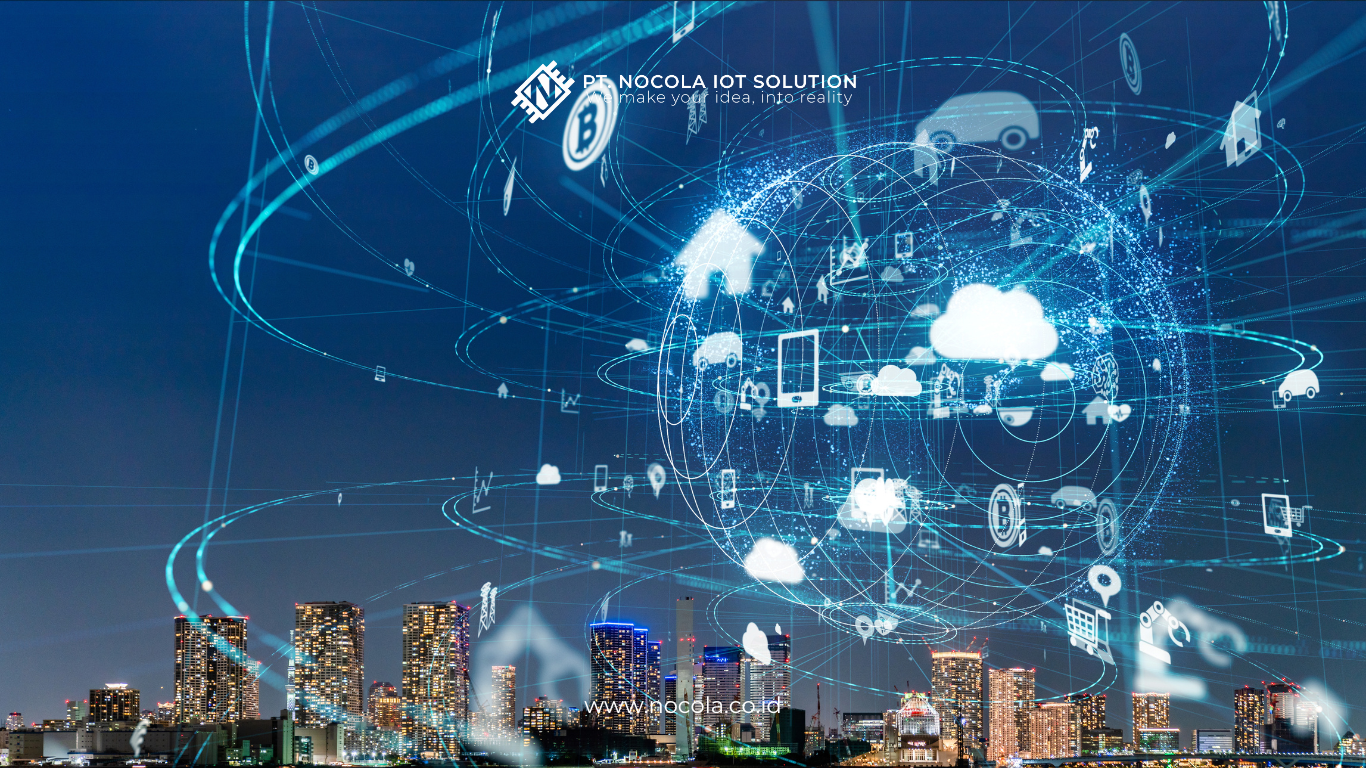
Smart home technology has become an increasingly popular trend in recent years. Various automated devices and systems allow homeowners to control many aspects of their daily lives remotely. From smart lighting to advanced security systems, smart home technology offers intelligent solutions that enhance comfort, security, and energy efficiency. This article will discuss the benefits of smart home technology, various types of smart devices available, and the future of smart home technology.

Read More: Smart Home Technology: The Future of Smart Homes
Smart home technology refers to a collection of devices and systems that connect to the internet or a local network, allowing homeowners to control and monitor various aspects of their homes automatically or through a smartphone app. These devices cover various categories, such as lighting, security, temperature control, and more. Smart homes offer convenience and flexibility that is hard to find with traditional systems, as well as the ability to automate routine tasks at home.
Some of the main features commonly found in smart home technology include:

Read More: Nocola Flux: IoT Solutions for a More Connected and Efficient Smart City
Smart home technology is not just about convenience but also offers various other benefits that significantly impact everyday life.
One of the greatest benefits of smart home technology is the convenience it provides. With smart home devices, you can control lights, air conditioning, and even kitchen appliances with just a touch. This convenience also allows for a more personalized experience, such as setting a cozy lighting ambiance for a relaxing evening or cooling the room before you arrive home.
Security is one of the main focuses of smart home technology. Smart security systems, like surveillance cameras, alarms, and video doorbells, can be accessed in real-time through a smartphone. Some systems even allow instant notifications if suspicious activity is detected around the house.
Energy usage is a critical aspect of smart homes. Smart home technology allows homeowners to significantly save energy. For instance, smart thermostats can automatically adjust the temperature as needed, reducing electricity consumption when it’s not required. Smart lights can also be set to turn off automatically when no one is in the room.
Smart home devices offer flexibility for homeowners to customize each device’s function according to their needs. From adjusting lighting, sound settings, to room temperature control, everything can be tailored to fit your lifestyle.
Read More: Fluxcloud Nocola: IoT Data Storage and Management Solution in the Cloud for Business
Today, various smart home devices are available on the market, each with its function to facilitate daily life.
Smart lighting systems allow you to control lights remotely, adjust brightness levels, and even change the color according to your mood. With motion sensors, smart lights can also turn on automatically when someone enters a room.
Smart thermostats are devices that can help regulate room temperature automatically. These devices can learn your habits and adjust the temperature automatically, keeping your home comfortable without wasting energy.
Smart security systems include surveillance cameras, alarms, motion sensors, and video doorbells. This technology provides homeowners with direct access to monitor home situations and send notifications in case of suspicious activities.
Virtual assistants like Google Assistant and Amazon Alexa can control various home devices through voice commands. They can also provide weather updates, news, and even help organize your daily schedule.
Smart appliances, such as smart refrigerators, smart ovens, and smart washing machines, offer various automation features that simplify household chores. Some can even be controlled remotely, allowing you to prepare meals or do laundry from your phone.
Read More: Seamless Connectivity with Fluxconnect Nocola for IoT Based Monitoring Systems
Getting started with smart home technology is relatively easy. Begin by determining which aspects of your home you want to make smarter, such as security or lighting. Then, research various smart device options that meet your needs and are compatible with each other. For those starting out, investing in a few essential devices can make a noticeable difference in daily convenience and home comfort.
As technology continues to advance, smart home devices are becoming more affordable and accessible. In the future, we can expect smarter, more interconnected devices with enhanced automation and energy-saving capabilities. Additionally, the role of artificial intelligence and machine learning in smart home technology will continue to grow, offering smarter, more efficient solutions that blend seamlessly into our daily lives.
Smart home technology offers a revolutionary way to manage household tasks, making it easier, more convenient, and more secure. With various devices and systems available today, homeowners can transform their homes into smart homes with ease. The future holds even more promise for smart home technology, with advancements in AI, machine learning, and IoT further enhancing the functionality and convenience of smart devices.
In conclusion, investing in smart home technology is a wise choice for those looking to improve their quality of life and stay ahead of future technological trends. Not only does it offer convenience and flexibility, but it also adds a layer of security and energy efficiency to your home, making it a valuable asset for years to come.