Physical Address
304 North Cardinal St.
Dorchester Center, MA 02124
Physical Address
304 North Cardinal St.
Dorchester Center, MA 02124

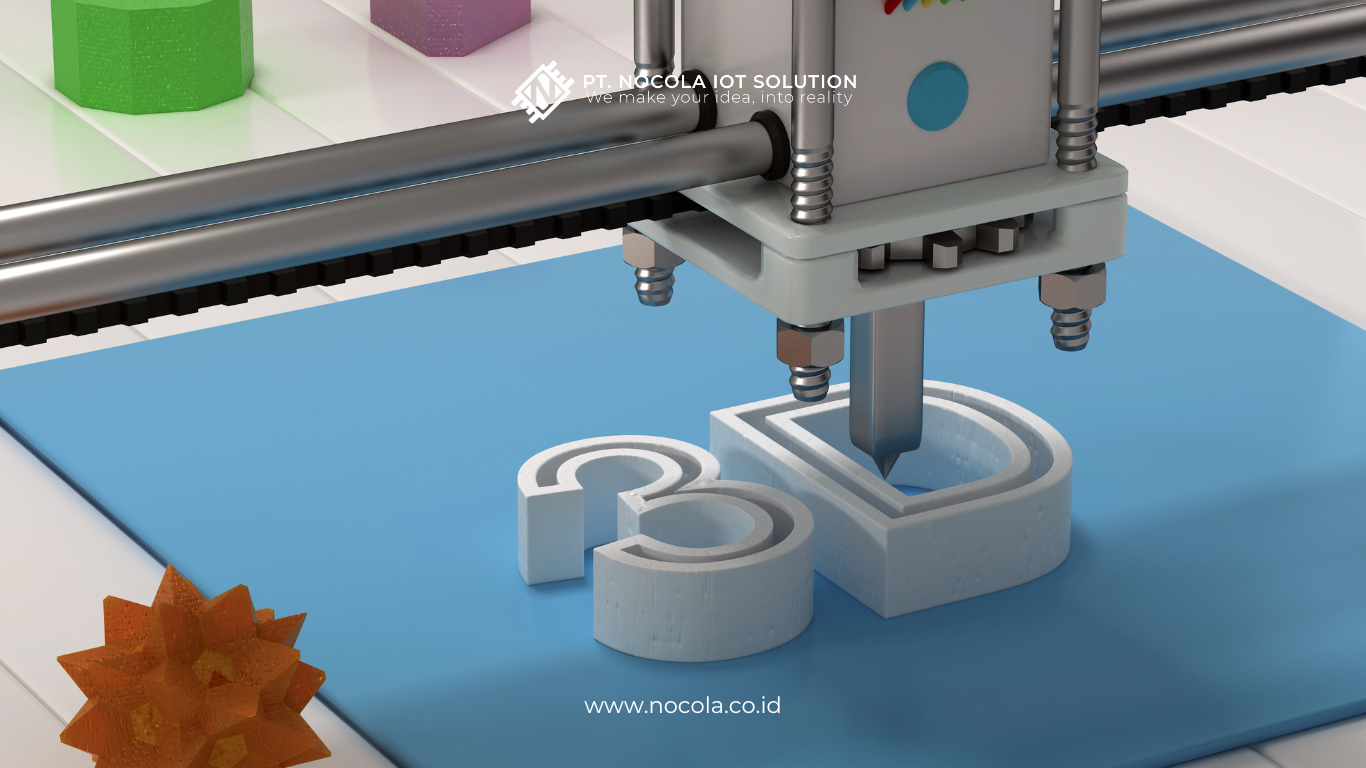
The popularity of 3D printing technology is rising in various sectors, particularly in manufacturing and construction. This process enables three-dimensional objects to be created quickly and with high precision, opening numerous opportunities to improve efficiency and reduce production costs. This article delves into how 3D printing technology impacts the manufacturing and construction industries and its future development.
Read More: Digital Payment Technology: From QR Codes to Biometrics
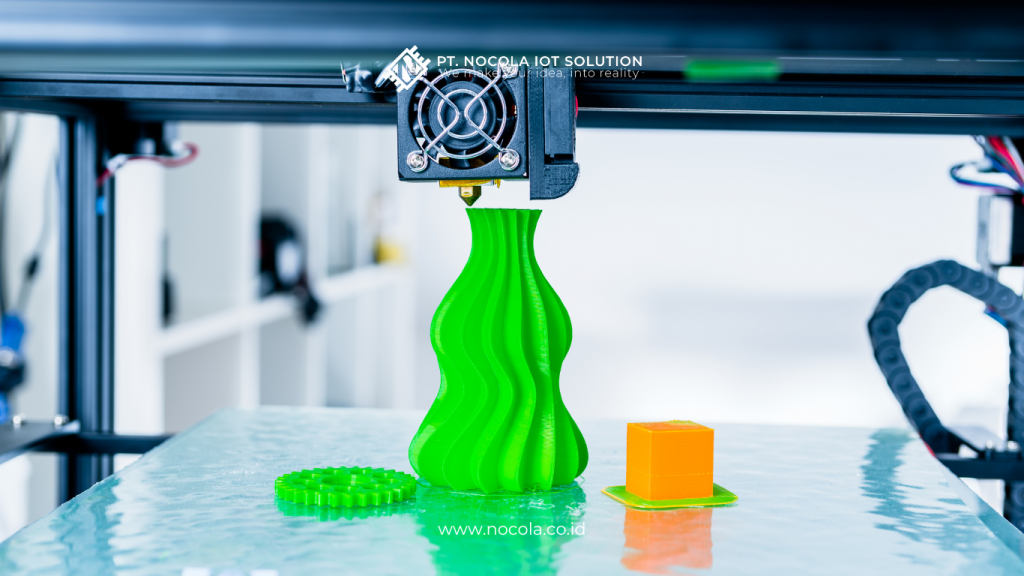
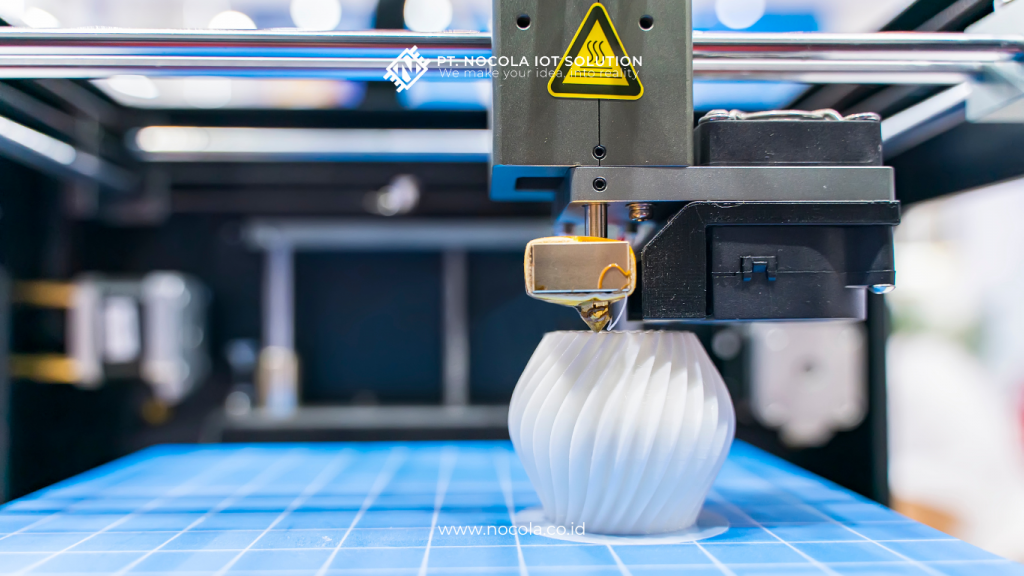
3D printing is a technology that allows the direct creation of physical objects from digital models. This process uses specialized printers that build objects layer by layer using various materials, such as plastic, metal, ceramics, and even concrete. In recent years, this technology has evolved significantly, making it a practical solution for prototyping and even final products across various industries.
3D printing technology was first introduced in the 1980s, initially used primarily for small-scale prototyping. Today, the technology has advanced rapidly and is used to manufacture large-scale components, even in heavy industries such as automotive, aerospace, and construction.
Read More: Smart Home Technology: Smart Solutions for the Home of the Future
3D printing offers numerous advantages for the manufacturing industry. Here are some key benefits of this technology:
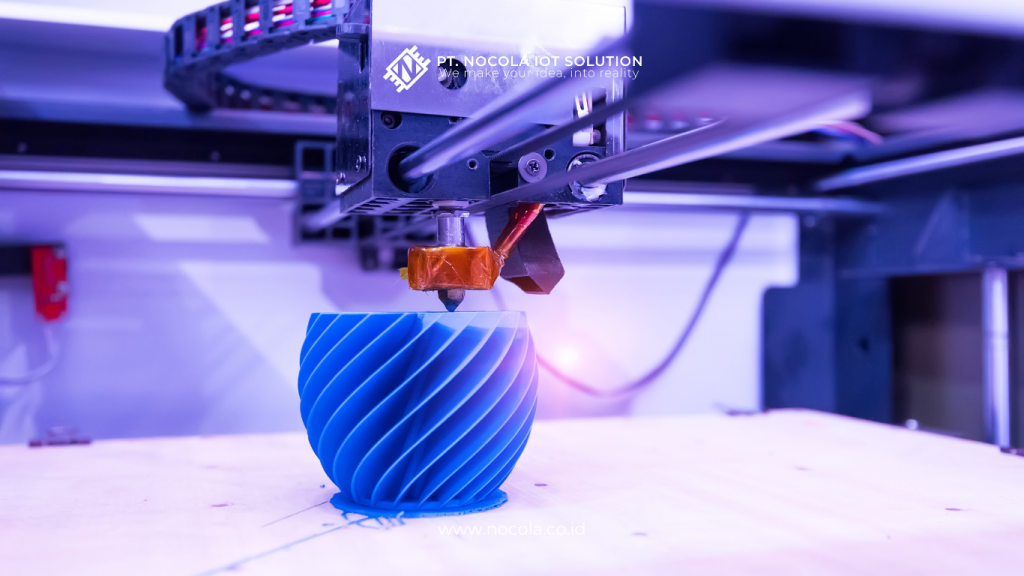
In traditional production processes, creating a prototype can take days or even weeks. With 3D printing, production time can be cut down to just a few hours. This enables companies to develop products faster and expedite time to market.
By reducing the need for production tools and special setups, 3D printing can help reduce production costs. This technology allows objects to be created without expensive molds or special tools, making it ideal for small-scale production or prototyping.
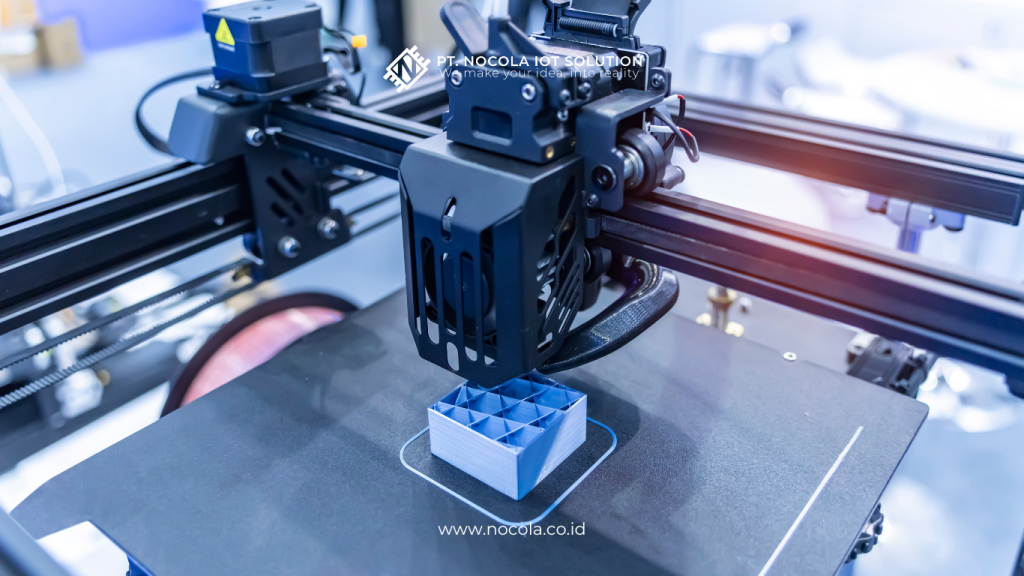
3D printing enables the easy creation of complex designs, allowing engineers and designers to explore new concepts and create products with intricate geometries that would be difficult or expensive to produce using traditional methods.
The 3D printing process is additive, meaning material is added gradually to form the product. This is vastly different from subtractive processes like cutting or casting, which generate a lot of material waste. Thus, 3D printing helps reduce environmental impact by using materials more efficiently.
Read More: Flux Agriculture: Increasing Agricultural Productivity with IoT Technology
In the construction sector, 3D printing is beginning to open up new opportunities. Some of the impacts of this technology on the construction industry include:
3D printing technology enables faster and more efficient construction of structures. In some projects, houses can be printed within a few days or even hours. This saves labor costs and project time, especially for large-scale projects like housing or emergency infrastructure.
With 3D printing technology, designers have more freedom to create unique and complex building designs. This technique allows for intricate geometric patterns and organic shapes that are difficult to achieve with traditional construction methods, providing modern architecture with many opportunities for innovation in design.
3D printing allows the use of various alternative construction materials, such as eco-friendly concrete, recycled materials, or special composites. This opens opportunities for the construction industry to reduce dependence on conventional building materials, which is not only eco-friendly but also potentially more cost-effective.
In addition to reducing waste, 3D printing also minimizes the need for material transportation, which means the carbon footprint of the construction process is smaller. Efficient and precise use of materials also aligns with sustainability efforts that are increasingly important in today’s construction sector.
Read More: The Future of Technology: How AI and Machine Learning Are Transforming Modern Business
Several companies have successfully implemented 3D printing in their production. Here are some real-world case examples:
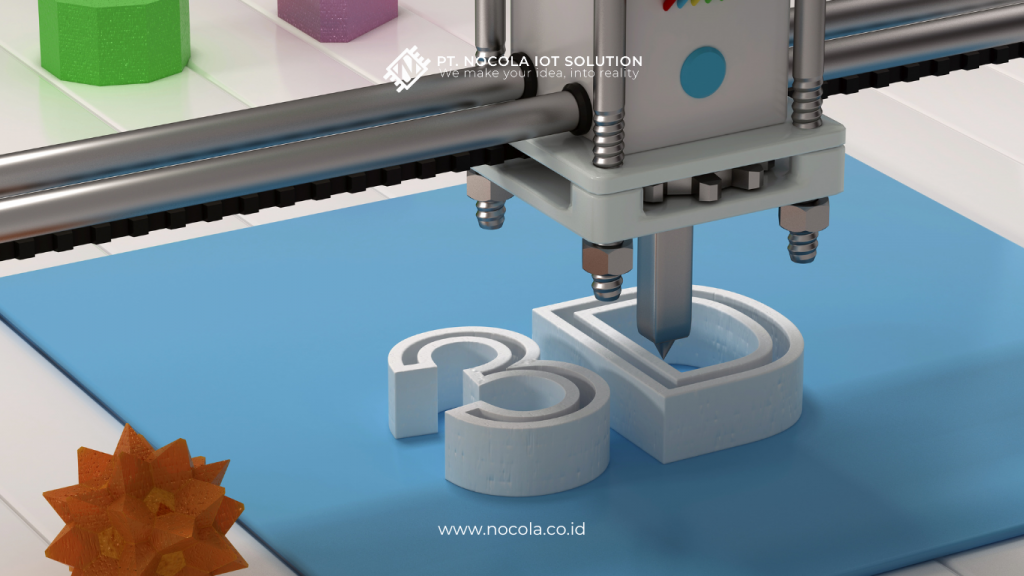
The potential for 3D printing technology is far from exhausted. Future developments in this field include:
3D printing technology continues to grow rapidly, offering various benefits and applications in the manufacturing and construction sectors. This technology not only enhances production efficiency but also opens new doors for design innovation and sustainability. With ongoing developments, 3D printing is expected to play an increasingly important role in transforming how we produce and build in the future.
