Physical Address
304 North Cardinal St.
Dorchester Center, MA 02124
Physical Address
304 North Cardinal St.
Dorchester Center, MA 02124


A Smart City is an urban concept that integrates Information and Communication Technology (ICT) to improve the quality of life for residents, manage resources efficiently, and foster a sustainable and competitive environment. By leveraging technologies like the Internet of Things (IoT), big data, artificial intelligence (AI), and cloud computing, Smart Cities optimize public services and daily urban activities.
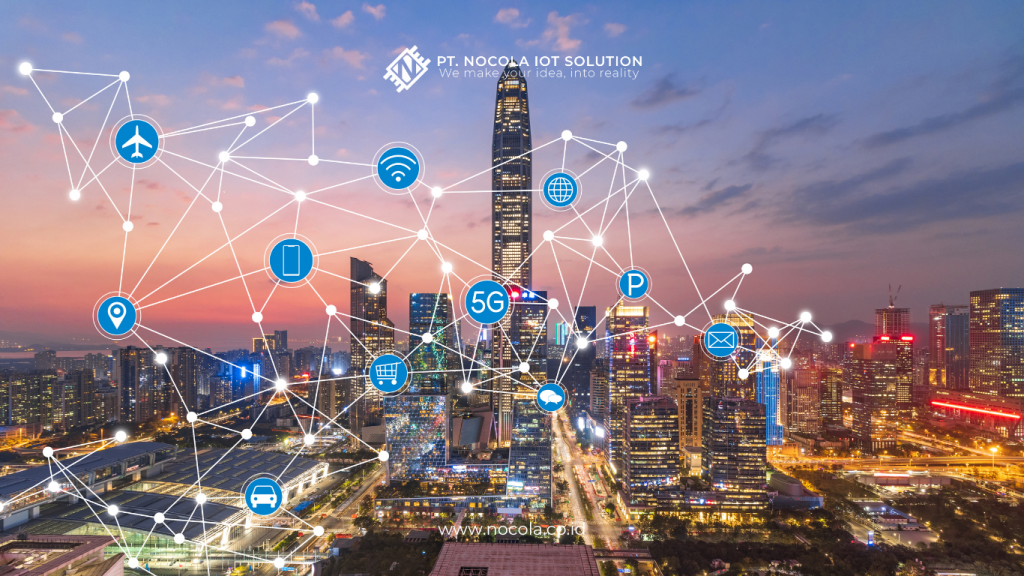
Building a Smart City requires integrating several critical components:
Smart mobility aims to reduce traffic congestion and enhance urban transportation efficiency. Features include integrated public transport systems, electric vehicles, and traffic management using real-time data.
Efficient energy use and sustainability are central, with renewable energy sources, smart grids, and advanced energy distribution systems.
Smart governance uses technology to enhance transparency, citizen engagement, and bureaucratic efficiency, making public services more accessible and participatory.
Technologies monitor air quality, manage waste effectively, and implement eco-friendly solutions to minimize carbon emissions.
This encompasses improving life quality through innovations in public safety, healthcare, education, and optimized urban spaces.
Promotes innovation and entrepreneurship by encouraging digital transformation, creating new jobs, and developing sustainable, competitive markets.
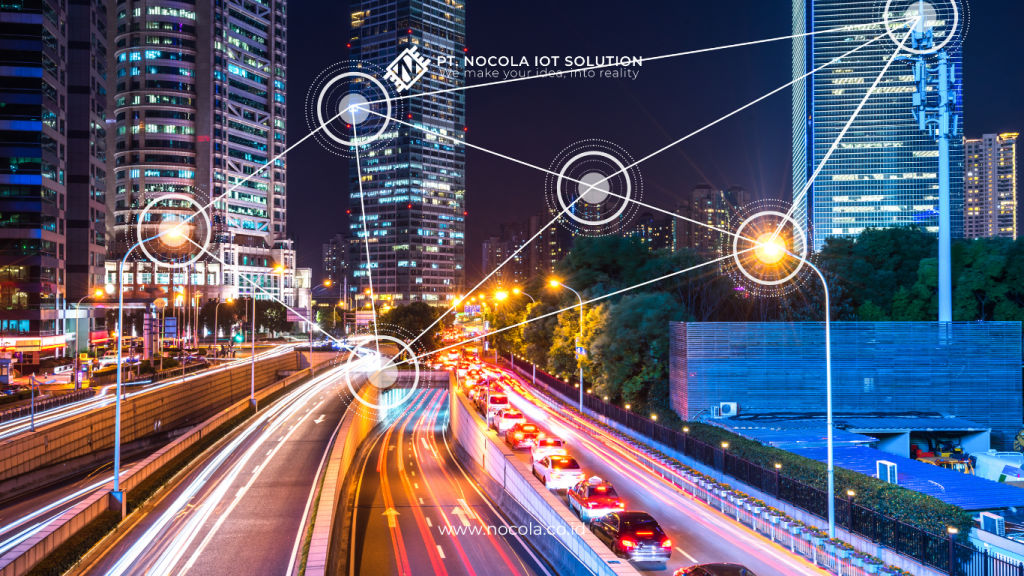
Smart Cities provide significant advantages for both communities and the environment:
Citizens enjoy more efficient services, such as faster transportation, improved public safety, and cleaner environments.
Optimized use of resources like water, energy, and land ensures sustainability and reduces waste.
Advanced traffic systems reduce congestion and vehicular emissions, improving air quality.
Monitoring technologies like CCTV and sensors improve disaster prediction, emergency responses, and environmental health.
Smart Cities foster entrepreneurship and create technology-driven jobs, driving economic growth.
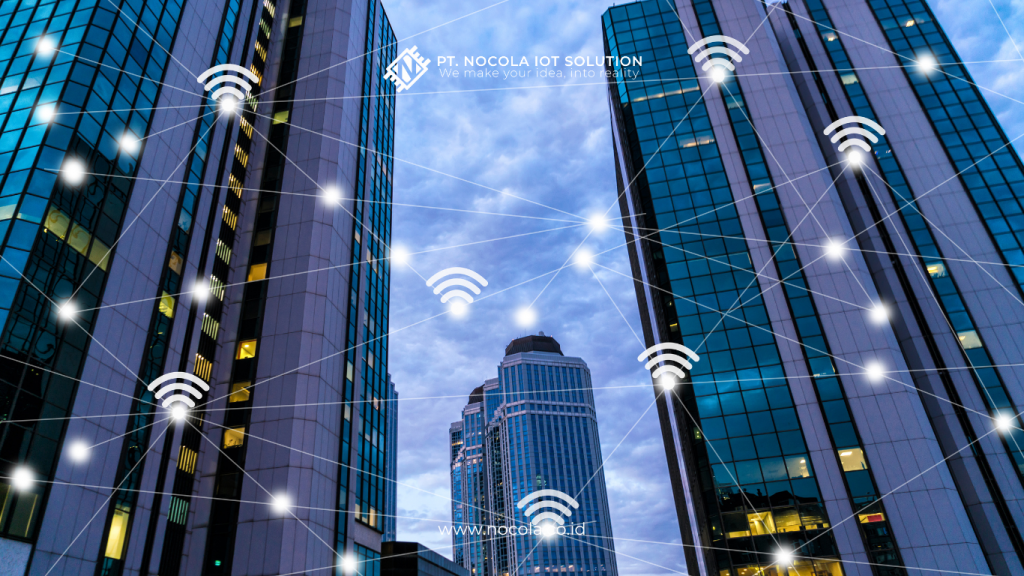
Despite their benefits, Smart Cities face several hurdles:
Widespread data usage raises risks of breaches and cyber threats, demanding robust security systems.
Smart infrastructure requires significant investment from both governments and private sectors.
Adapting to new technologies may face resistance from communities and require significant skill development.
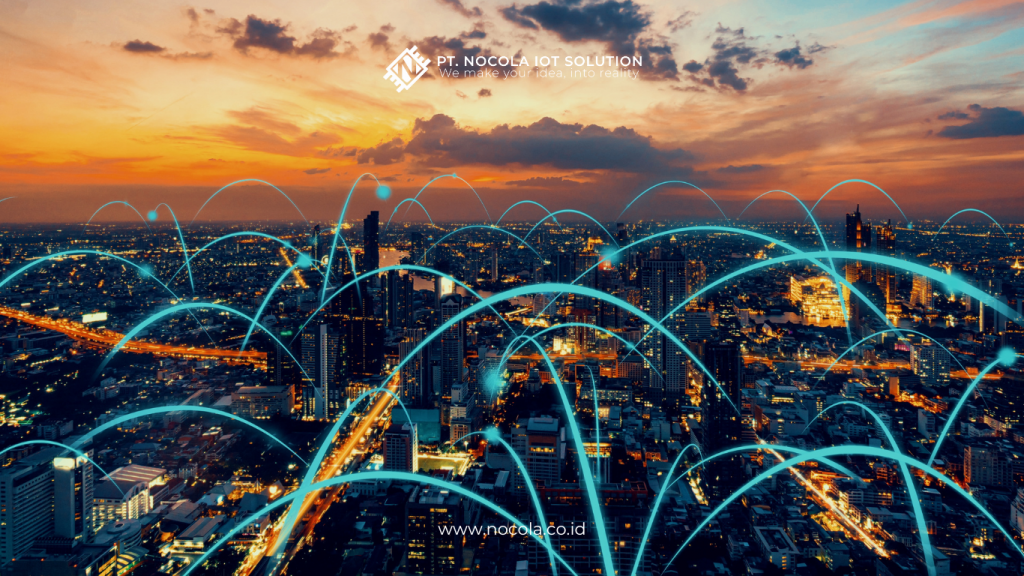
Smart Cities represent the future of urban living, blending technology with everyday life to create sustainable, efficient, and innovative environments. While challenges like privacy concerns and high costs remain, strategic planning and investment will ensure that Smart Cities continue to evolve, benefiting societies worldwide.