Physical Address
304 North Cardinal St.
Dorchester Center, MA 02124
Physical Address
304 North Cardinal St.
Dorchester Center, MA 02124

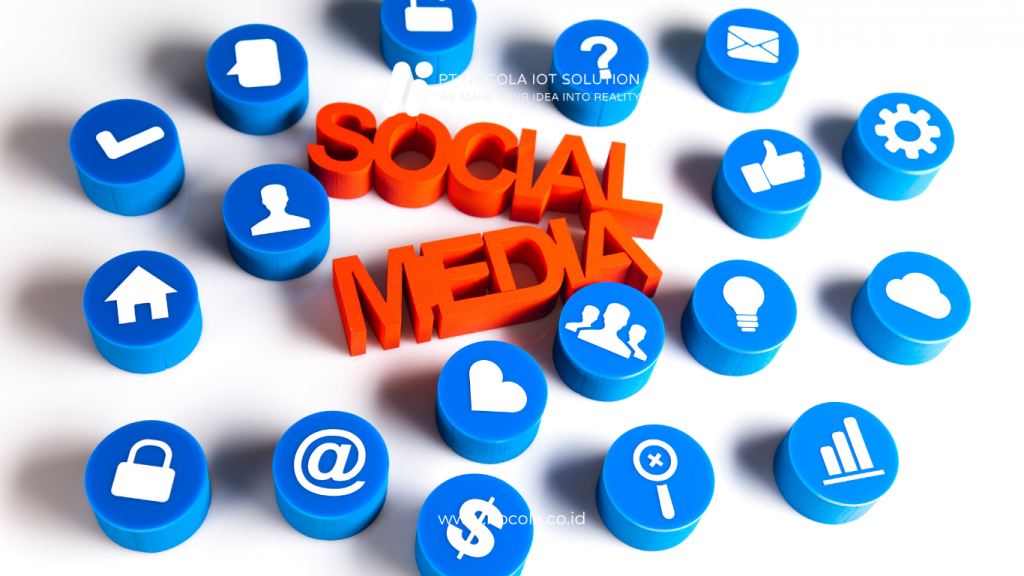
In the current information era, social media has become an integral part of daily life. Platforms such as Facebook, Instagram, and Twitter not only serve as communication tools but also influence how we interact, shop, and even manage our mental health. While social media can provide benefits such as social support and access to information, there are also many risks associated with its excessive use. This article will discuss the impact of social media on mental health, differentiate between its positive and negative effects, and provide suggestions on how to maintain mental health in the digital age.
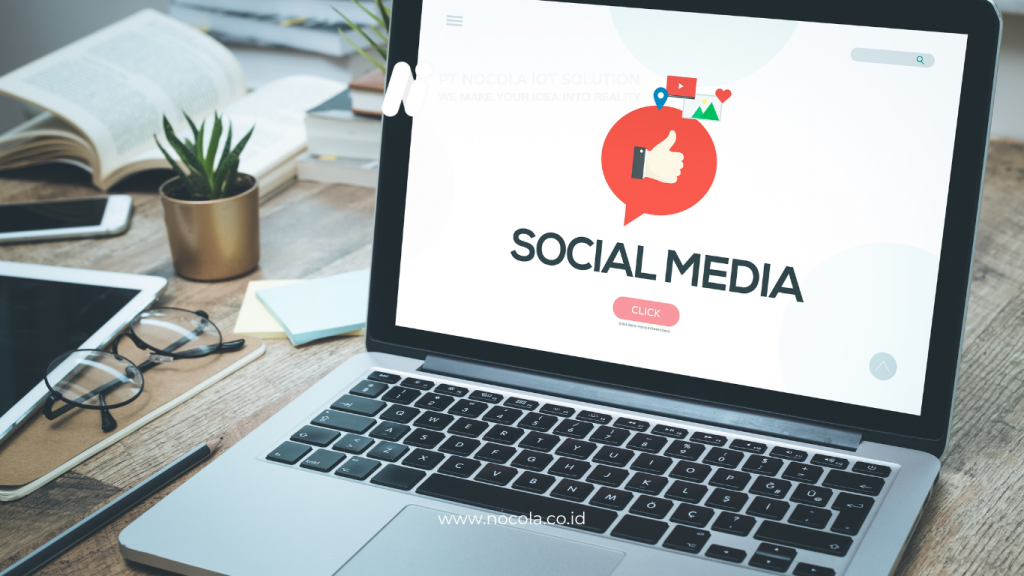
Social media has changed the way we communicate. With these platforms, we can easily connect with friends and family around the world. The social support gained from online communities can help individuals feel more connected and reduce feelings of loneliness.
In addition to connecting people, social media also serves as a rich source of information. Users can follow the latest developments, get updates on mental health conditions, and access useful resources.
Social media provides a space for individuals to express themselves. In many cases, sharing experiences can be an effective way to cope with mental health issues and raise awareness of the challenges faced.
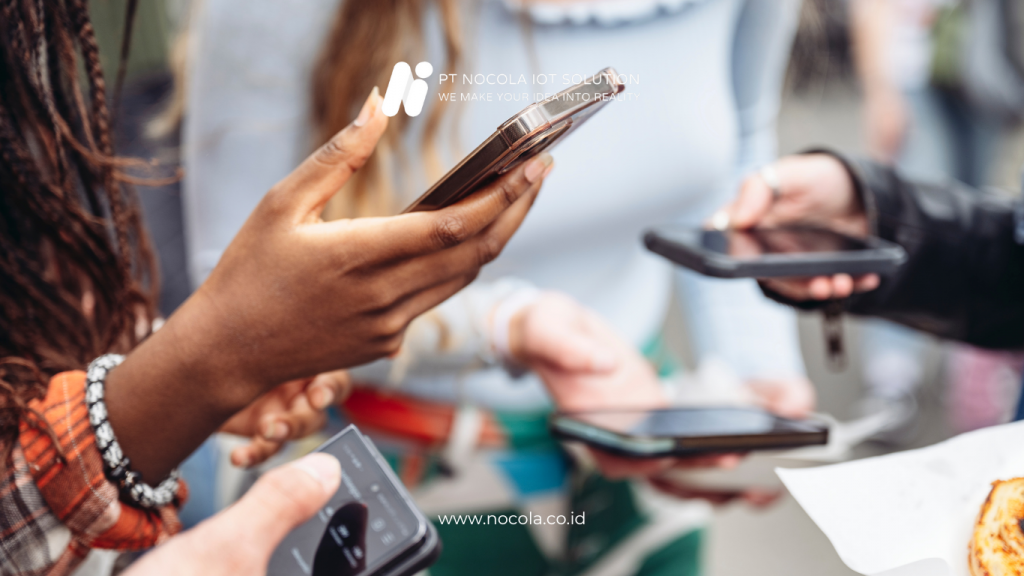
Support from friends and online communities can contribute to better mental health. Social media allows individuals to share experiences, seek advice, and receive empathy from others who may be experiencing similar situations.
Social media serves as a platform to raise awareness about mental health issues. Many organizations and health professionals use social media to disseminate information and educate the public about the importance of mental health.
Through social media, individuals can find a variety of relevant resources, including mental health apps, articles, and support groups, making it easier for them to seek help.
Social media can create an environment where individuals feel compelled to compare themselves to others, which can lead to feelings of dissatisfaction and low self-esteem. Viewing photos and posts that appear perfect can trigger anxiety and depression.
Online bullying is becoming increasingly common and can have a serious impact on an individual’s mental health. Victims of bullying may experience prolonged stress, anxiety, and depression.
Excessive dependence on social media can disrupt daily life. Activities such as social interactions, work, and even sleep can be affected by overuse. This has implications for mental well-being.
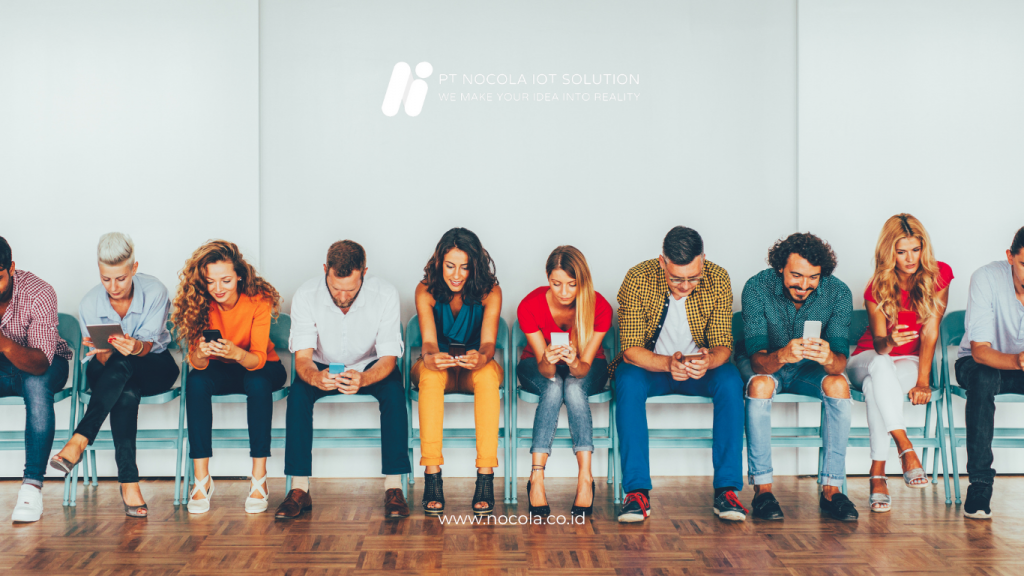
One of the best ways to reduce the negative impact of social media is to limit usage time. Set specific times to check social media to avoid interfering with daily activities.
Follow accounts that provide inspiration, motivation, and positive information. Avoiding harmful content that challenges your self-esteem can help create a healthier social media experience.
While social media offers support, it’s also important to seek assistance in the real world. Talking to friends, family, or mental health professionals can provide a better perspective.
Utilize social media platforms to spread awareness about mental health or to support others. Using social media as a tool for good can create a more positive experience.
Set goals for social media use, such as connecting with friends or seeking useful information. Also, establish boundaries, such as not checking social media before bedtime.
Social media significantly impacts mental health, both positively and negatively. Understanding its influence and taking steps to maintain balance is key to leveraging this technology in a healthy and productive way. Nocola is committed to providing valuable information in addressing mental health challenges in this digital era. With the right approach, we can turn social media into a tool that empowers rather than burdens.

