Physical Address
304 North Cardinal St.
Dorchester Center, MA 02124
Physical Address
304 North Cardinal St.
Dorchester Center, MA 02124


In the construction industry, efficiency and safety in asphalt management are crucial. Asphalt tanks serve as storage for asphalt used in various construction projects. However, management challenges range from safety, efficient usage, to product quality. Therefore, the application of the Internet of Things (IoT) in monitoring asphalt tanks becomes an innovative solution that offers various benefits. In this article, we will discuss how IoT technology functions in monitoring asphalt tanks and the advantages it provides for businesses and industries.
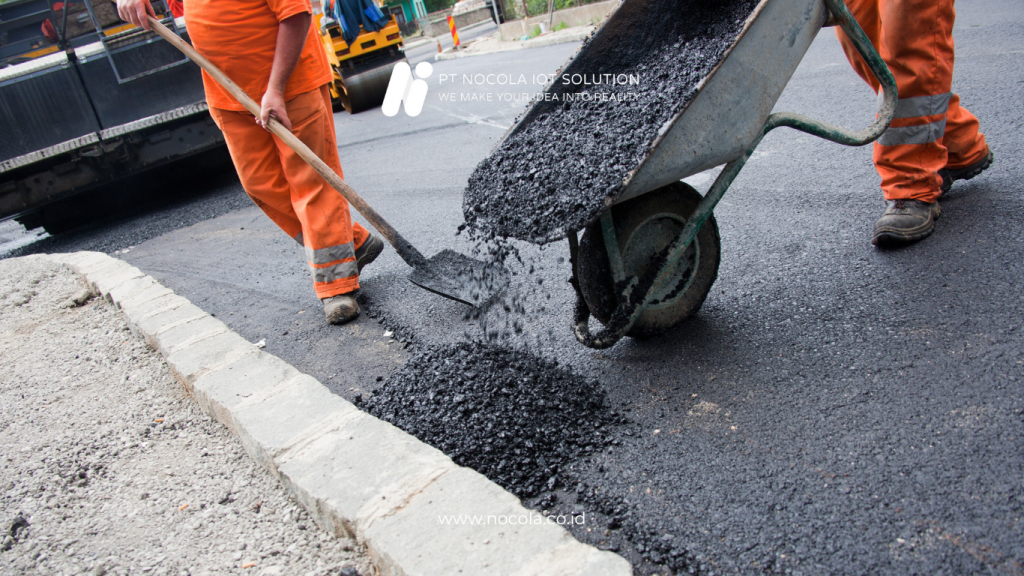
Asphalt tanks have inherent risks due to the combustible nature of the material, which can potentially cause fires. An IoT-based monitoring system can provide real-time information regarding tank conditions, such as temperature and pressure, to prevent unwanted incidents.
With proper management, companies can optimize asphalt use, reduce waste, and schedule deliveries better. Reducing downtime and improving productivity is vital for operational sustainability.
Ensuring that asphalt is stored under the right conditions is crucial for maintaining its quality. Proper monitoring can provide data about the state of the tank, allowing companies to take necessary actions to prevent damage and loss of quality.
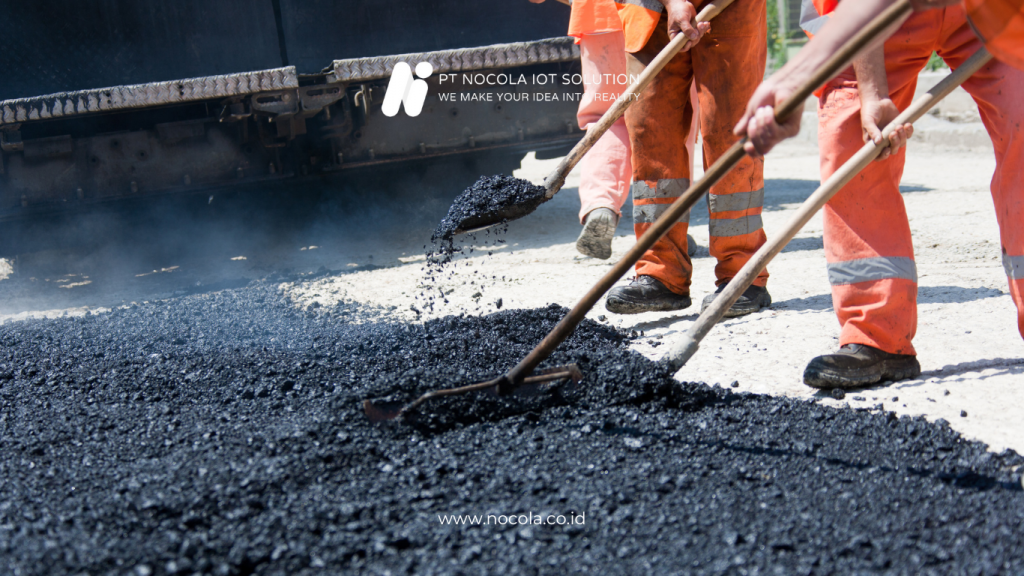
IoT technology utilizes smart sensors to collect data related to asphalt tank conditions. Some parameters that can be monitored include:
Sensors connected to the internet allow real-time data transmission to a management system that can be accessed by users. This data is useful for further analysis and quick decision-making.
The monitoring system can be managed through a cloud-based platform, where users can easily access information. This allows for better management and supports strategic decision-making.

With real-time data, managers can see the conditions of each asphalt tank and avoid potential problems. This information allows preventive measures to be taken before situations worsen.
This system can be automated to alert users about low asphalt levels, abnormal temperatures, or potential leaks. It reduces reliance on manual monitoring and improves response to emergency situations.
By improving tracking and efficiency in asphalt management, companies can reduce operational costs, including shipping expenses and tank maintenance.
Systematic data collection through IoT allows for deeper analysis, supporting more accurate data-driven decision-making.
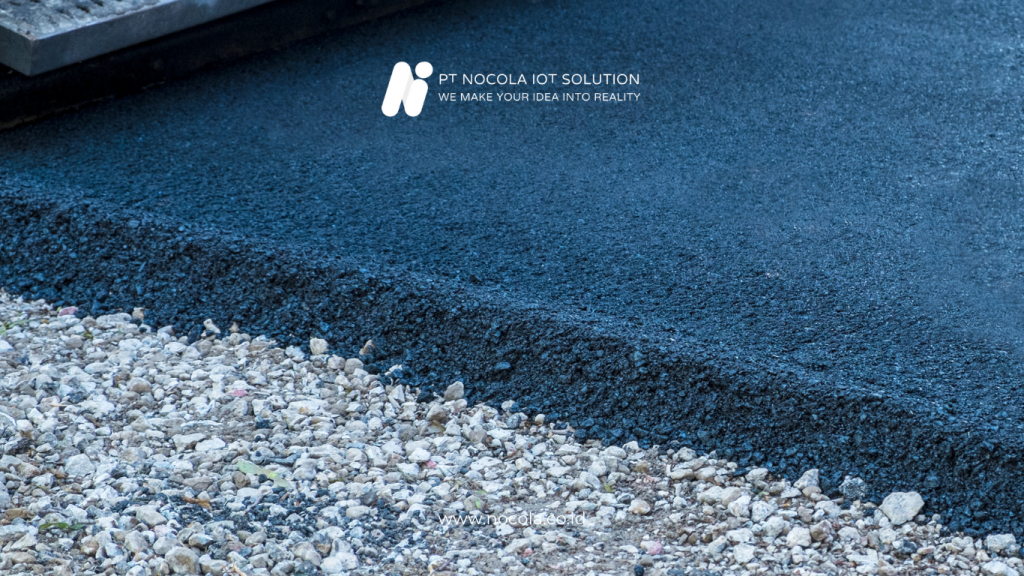
In the construction industry, the application of IoT technology in monitoring asphalt tanks allows companies to enhance raw material management and ensure the quality of work.
Logistics and transportation also benefit from this technology. Monitoring asphalt at various delivery points helps ensure that asphalt supplies are always available.
The role of IoT in urban infrastructure development is crucial. With efficient monitoring, sustainability and project safety can be ensured.

As technology continues to evolve, we can expect further innovations in monitoring systems that enhance efficiency.
Integrating IoT with other technologies, such as AI and big data, can open opportunities for deeper analysis and better management strategies.
Utilizing IoT can enhance communication between devices and aid in creating a more responsive system for monitoring asphalt tanks.
IoT-based monitoring of asphalt tanks is a vital innovation that enhances efficiency, safety, and reliability in the construction industry and infrastructure management. By leveraging technology such as RFID and smart sensors, companies can maintain product quality and manage resources more effectively.
Nocola is committed to providing valuable information and solutions that support the adoption of advanced technology. By continually innovating and investing in new technologies, we can create a better and more connected future.