Physical Address
304 North Cardinal St.
Dorchester Center, MA 02124
Physical Address
304 North Cardinal St.
Dorchester Center, MA 02124

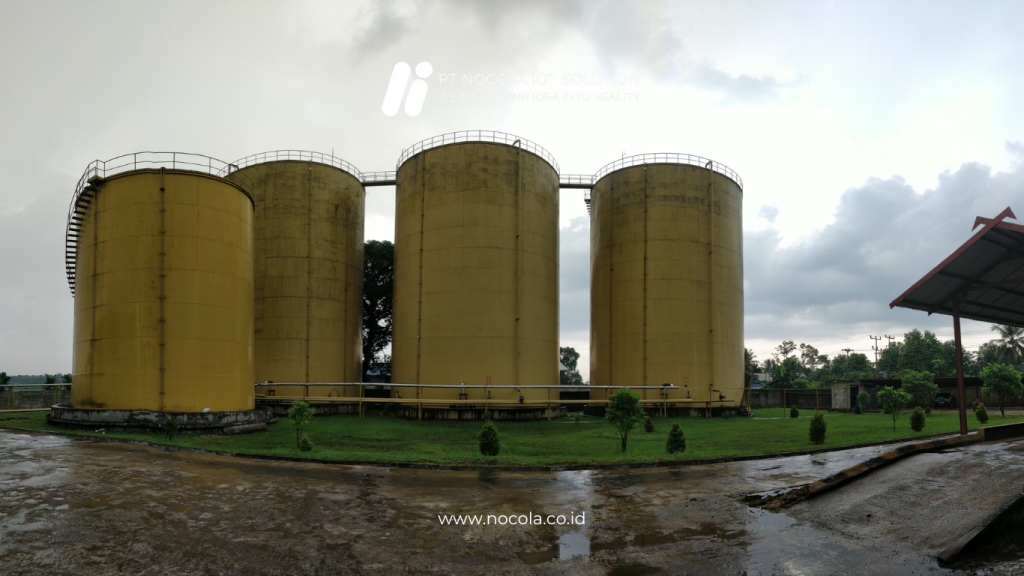
In the agricultural industry, efficiency and safety in asphalt management are crucial. Asphalt tanks serve as storage for asphalt used in various construction projects. However, challenges in managing these tanks range from safety, efficient usage, to product quality. In this context, Internet of Things (IoT) technology emerges as an innovative solution that offers various benefits. This article will discuss how IoT technology is applied in monitoring asphalt tanks, the benefits for the industry, and best practices that can be adopted by businesses.
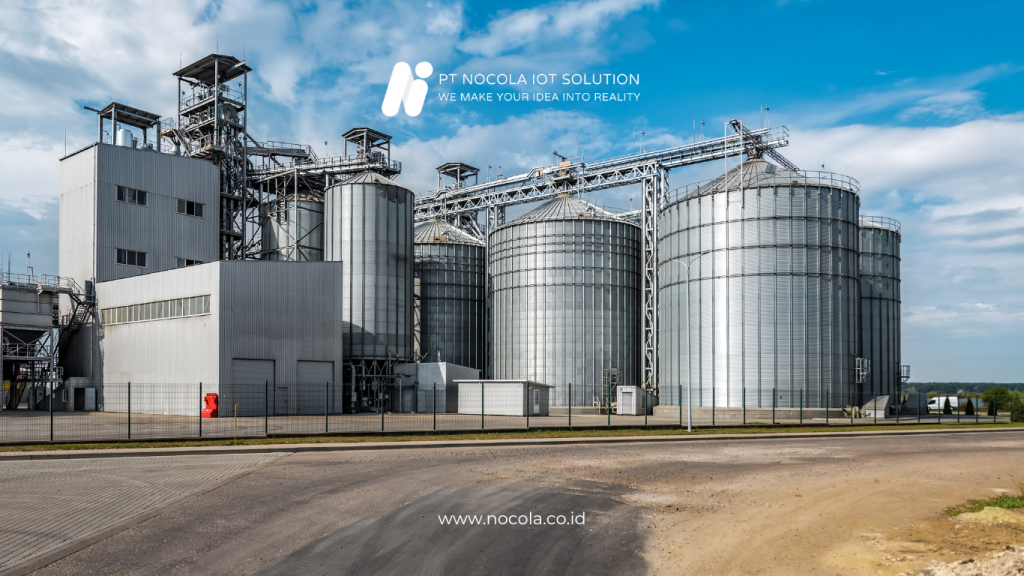
The Internet of Things (IoT) is a network of physical devices that are connected to the internet and can communicate with each other. In the context of asphalt tanks, IoT involves using sensors and devices that can monitor the conditions and levels of asphalt in real time.
The IoT-based monitoring system utilizes smart sensors to measure several key parameters:
These sensors are connected to the internet and can send data to a management system. This allows users to access information anytime and anywhere, providing flexibility in management.
The collected data is stored on a cloud-based platform, allowing for in-depth analysis and reporting. Managers can easily monitor and analyze data, supporting better decision-making.
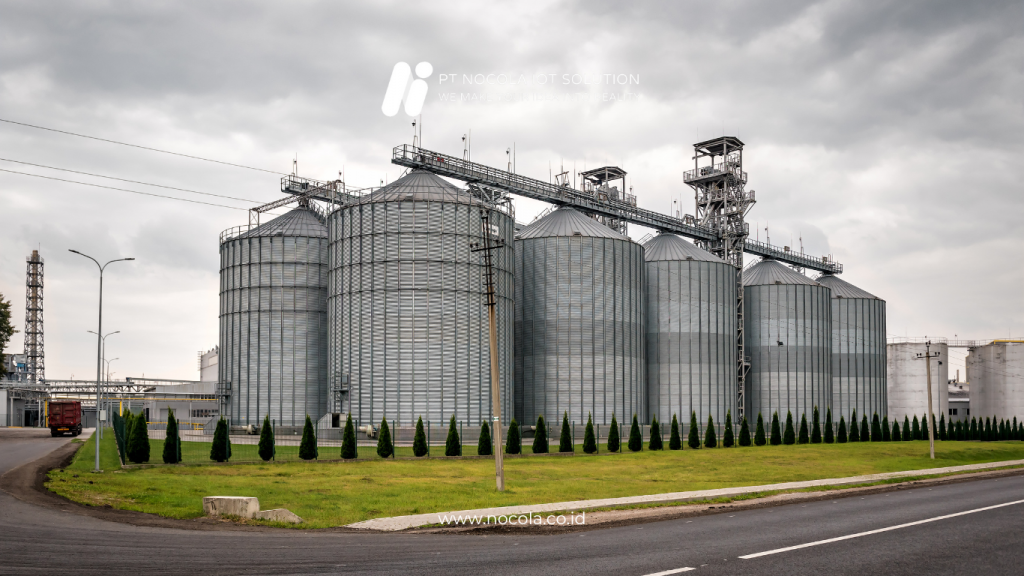
The implementation of IoT technology offers managers full visibility into the conditions of each tank. Accurate data allows for the identification of potential problems before they escalate into serious incidents.
By using connected sensors, users can set automatic reminders and notifications when oil levels drop below certain thresholds or temperatures become less than ideal.
By minimizing waste and enhancing efficiency, companies can reduce operational costs associated with tank management.
With more efficient management and reduced losses, IoT-based tank monitoring helps achieve sustainability practices in the palm oil industry, which is increasingly important in this modern era.
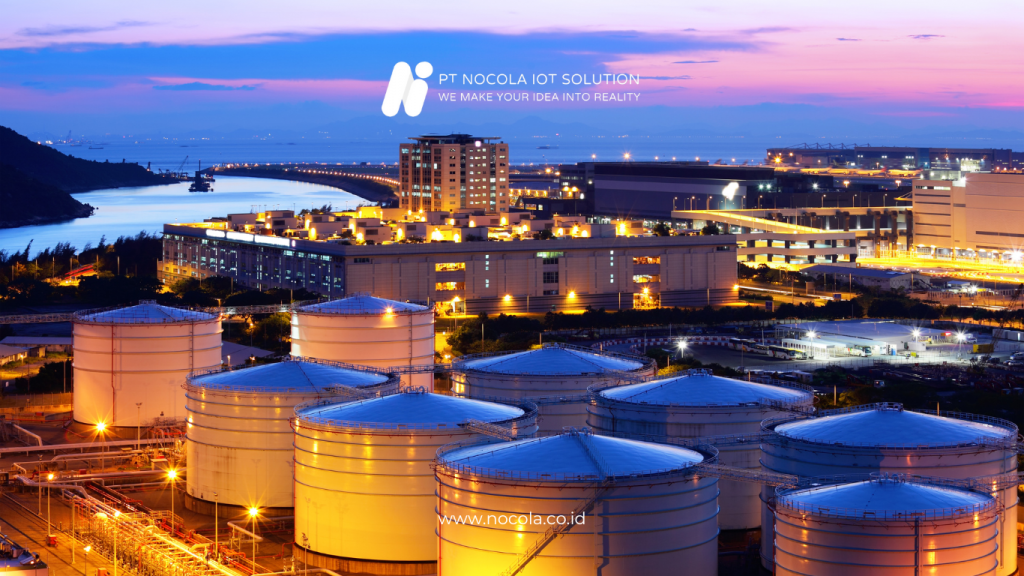
IoT can be used to monitor the health of palm oil plantations and soil conditions, providing necessary data to enhance crop yields.
In supply chain management, real-time information about tank status can be used to improve logistics and reduce delays in distribution.
By monitoring the height and condition of the palm oil, companies can ensure that products sent to consumers are always in the best condition.

Before implementing an IoT solution, it is important to conduct a needs assessment to ensure that the technology used aligns with management goals.
Selecting appropriate sensors and devices is crucial for system success. Ensure the devices can operate in specific environments.
Scheduling trials for the new system and making adjustments as needed can help enhance effectiveness.
IoT-based monitoring of asphalt tanks is an innovative solution that enhances efficiency, safety, and management within the palm oil industry. By leveraging advanced technologies like sensors and real-time monitoring, companies can better manage their resources.
Nocola is committed to facilitating the adoption of modern technology in the industry, enabling businesses to face a brighter and more connected future. By continuously investing in technology and innovation, we can support food security and environmental sustainability worldwide.

