Physical Address
304 North Cardinal St.
Dorchester Center, MA 02124
Physical Address
304 North Cardinal St.
Dorchester Center, MA 02124

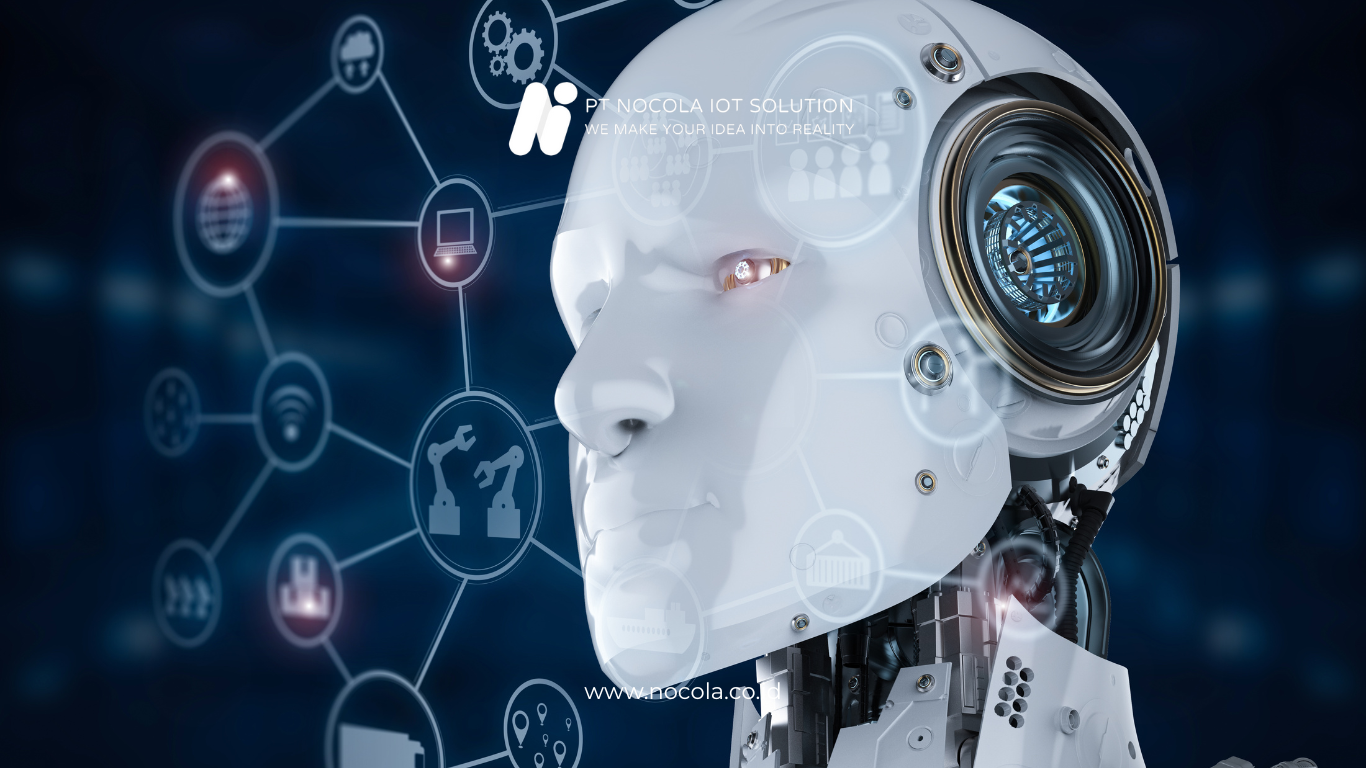
In the midst of rapid technological advancement, robotics is becoming an integral part of our daily lives. From production lines in factories to smart devices at home, robotics not only boosts efficiency but also transforms how we interact with our surroundings. Furthermore, with the emergence of artificial intelligence (AI), robotics can now perform much more complex and sophisticated tasks. This article explores the role of robotics across various sectors, its practical applications in everyday life, as well as the challenges and opportunities that lie ahead.
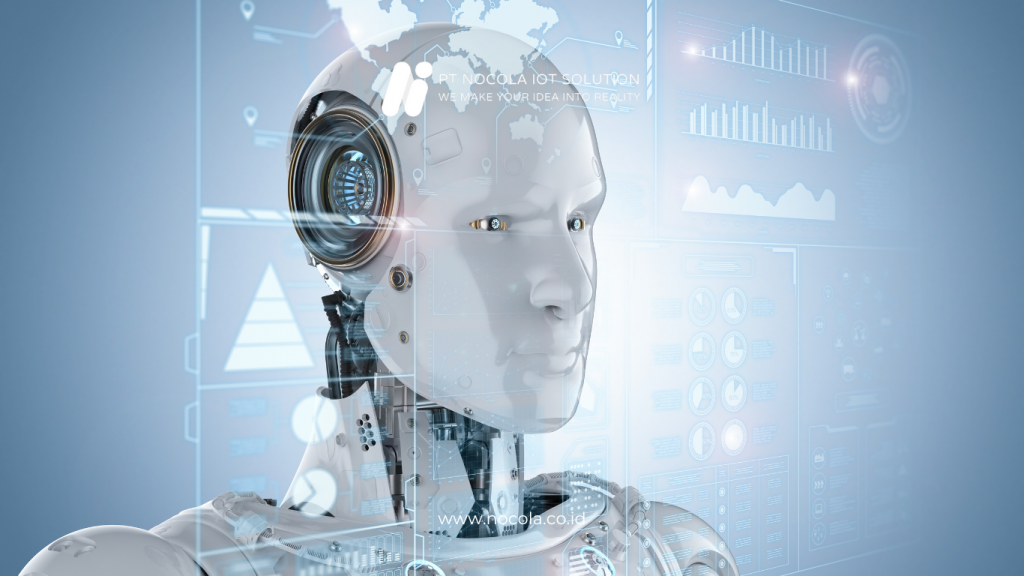
Robotics is a branch of technology concerned with the design, construction, operation, and use of robots. A robot can be defined as an automated machine capable of performing specific tasks with little to no human intervention.
The development of robotics began in the 20th century with the invention of the first automated machines used in industry. Since then, robotics has evolved rapidly with the emergence of new technologies and the integration of artificial intelligence. From cargo-moving robots to robots that can interact with humans, innovation in this field continues to grow.
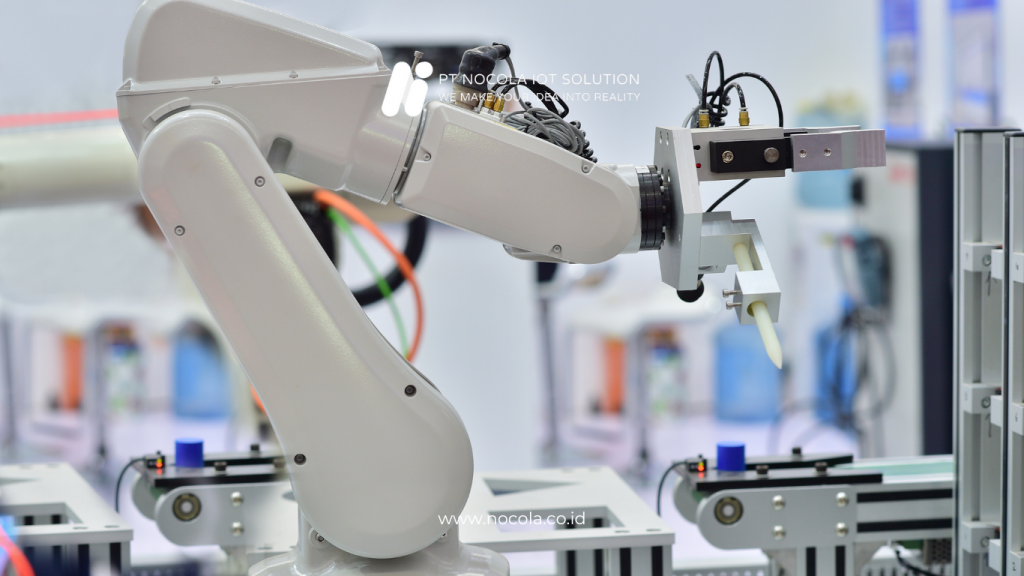
Robots are used to automate production processes in factories. By reducing human intervention, robots can increase speed and accuracy while lowering production costs.
Modern robots are equipped with sensors and AI technology, allowing them to efficiently interact with humans. This is particularly useful in customer service and healthcare industries.
In a broader context, robots are also used for monitoring and controlling in industries such as agriculture and energy. Robotics monitors environmental conditions, providing valuable data to support decision-making.
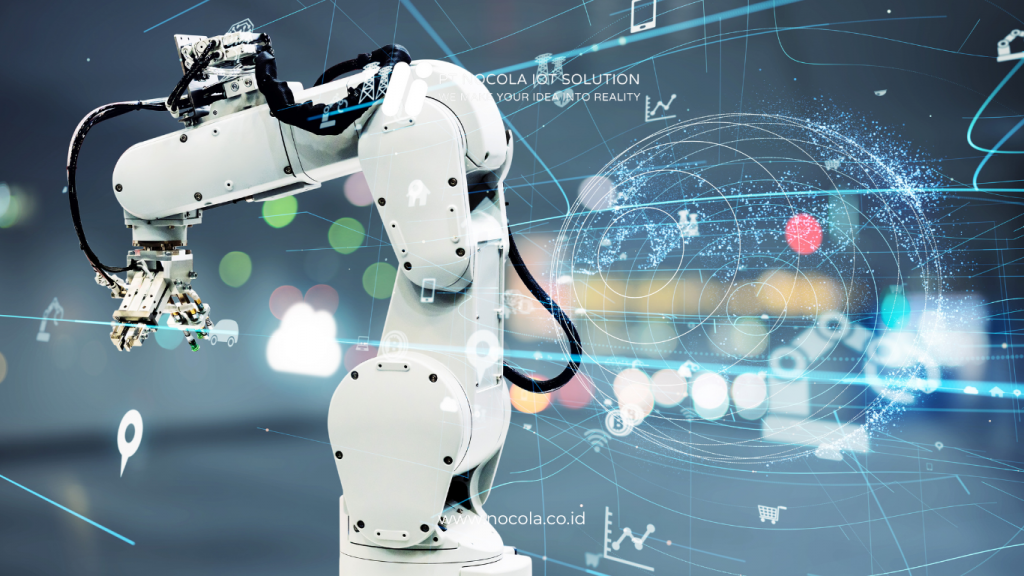
The manufacturing industry is one of the largest users of robotics. Here, robots perform heavy and repetitive tasks such as machine assembly, packaging, and welding. With robots, companies can increase productivity and reduce workplace injuries.
Robots have also made a significant contribution to the healthcare sector. Surgical robots, for instance, allow doctors to perform procedures with greater precision and minimal invasiveness. Meanwhile, delivery robots help distribute medications within hospitals.
In logistics, robots are used to automate goods movement processes. Robotic systems can manage inventory, navigate warehouses, and boost overall operational efficiency.

One of the most common home robotics applications is cleaning robots. Smart vacuum robots efficiently clean floors, making daily life easier for homeowners.
AI-based personal assistant robots can help with various tasks, from managing schedules and answering questions to controlling smart home devices. They enhance comfort and efficiency in everyday life.
Security robots come equipped with sensors and cameras to monitor homes. They provide real-time reports via apps, enhancing overall home safety.
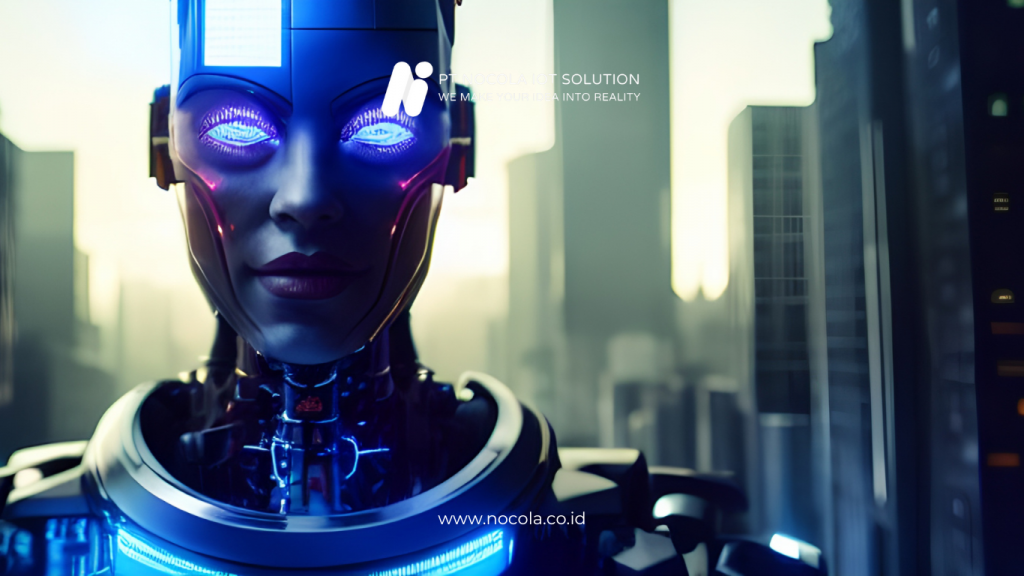
The world of robotics continues to advance with ongoing research and innovation. With more sophisticated AI, robots will be able to perform a wider range of tasks more effectively and safely.
Robotics and IoT will become increasingly integrated, creating smarter systems that can communicate and collaborate with each other. This opens up new opportunities in automation and monitoring.
Designs focusing more on human interaction will become more popular. Robots that can collaborate better with humans will be key elements in future industries.
Robotics in everyday life—both in industrial and home settings—offers many opportunities to enhance efficiency and quality of life. With advanced technology and ongoing innovations, the future looks promising.
Nocola is committed to being part of this digital transformation, helping implement robotics solutions that can bring positive change to both industries and communities. Let’s welcome a smarter and more connected future!