Physical Address
304 North Cardinal St.
Dorchester Center, MA 02124
Physical Address
304 North Cardinal St.
Dorchester Center, MA 02124
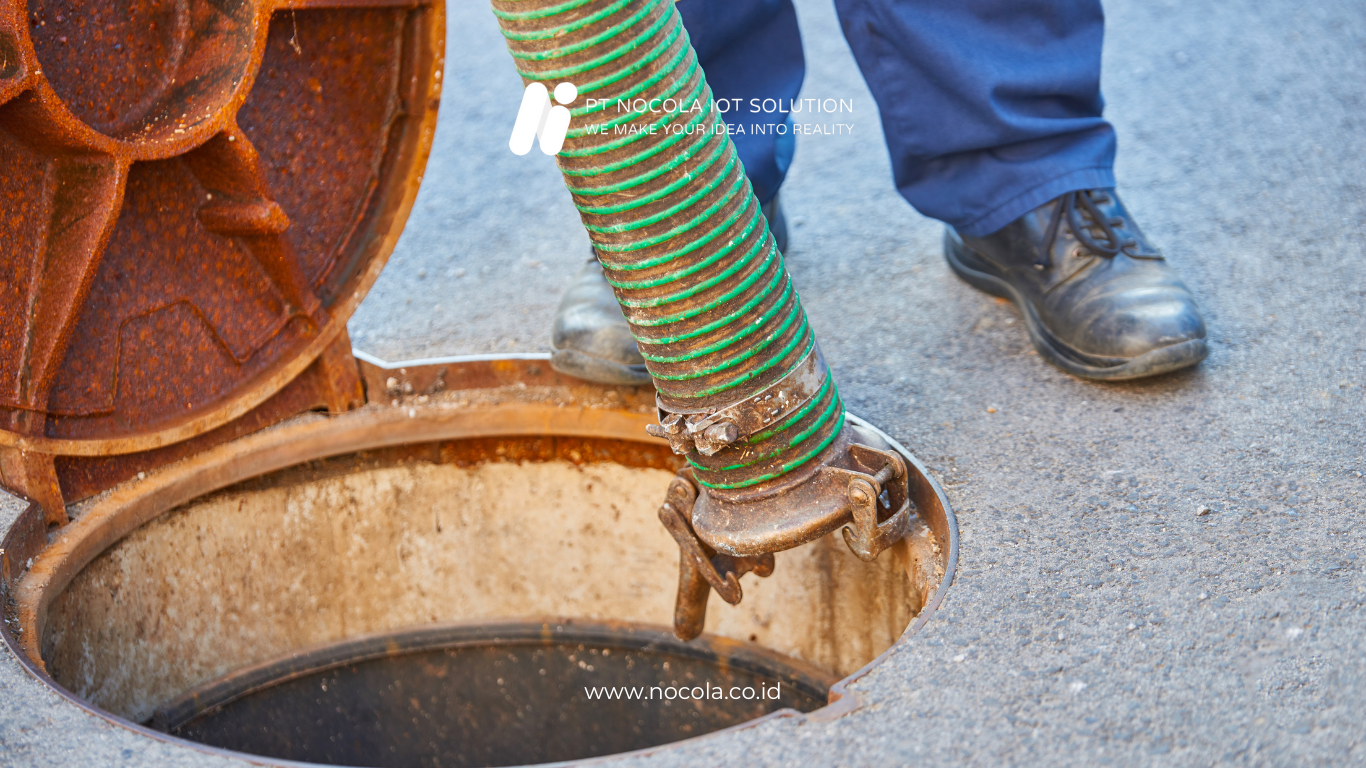
In the face of the increasingly pressing climate crisis, the need for accurate and real-time information about corrosion has become critical. Behind the construction of skyscrapers, majestic bridges, and complex transportation infrastructure, lies a significant challenge that we all face: corrosion. In this digital transformation era, corrosion monitoring is becoming increasingly important to ensure that the structures we build remain safe and reliable. One promising innovation in this regard is IoT-based corrosion monitoring. This technology not only allows us to detect signs of corrosion early, but also provides essential real-time information to maintain structural integrity. In this article, we will discuss the application of IoT technology in corrosion monitoring, the benefits it offers, and the challenges faced in its implementation.
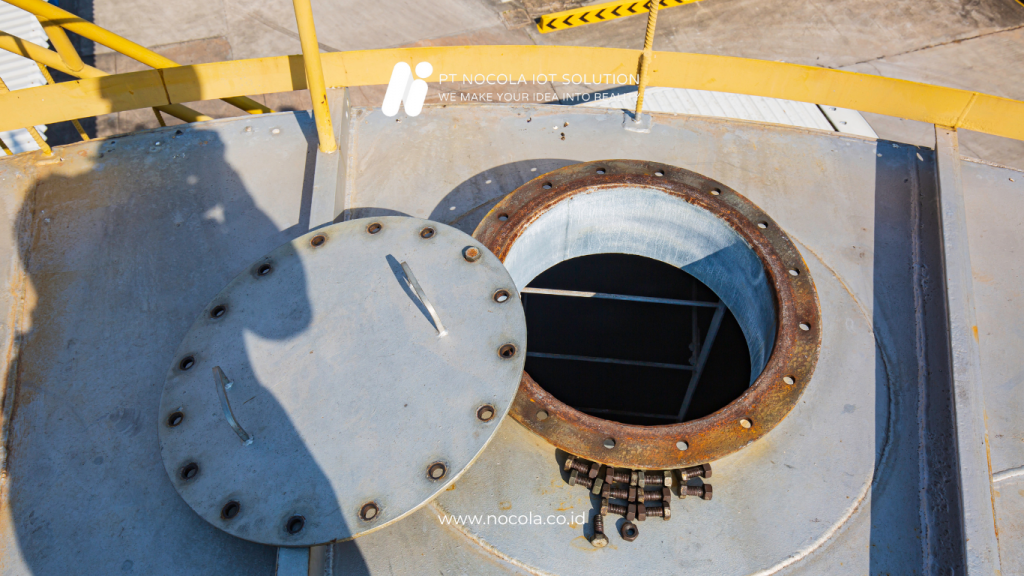
IoT-based corrosion monitoring is a system that integrates sensors and IoT devices to detect and monitor corrosion levels in various materials and structures. By continuously gathering data, this system can provide the necessary information to prevent more serious damage and ensure operational safety.
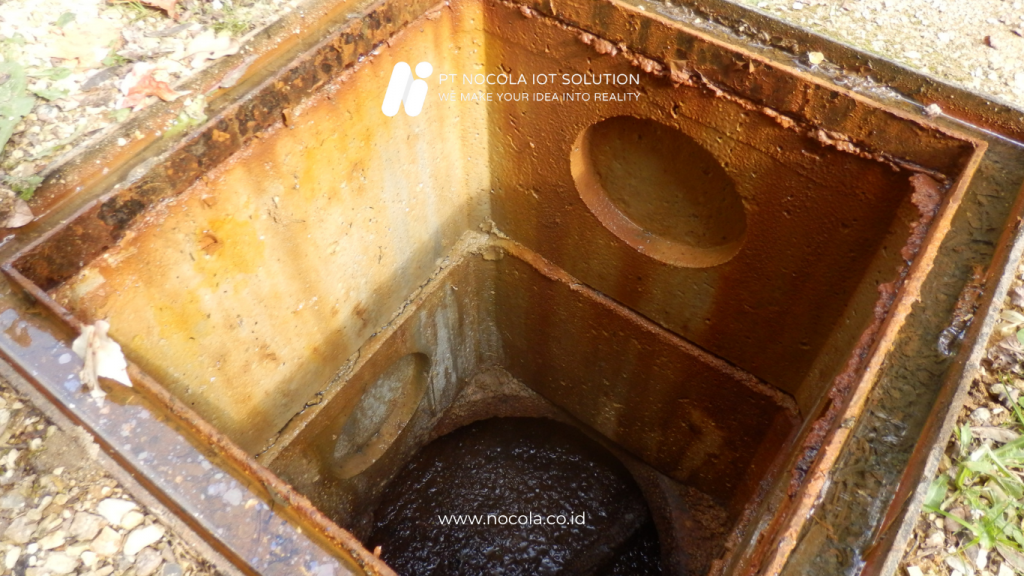
The corrosion monitoring system uses smart sensors specifically designed to measure various parameters related to corrosion, such as:
Sensors equipped with internet connectivity transmit data to the management system. This allows users to access information anytime and anywhere, providing flexibility in management.
The collected data is stored in a cloud-based platform, enabling in-depth analysis and reporting. With good data analysis capabilities, management can make decisions to prevent further damage.
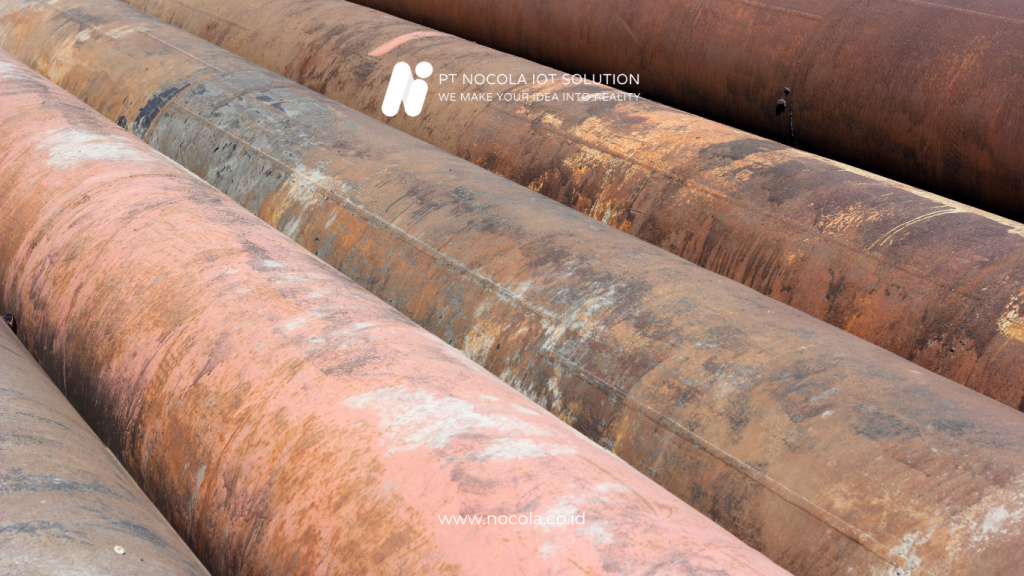
One of the main benefits of IoT-based corrosion monitoring is its ability to detect signs of corrosion early. Early detection allows companies to avoid more serious structural damage that requires expensive repairs.
Real-time data helps maintenance teams manage assets more effectively. They can gain insights into when and where maintenance is needed, enabling better planning.
By continuously monitoring corrosion levels, companies can perform better-planned maintenance, reducing costs associated with sudden damage.
The success of corrosion monitoring systems contributes to enhanced operational safety, especially in high-risk industries.
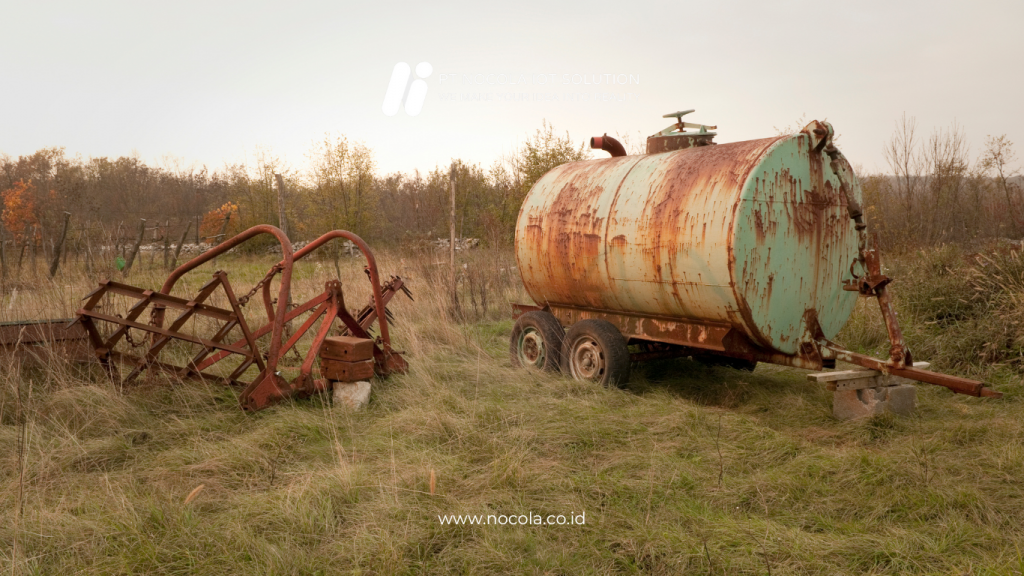
In the oil and gas sector, drilling and storage are highly susceptible to corrosion. IoT monitoring systems can provide crucial information about the condition of pipes and equipment.
In the construction field, monitoring corrosion in building structures, such as bridges and buildings, is crucial for safety. With precise information, timely actions can be taken before damage occurs.
The transportation sector, particularly involving heavy vehicles and infrastructure, benefits from corrosion monitoring applications. This ensures that vehicles and highways remain safe to use.
Energy installations, including power plants, also require corrosion monitoring to ensure safe and effective operations.
in corrosion monitoring is an important step toward enhancing sustainability and risk management in the industrial sector. By utilizing advanced technology, we can not only protect our infrastructure but also create a safer environment for future generations.
Nocola is committed to supporting the implementation of innovative technology in corrosion monitoring. Let’s work together to create solutions that benefit not only companies but also the environment and society as a whole.

