Physical Address
304 North Cardinal St.
Dorchester Center, MA 02124
Physical Address
304 North Cardinal St.
Dorchester Center, MA 02124
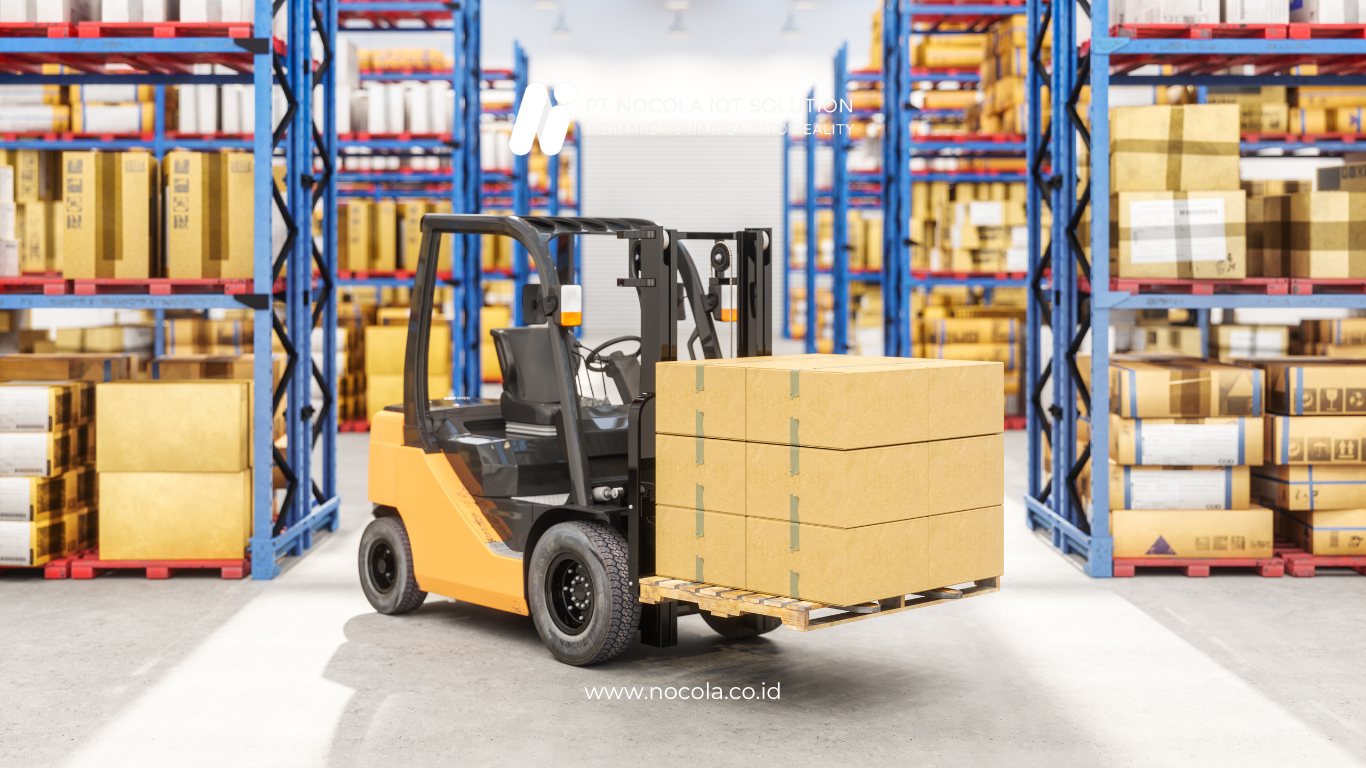
In this era of digital transformation, technology is increasingly changing the way we work, especially in the industrial sector. One of the rising innovations is real-time monitoring of forklift load using the Internet of Things (IoT). Amid the demands for improved operational efficiency and safety, load monitoring systems for forklifts provide a much-needed solution for companies reliant on transporting goods and maneuvering materials at work sites. This article will explain how IoT technology is applied in load monitoring for forklifts, the benefits it brings to the industry, and best practices that can help companies maximize the use of this technology.
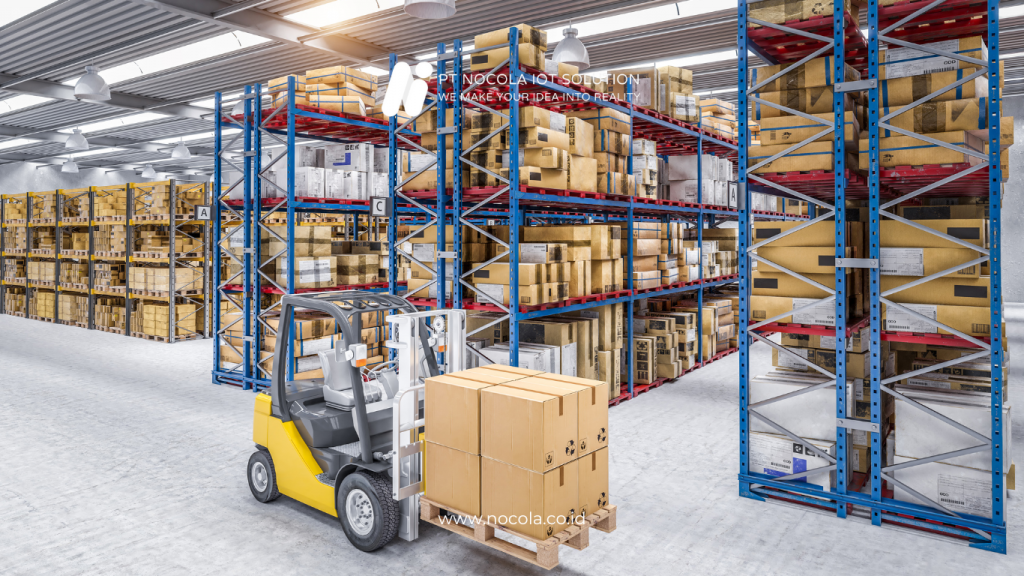
Real-time load monitoring on forklifts based on IoT is a system that uses sensors and devices connected to the internet to measure and report the load carried by forklifts instantly. With data received in real-time, operators can make better and faster decisions regarding loading and transporting goods.
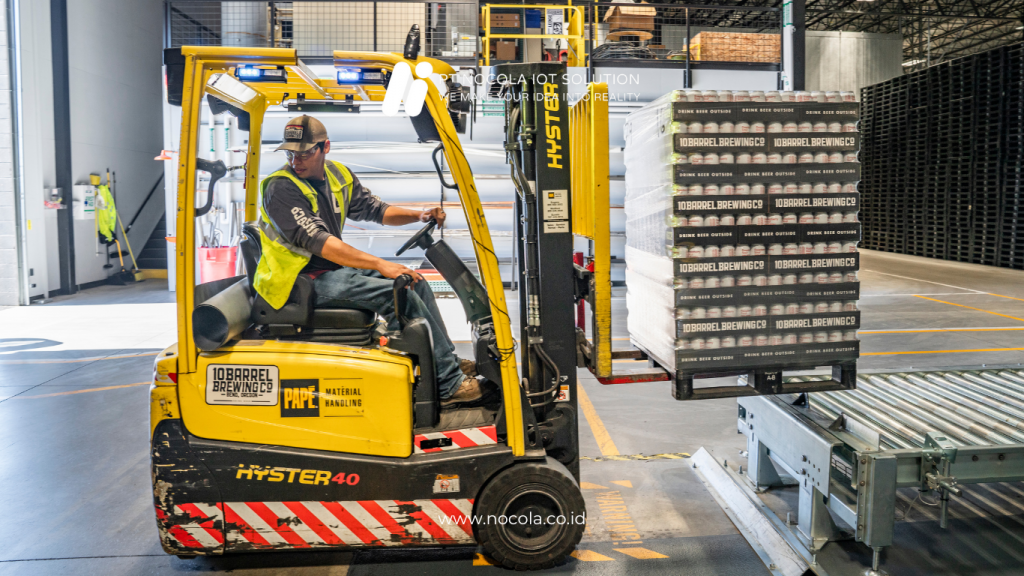
One of the biggest advantages of this load monitoring system is the improvement of operational safety. With accurate data regarding the lifted load, the risk of accidents due to overloading can be minimized. Forklift operators can avoid potentially dangerous situations.
By monitoring the load in real-time, companies can enhance overall operational efficiency. The data generated allows managers to maximize forklift usage, reducing the time spent on loading and transporting.
With a system that can monitor load, companies can reduce maintenance costs associated with wear and damage from excessive forklift usage.
Direct access to accurate information enables faster, data-driven decision-making for all parties involved, from operators to managers.
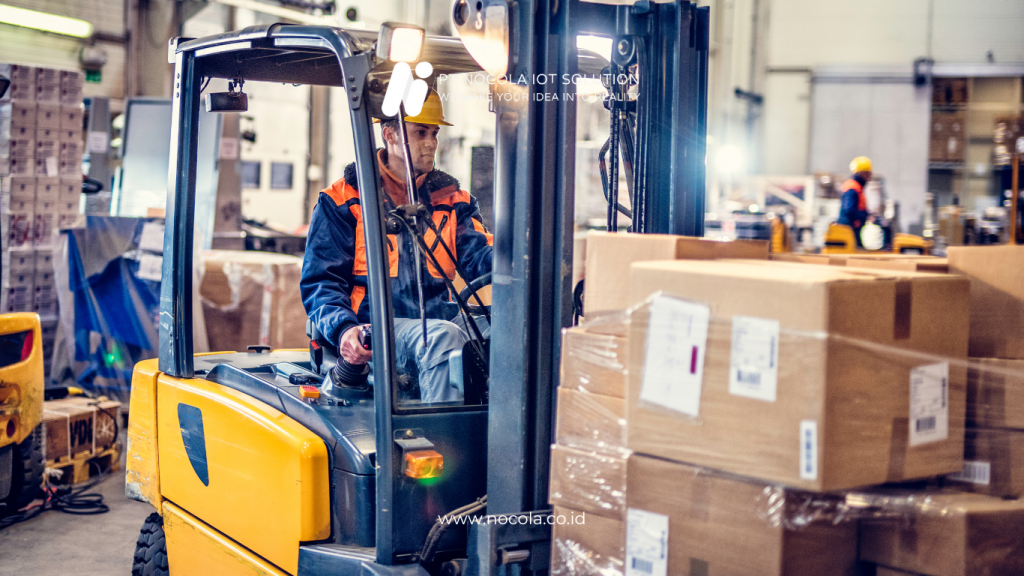
IoT systems provide accurate data in real-time. This is crucial for the safe and efficient handling of materials.
With continuous monitoring, companies can quickly respond to changing operational needs, whether it involves reducing or increasing workload.
Data collected from the system can be analyzed to gain insights into operational patterns, enabling ongoing improvements in business processes.
Efficient load data management also means reducing waste and environmental impact, aligning with the company’s efforts to operate sustainably.

In the manufacturing industry, this technology is crucial as forklifts are often used to move raw materials and finished products. With accurate monitoring, production efficiency can be significantly improved.
Distribution companies can use this monitoring system to improve inventory management and control shipping costs, ensuring that goods arrive at their destinations in optimal condition and on time.
At construction sites, monitoring forklifts helps in the movement of heavy materials and ensures that operations are conducted safely, reducing the risk of work-related accidents.
In retail, load monitoring can enhance warehouse management efficiency and the loading process when preparing products for store delivery.
In the energy industry, monitoring the use of forklifts to move heavy equipment and hazardous materials can be well managed, maintaining workplace safety while ensuring efficiency.

Provide regular training and refreshers for employees on how to use IoT systems in forklifts to maximize functionality.
Schedule maintenance for forklift systems and hardware to ensure everything works optimally.
Customize monitoring features based on the specific operational needs of your business. Customization enhances user experience and efficiency.
Schedule routine evaluations to analyze data and understand patterns and trends, which can help in strategic decision-making.
Real-time load monitoring on forklifts based on IoT is an effective solution for improving efficiency, safety, and sustainability across various industrial sectors. By leveraging this technology, companies can reduce operational costs, enhance productivity, and address challenges that arise in this digital era.
Nocola is committed to bringing innovation to forklift management and providing solutions that support sustainability and efficiency across various sectors.