Physical Address
304 North Cardinal St.
Dorchester Center, MA 02124
Physical Address
304 North Cardinal St.
Dorchester Center, MA 02124

In the midst of rapid growth in the world of technology, Internet of Things (IoT) has emerged as one of the main driving forces behind the transformation of how we live our daily lives and run businesses. The integration of smart devices with the internet not only improves operational efficiency but also opens new opportunities for innovation and product development. In this article, we will delve deeply into why IoT is crucial for the future of industry and technology, as well as its impact on various sectors.
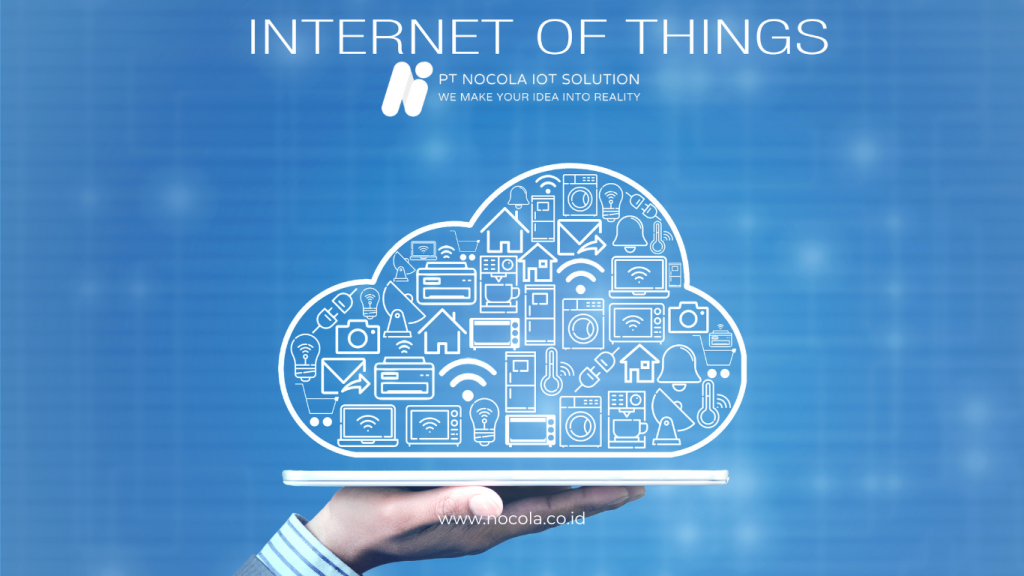
Internet of Things (IoT) refers to the concept where physical devices can connect and communicate with one another via the internet. These devices can range from small sensors to household appliances and large industrial machines. With this connectivity, data can be collected, analyzed, and used to enhance processes and decision-making.
IoT works by connecting devices to an internet network. Once connected, devices send data through existing sensors, which can then be processed and analyzed on cloud-based platforms. The analyzed data can be used to monitor device conditions, conduct predictive maintenance, and improve operational efficiency.
In industries, IoT enables real-time monitoring and management of devices in a more efficient manner. With automation systems supported by IoT, companies can reduce downtime, optimize their resource usage, and lower operational costs. For example, the manufacturing sector can use IoT to monitor machine performance and quickly detect potential issues.
IoT provides organizations with access to accurate and up-to-date data, enabling better decision-making. The data obtained from IoT devices can be analyzed to identify patterns and trends, assisting management in formulating more informed strategies.
Amid growing concerns about climate change, IoT helps companies take more responsibility regarding their resource usage. By monitoring energy consumption and emissions, companies can make more sustainable decisions, contributing to global efforts to protect the environment.
IoT opens doors to innovation in the development of new products and services. Companies can collect user data to better understand their needs and preferences, allowing them to create more relevant products and enhance customer experiences.
The connectivity offered by IoT allows for more collaboration between devices and systems. This fosters better communication not just within organizations but also throughout the supply chain, leading to increased overall productivity.
IoT is widely used in the manufacturing sector to monitor and manage machinery, improving production efficiency and ensuring product quality. Integrated systems allow for real-time monitoring and analysis of production data.
In the energy industry, IoT is used to monitor energy consumption and distribution. This helps companies improve efficiency, reduce waste, and meet environmental regulations.
IoT plays a crucial role in healthcare services by facilitating patient health monitoring and data management. Connected medical devices allow patient data to be collected and analyzed in real-time, improving the quality of care.
In the transportation sector, IoT is used for fleet management, shipment tracking, and route optimization. This helps reduce travel time and operational costs.
IoT can also be applied in agriculture to monitor soil conditions, moisture, and weather. This enables farmers to make better decisions regarding irrigation and fertilization, improving crop yields and efficiency of resource use.
Every organization has unique needs. Conducting a thorough business needs analysis is the first step to determine the most suitable IoT solution.
Ensure that the chosen IoT solution can grow alongside the company. Flexibility in adapting solutions is key to long-term success.
Evaluate the costs of implementing the solution and the potential return on investment (ROI). Choose a solution that is not only affordable but also delivers added value to the company.
Select a vendor that offers good after-sales support and training for staff. Proper education and training will ensure that the technology adapted can be used effectively.
Internet of Things (IoT) plays a very significant role in transforming how industries operate in the digital era. With the right IoT technology, such as that offered by Nocola, companies can enhance operational efficiency, reduce costs, and achieve sustainability.
The adoption of digital transformation is not just an alternative but a necessity to remain competitive in an increasingly tight global market. Let us explore the potential of technology together to create a smarter and more sustainable industrial future!

