Physical Address
304 North Cardinal St.
Dorchester Center, MA 02124
Physical Address
304 North Cardinal St.
Dorchester Center, MA 02124
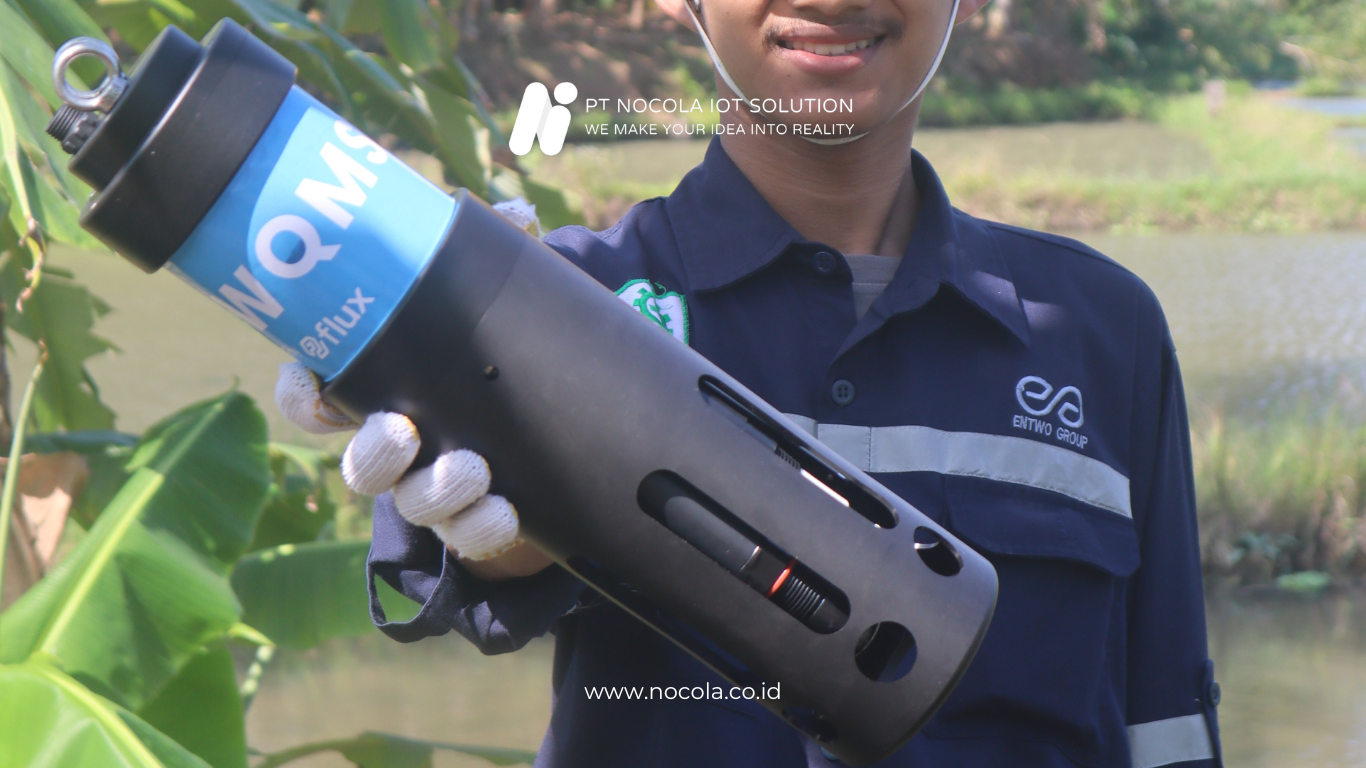
Water quality has become a major issue worldwide, especially with the increasing challenges of pollution and water scarcity. In this context, Water Quality Management System (WQMS) from Nocola offers innovative solutions for effective monitoring and management of water quality. This article will discuss how WQMS helps ensure water quality is maintained, the benefits it offers for various sectors, and the importance of technology in sustaining the environment.
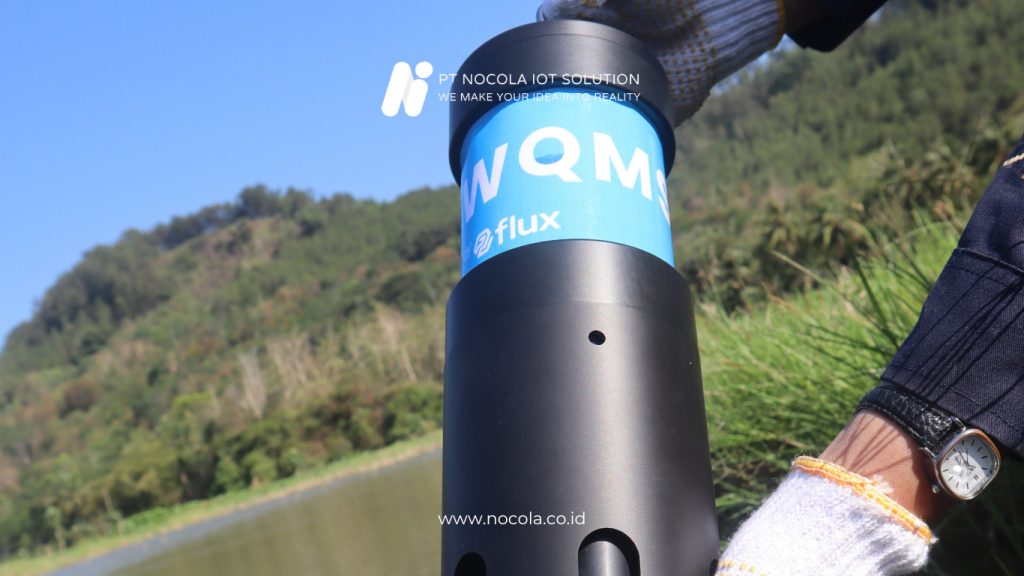
WQMS (Water Quality Management System) is a system used to continuously monitor, analyze, and report water quality. WQMS technology includes the use of sensors to measure various parameters, such as pH, temperature, dissolved oxygen, and other contaminants, all of which are essential for ensuring safe water use.
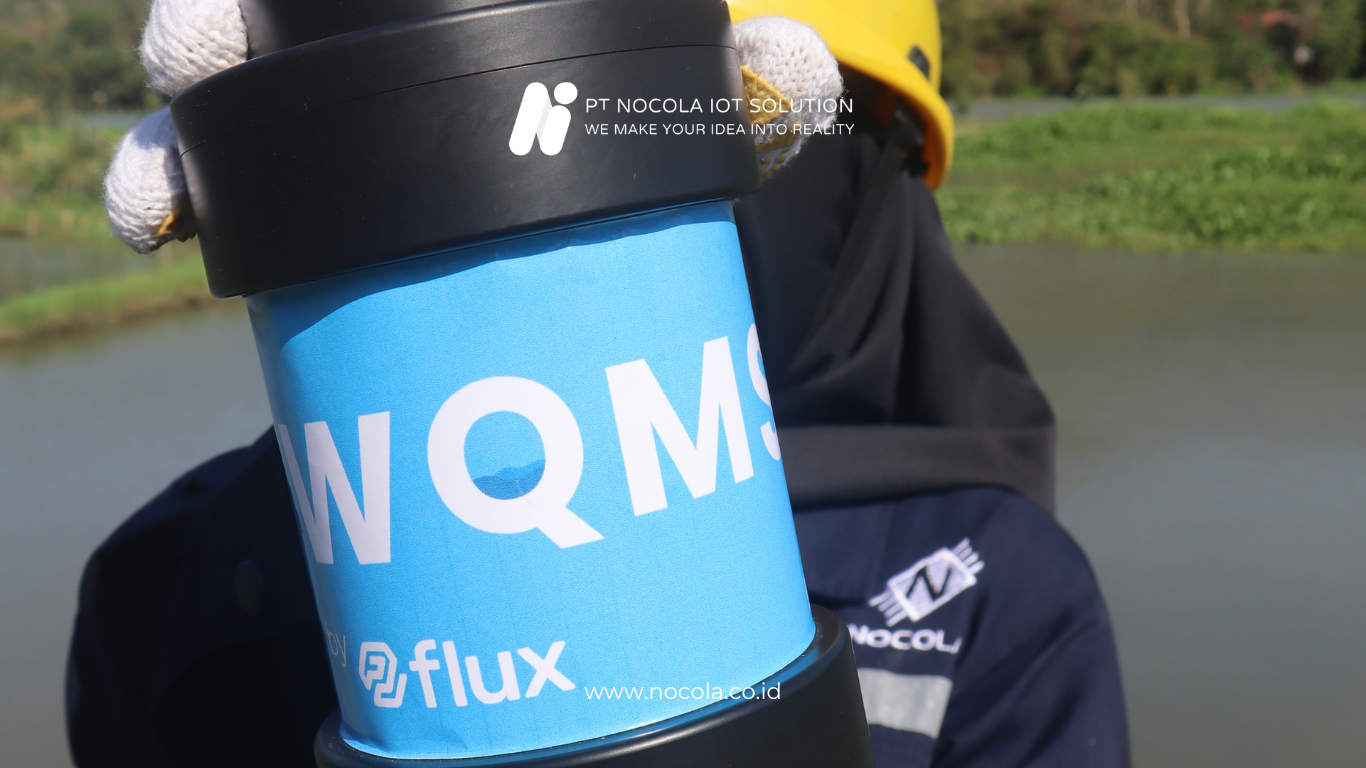
Poor water quality can lead to various diseases. With monitoring systems like WQMS, information about water quality can be accessed in real-time, enabling prompt actions to be taken if pollution is detected.
Contaminated water has the potential to damage ecosystems. WQMS helps track and manage pollution, keeping ecosystems balanced and functioning properly.
With increasingly strict environmental regulations, monitoring water quality has become mandatory. WQMS assists companies and agencies in complying with these regulations, avoiding fines and penalties that may arise.
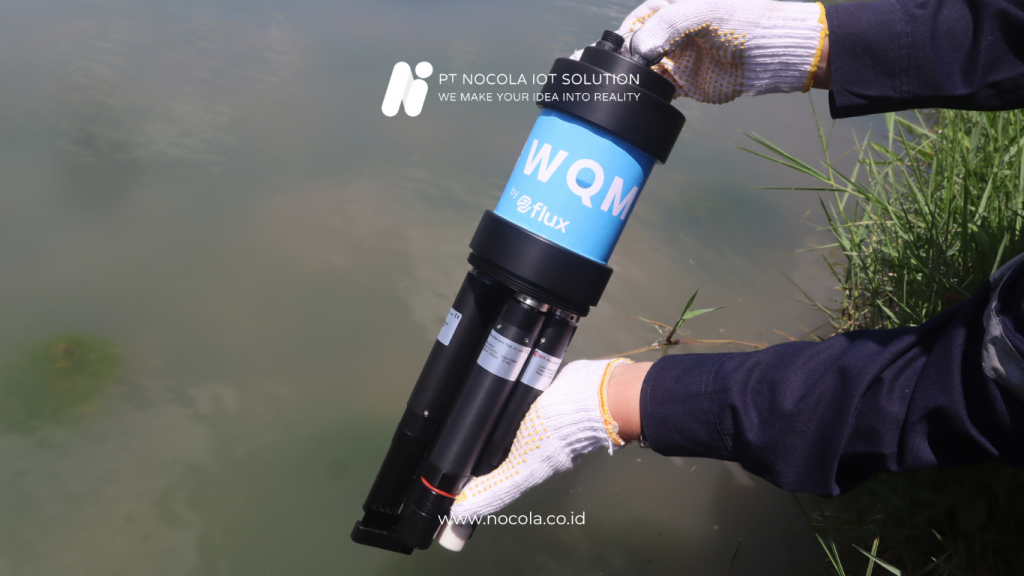
WQMS operates by collecting data from various monitoring points. Sensors placed at strategic locations such as rivers, lakes, and water treatment installations automatically measure water quality parameters and send the data to a central system.
The collected data is then analyzed to evaluate water quality. WQMS employs complex algorithms to recognize patterns and anomalies in the data, aiding in early detection of pollution.
After the data is analyzed, WQMS generates reports that provide information about the current water quality conditions. These reports can be used by decision-makers to take necessary actions to maintain water quality.
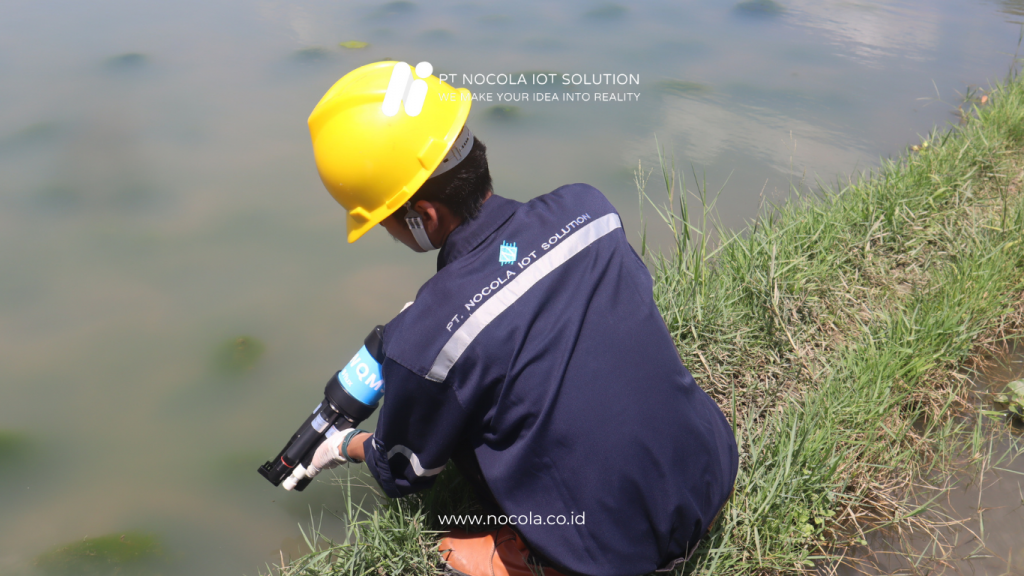
In the mining sector, WQMS is crucial to ensure that waste generated does not pollute water sources. With good monitoring, companies can stop contamination before it becomes a major issue.
In agriculture, WQMS helps farmers monitor water quality in irrigation fields, ensuring that crops receive clean and safe water.
In power plants, WQMS is used to monitor the quality of water used in electricity production processes, ensuring that the water meets established standards.
In healthcare services, this system helps ensure that the water used in hospitals and clinics is safe for patients, contributing to better care.
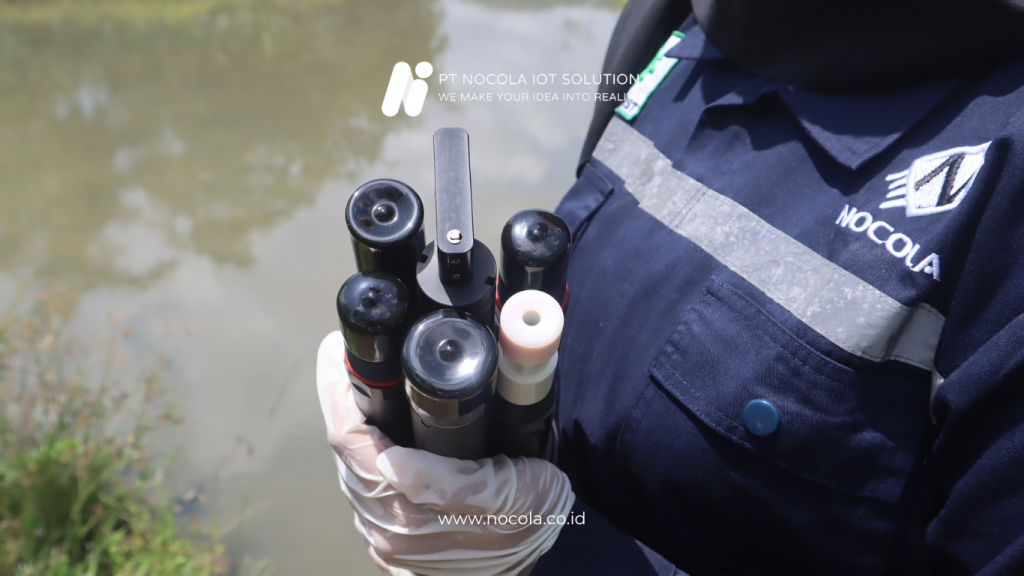
WQMS utilizes advanced sensors that provide more accurate and quicker data. With the integration of IoT technology, these sensors can send real-time data to a central system.
With cloud-based storage, data can be accessed anytime and anywhere, allowing easier analysis and better collaboration between teams.
In further development, WQMS is starting to implement predictive analytics to anticipate changes in water quality and provide early warnings before issues arise.
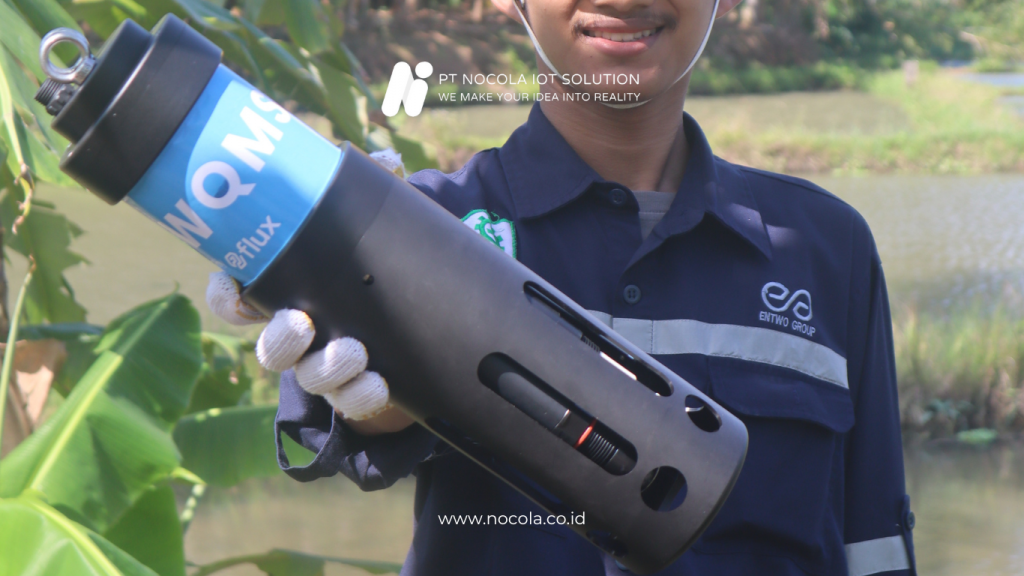
Creating a structured implementation plan is a crucial first step. This should include identifying strategic monitoring points and the types of sensors to be used.
Involving all stakeholders in the implementation process ensures that all needs are considered and integrated properly.
Providing effective training to users on how to use WQMS technology is essential to achieve maximum results.
Conduct regular evaluations to monitor the ongoing effectiveness of WQMS and collect feedback from users to ensure continuous improvement.
Water Quality Management System (WQMS) is a vital tool for maintaining and improving water quality. With advanced technology enabling efficient monitoring and analysis, WQMS assists companies and institutions in meeting environmental and public health needs.
With proper implementation, WQMS contributes not only to pollution reduction but also to the sustainability of water resources. Let us work together to support the use of technology in creating a cleaner and greener future!

