Physical Address
304 North Cardinal St.
Dorchester Center, MA 02124
Physical Address
304 North Cardinal St.
Dorchester Center, MA 02124

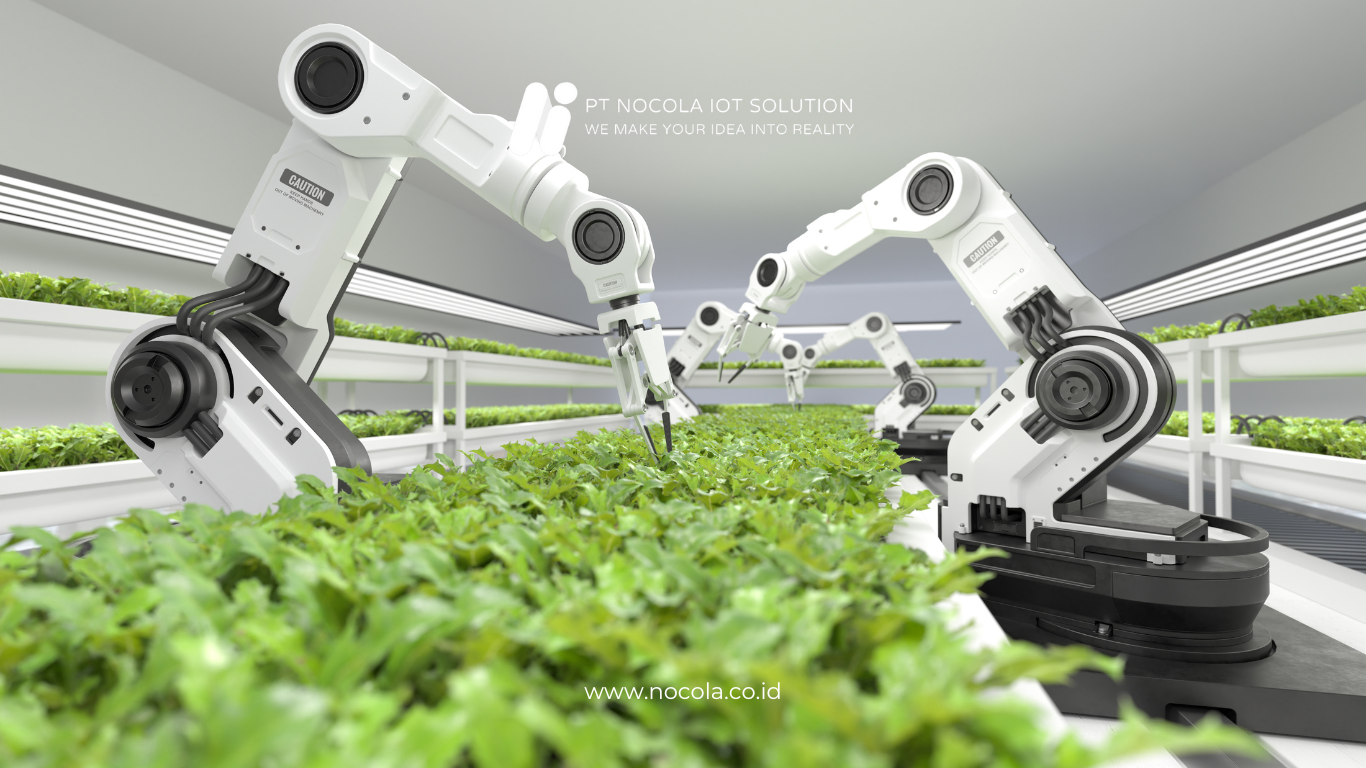
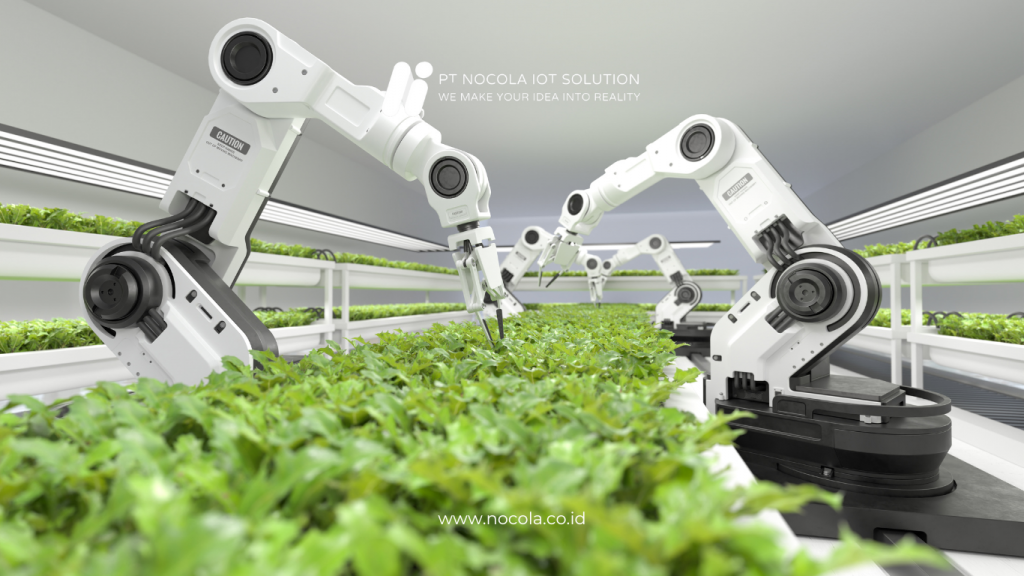
Agriculture has become one of the sectors most affected by climate change and the growing demand for food globally. In facing these challenges, smart agriculture powered by Internet of Things (IoT) offers innovative solutions to enhance efficiency, productivity, and sustainability. This article will discuss how IoT technology can optimize crop yields in the agricultural sector, the benefits it offers, and various real-world applications that have proven effective.
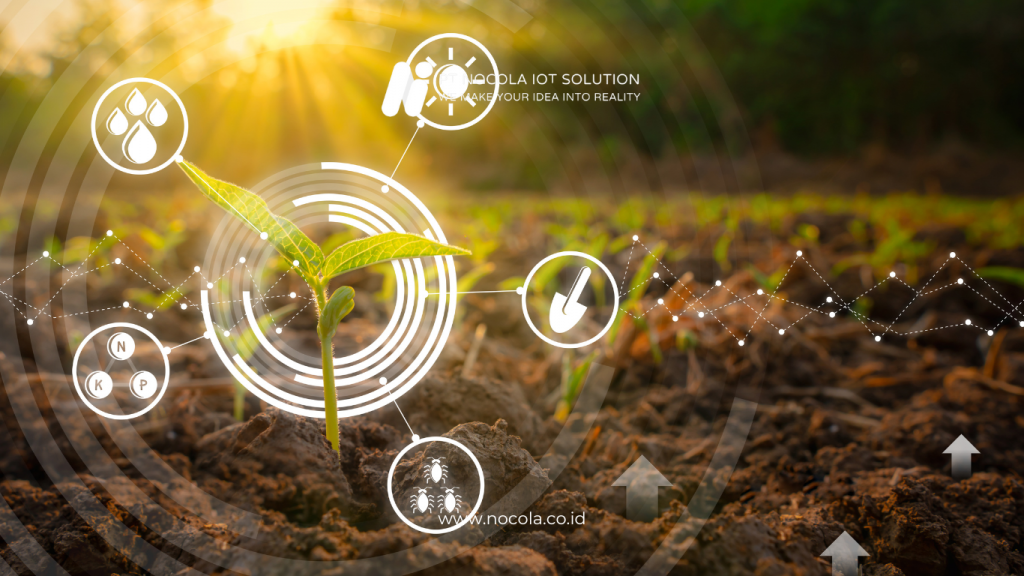
Smart agriculture refers to the use of modern technology, such as IoT, to improve the quality and quantity of agricultural outputs. By using connected devices and monitoring systems, farmers can better manage their land, from water usage to pest control, thereby creating more efficient and environmentally friendly farming methods.
IoT technology enables better monitoring of water, fertilizer, and other inputs. With accurate data, farmers can optimize resource use, reduce waste, and save costs.
With real-time monitoring, farmers can respond promptly to emerging issues such as pests or nutrient deficiencies that can affect crop yields. In this way, smart agriculture has the potential to significantly increase harvest outputs.
Regular monitoring allows farmers to identify optimal conditions for crops, contributing to higher-quality yields. This is especially valuable for a market that increasingly demands high-quality products.
By minimizing the overuse of pesticides and optimizing irrigation, IoT technology contributes to more environmentally friendly farming practices. This is crucial for maintaining ecosystem balance.
These sensors provide data on soil conditions that help farmers determine the best times for irrigating crops, thus preventing water waste. For example, moisture sensors can be installed at various soil depths to measure water needs more accurately.
Through a combination of sensors and IoT, smart irrigation systems can operate automatically based on soil and weather conditions. This helps farmers save water and maintain necessary soil moisture levels.
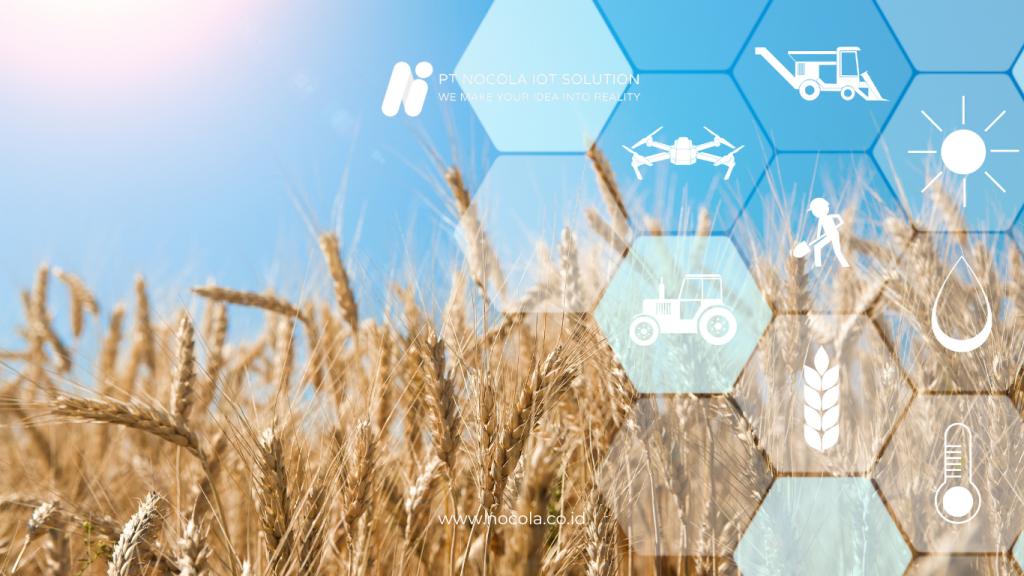
Drones can be used for land surveying and identifying areas that require attention. By using remote sensing technology, farmers can gather accurate data about plant health and soil moisture.

With more efficient and sustainable agricultural practices, negative impacts on the environment can be diminished. Better monitoring helps maintain soil quality and water resources.
By improving crop yields and product quality, IoT technology contributes to global food security. Smart agriculture helps meet the increasing food demands due to a growing population.
Innovations in the agricultural sector not only increase crop yields but also provide greater economic benefits for farmers. By reducing costs and increasing income, this technology contributes to the welfare of local communities.
Companies must provide education and training for farmers and employees on how to use IoT technology and Digital LogSheet. This will help reduce reliance on traditional methods and assist them in adapting to existing changes.
Selecting the appropriate solution for specific needs is a key step in implementing IoT technology in agriculture. Involving employees throughout the selection process will enhance adoption and effectiveness.
Companies must assess and improve existing infrastructure to support the new system implementation. Ensuring reliable internet connection and adequate hardware is crucial.
Monitoring water quality and utilizing IoT technology is a vital step for the future of sustainable agriculture. With innovative solutions such as Digital LogSheet, farmers can manage operational data more efficiently, reduce waste, and increase crop yields.
In this digital era, adopting technology is not just about following trends; it is also about creating a positive impact on the environment and public health. Together, let us embrace a cleaner and more sustainable agricultural future by leveraging the potential of available technologies.

