Physical Address
304 North Cardinal St.
Dorchester Center, MA 02124
Physical Address
304 North Cardinal St.
Dorchester Center, MA 02124


In the increasingly competitive manufacturing industry, companies are required to work more efficiently, comply with environmental regulations, and improve product quality. One tool that can assist companies in achieving these goals is CEMS.ID (Continuous Emission Monitoring System) from Nocola. This emission monitoring system is designed to provide real-time data on harmful gas emissions produced by industrial processes. This article will delve into how CEMS.ID can help optimize plant performance, providing significant benefits for operational efficiency and environmental sustainability.

CEMS.ID is a continuous emission monitoring system used to measure, analyze, and report gas emissions from factories and other industrial facilities in real time. CEMS.ID is designed to help companies meet strict environmental regulations while providing the necessary data to improve operational efficiency.

Many countries have strict regulations related to industrial emissions. Using CEMS.ID helps companies ensure that they comply with all established limits, avoiding penalties that could be detrimental to their operations.
Hazardous gas emissions can have serious impacts on public health. With effective monitoring, companies can quickly take steps to minimize these risks.
Companies that are proactive in monitoring and reducing emissions tend to have a better image in the eyes of the public and stakeholders. This is essential for building trust and customer loyalty.
By monitoring emissions in real time, companies can identify areas for improvement in their operational processes. Higher efficiency results in cost savings and productivity increases.
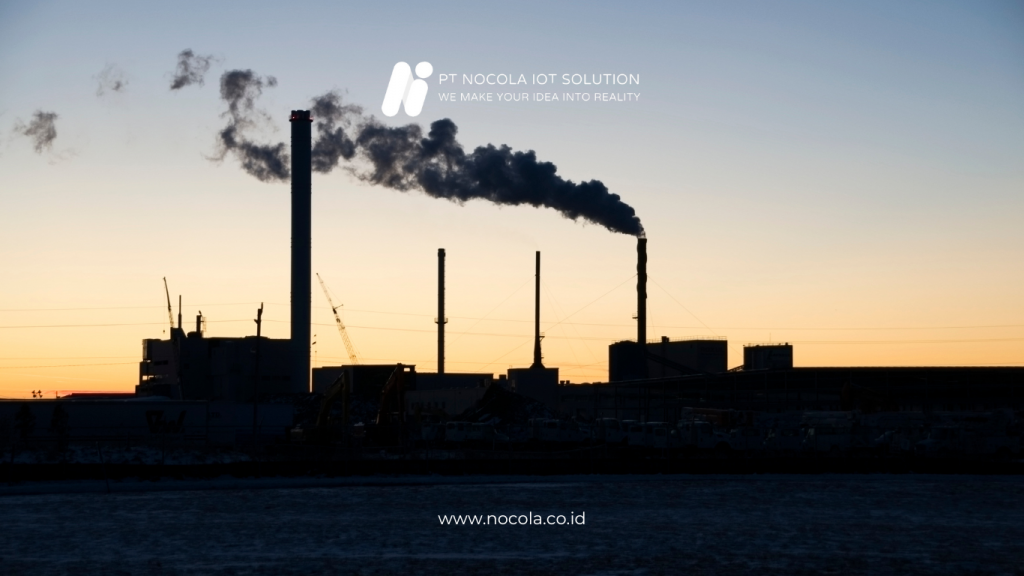
CEMS.ID is developed to provide high accuracy in emission monitoring. With advanced sensors, the data collected reflects real conditions, allowing management to make decisions based on valid information.
Through continuous monitoring, CEMS.ID helps companies detect potential anomalies in emissions early. If there is a sudden spike in gas emissions, the system can send alerts to technicians immediately.
CEMS.ID can integrate with automated systems that allow corrective actions to be taken immediately without human intervention. For example, if emission levels exceed the set limits, the system can automatically modify processes to reduce emissions.
Collected data can be analyzed to understand emission patterns and identify factors contributing to increased emissions. This helps companies formulate long-term strategies for emission reduction.

Energy companies often utilize CEMS.ID to monitor emissions from power plants. With accurate data, they can ensure that operations comply with established emission limits and manage their environmental impact more effectively.
In the manufacturing sector, CEMS.ID is used to oversee gas emissions from production processes. The data obtained helps managers enhance production lines and maintain product quality.
A car manufacturing plant that implemented CEMS.ID successfully reduced VOC (volatile organic compounds) emissions by 25% within a year of deploying this system. Through data analysis, they identified processes potentially producing high emissions and implemented corrective steps.
In the food and beverage industry, CEMS.ID helps maintain safety and quality standards by ensuring that production processes do not pollute the environment.
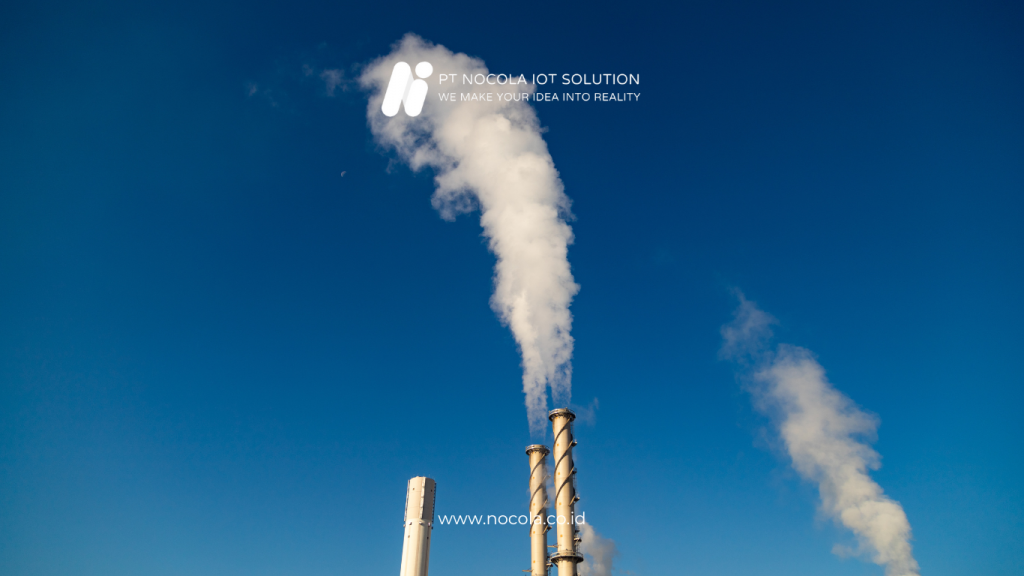
Collected data can be stored and accessed through the cloud, providing flexibility in monitoring and analysis. Companies can view reports and emissions performance anytime and anywhere.
Advanced analytical modeling combined with machine learning allows companies to predict future emission trends and proactively make improvements.
CEMS.ID from Nocola represents a crucial solution in maintaining environmental quality and supporting industrial sustainability. By utilizing accurate and real-time emission monitoring technology, companies can ensure compliance with regulations and minimize negative environmental impacts.
In facing global challenges such as climate change, the adoption of solutions like CEMS.ID is a strategic step that benefits not only companies but also public health and our planet. Let us work together to build a cleaner and more sustainable future by leveraging the right technologies!