Physical Address
304 North Cardinal St.
Dorchester Center, MA 02124
Physical Address
304 North Cardinal St.
Dorchester Center, MA 02124

In the face of global challenges related to climate change and the need to reduce operational costs, compliance with environmental regulations has become a critical factor for companies worldwide. In Indonesia, numerous regulations govern harmful gas emissions and water resource usage, prompting companies to adopt new technologies to meet these requirements. CEMS.ID (Continuous Emission Monitoring System) and WQMS (Water Quality Management System) from Nocola are innovative solutions that provide real-time monitoring systems for emissions and water quality. This article will discuss how both systems assist companies in complying with environmental regulations and support sustainability goals.

Poor air and water quality can have severe impacts on public health. With the enforcement of strict regulations, companies are expected to be accountable for the emissions and pollutants they produce. Good compliance not only protects the environment but also safeguards public health.
Companies that comply with environmental regulations and are committed to sustainability gain a significant competitive advantage. This creates a positive image with customers, partners, and stakeholders who are increasingly concerned about environmental issues.
Violations of environmental regulations can result in penalties and fines that can be financially damaging. By implementing appropriate monitoring systems, companies can avoid legal risks.
Compliance with regulations encourages companies to innovate in their operations. By leveraging environmentally friendly technologies, they can achieve greater efficiencies and support long-term sustainability goals.
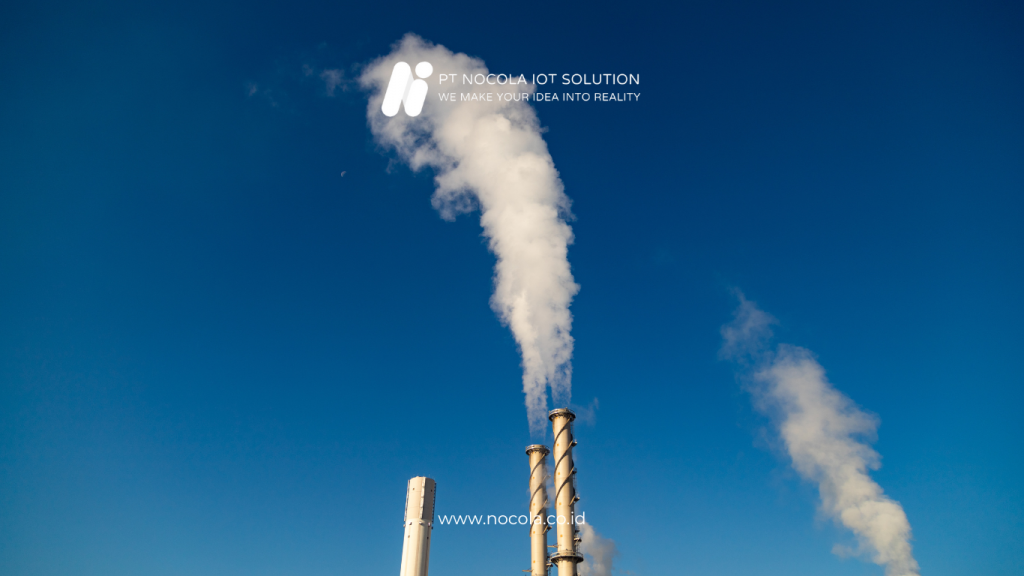
CEMS.ID is an emission monitoring system designed to continuously measure and record gas emissions from various industrial sources. This system provides real-time data on emissions produced, enabling companies to take swift action during emergencies.
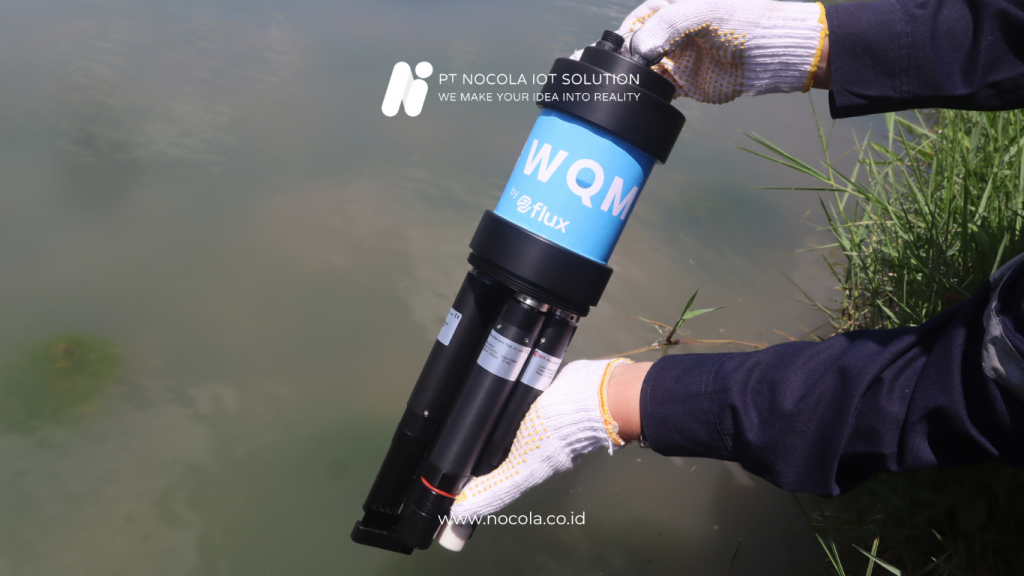
WQMS (Water Quality Management System) is a solution designed to automatically monitor, analyze, and report on water quality. With this system, companies can maintain water quality standards and evaluate the operational impact on the environment.

Before implementation, companies must conduct a thorough analysis to determine which emissions and water quality parameters need monitoring. Identifying emission sources and strategic measurement points is crucial.
Involve the selection of suitable tools and sensors needed to collect data. Ensure that the selected devices are compatible with the CEMS.ID and WQMS systems.
Install sensors at strategic locations according to the analysis conducted. Proper installation is critical to obtaining accurate data.
Providing adequate training for employees who will use the systems is essential to ensure they understand and can effectively utilize the technology.
After implementation, it is essential to regularly monitor the system’s performance. Gather user feedback to assess and make adjustments effectively.
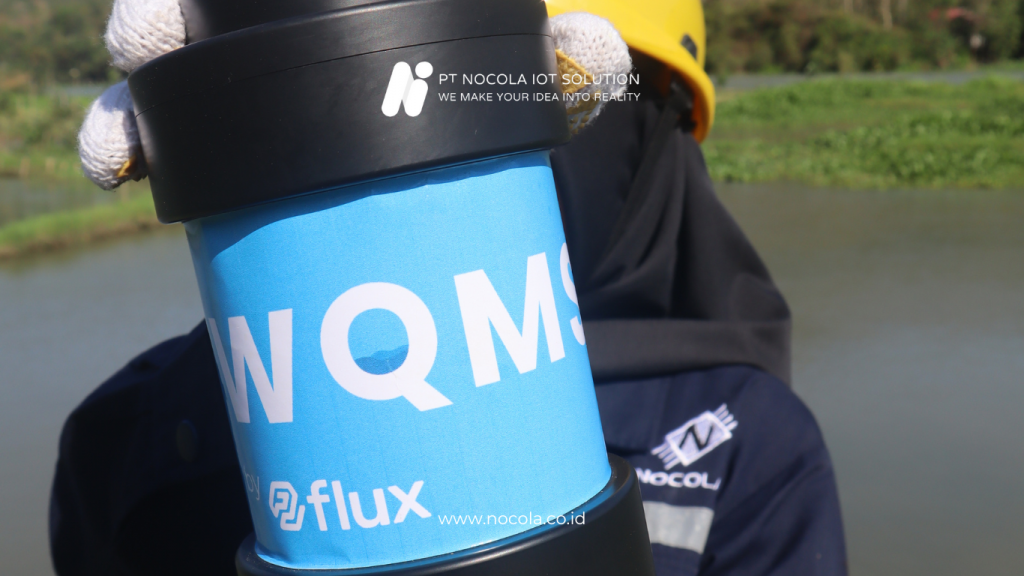
By implementing CEMS and WQMS, companies can fulfill the regulations set by the government regarding water quality and emissions.
These systems help manage energy and raw material usage more efficiently, optimizing costs.
With accurate monitoring and data, companies can take steps to enhance internal procedures and the quality of the products they produce.
The availability of clear and accurate data enhances transparency within the company, ensuring accountability and building trust with stakeholders.
CEMS.ID and WQMS from Nocola are innovative solutions that play a crucial role in maintaining compliance with environmental regulations and improving operational performance in the industry. By implementing real-time emission monitoring systems, companies can better adapt to environmental challenges.
The combination of advanced technology in emission and water quality monitoring presents significant opportunities to ensure sustainable operations for companies in the future. With the right steps in implementation and data management, your company can move towards a more sustainable and environmentally friendly industrial era.

