Physical Address
304 North Cardinal St.
Dorchester Center, MA 02124
Physical Address
304 North Cardinal St.
Dorchester Center, MA 02124

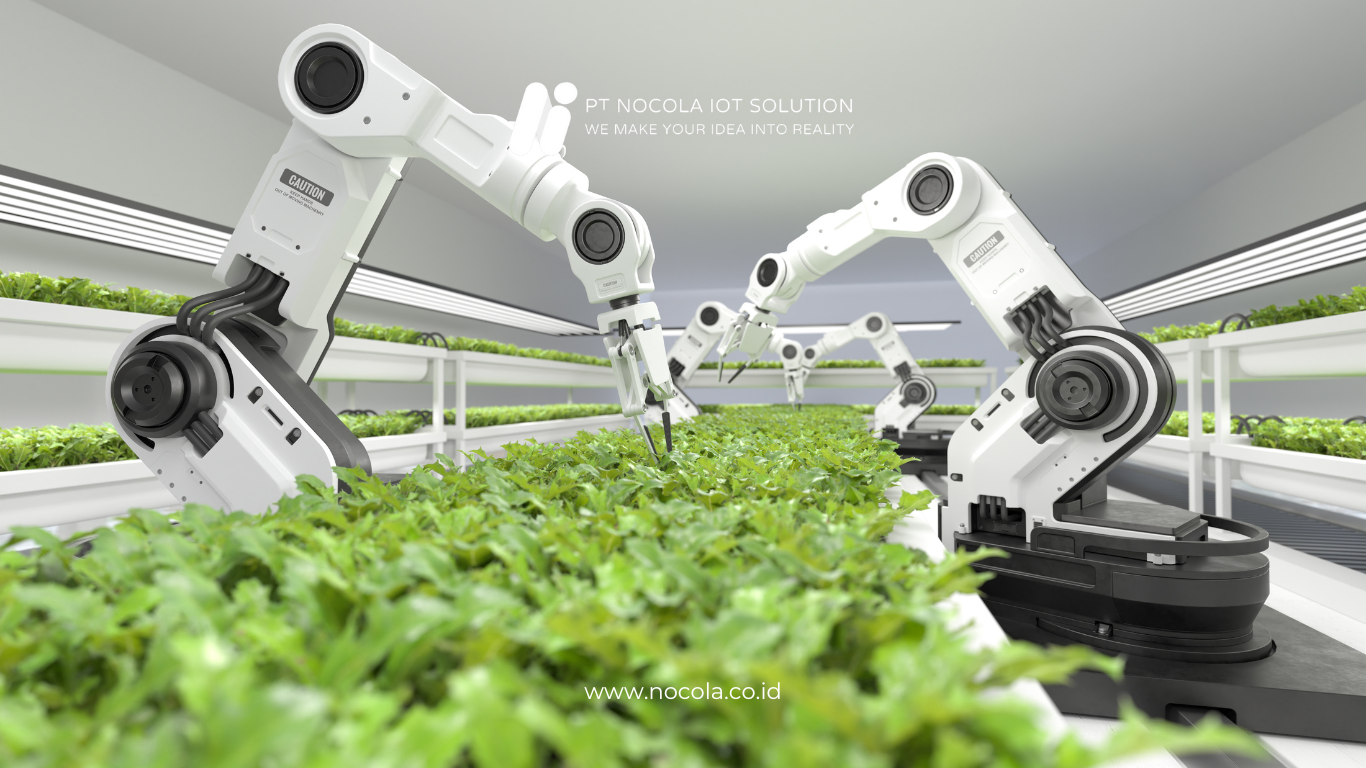
With the increasing global population and the challenges faced in sustainable food production, precision agriculture has emerged as a smart solution to optimize agricultural yields. Smart agriculture integrates high technology and eco-friendly practices to manage resources efficiently. Among the advanced technologies that play key roles in precision agriculture are soil sensors and earth robots. This article will discuss the roles of both in the agricultural revolution of the modern era, as well as the benefits they provide to farmers and the environment.
Read More: Advanced Agricultural Technology: Increasing Food Production with Smart Farming
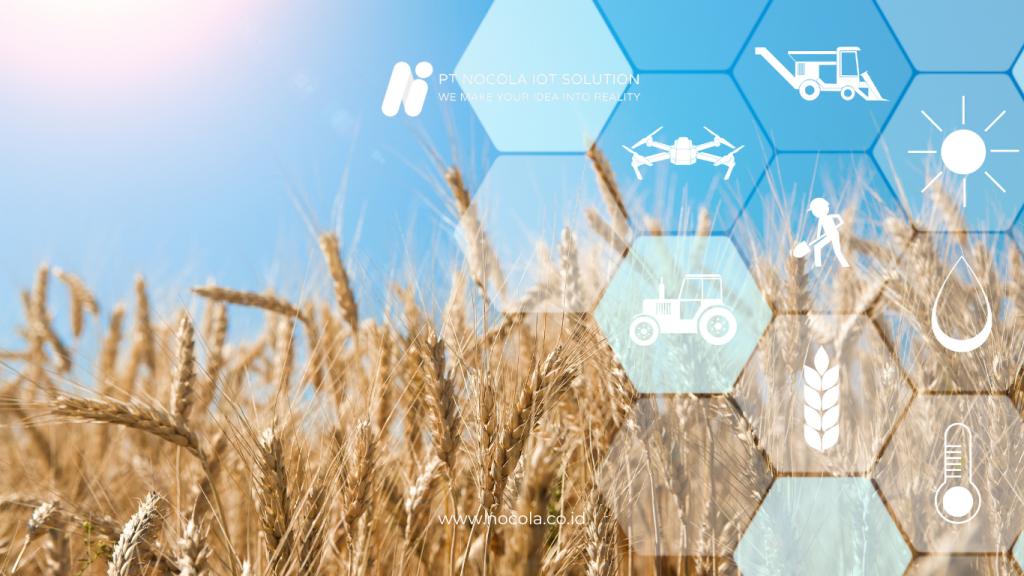
Precision agriculture is a modern approach to farming that leverages technology to monitor and manage variances within the agricultural environment. The goal is to enhance efficiency in resource use and maximize yields.
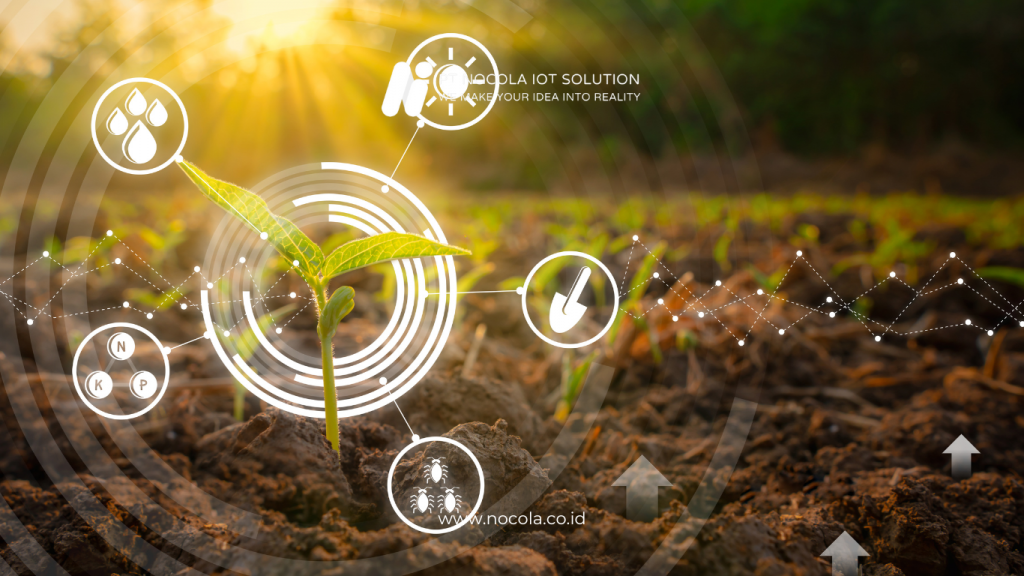
Soil sensors allow farmers to monitor soil moisture levels in real-time. This helps determine the best times to irrigate crops, avoiding water waste.
For instance, sensors can alert farmers when the soil moisture drops below optimal levels, allowing them to irrigate in a timely manner.
Sensors can also be used to measure nutrient levels in the soil. With this data, farmers can adjust their fertilizer use to ensure crops receive the necessary nutrients for optimal growth.
Information from soil sensors provides insights into soil conditions, including potential health issues that may arise. This helps in providing solutions before problems affect crop yields.

Earth robots can perform various tasks, from sowing to harvesting. With automation, farmers can reduce physical workloads and ensure more efficient operations.
Weeding robots that can detect and automatically eliminate weeds help farmers maintain their fields without the need for manual labor.
Robots equipped with sensors and advanced technologies can ensure that harvesting occurs at the right time and in the most efficient way, improving product quality.
Automation reduces dependence on human labor for repetitive tasks. This not only saves costs but also increases productivity.
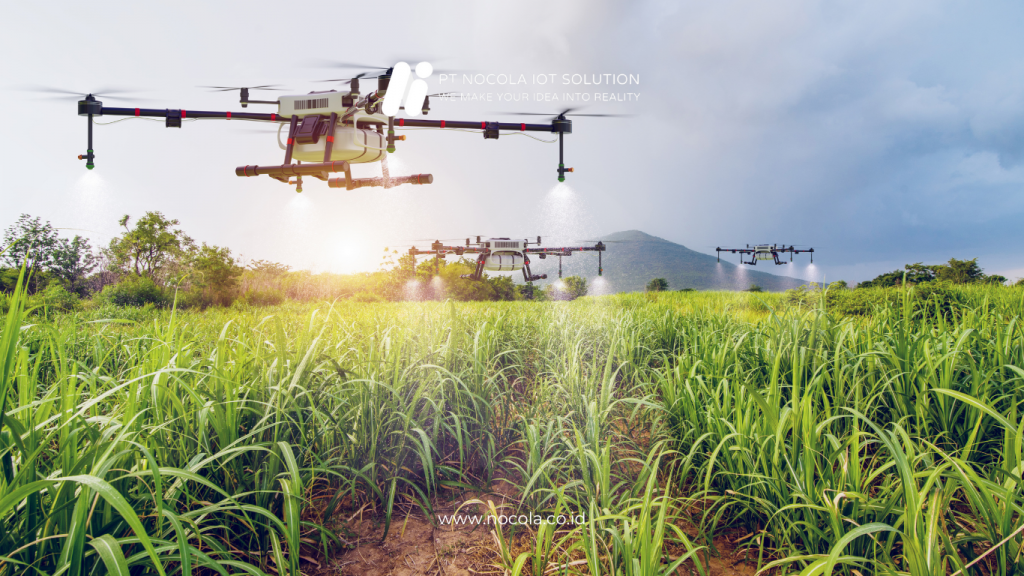
When soil sensors are used alongside earth robots, we achieve a more integrated approach to farming. For example, soil sensors can signal robots when and where irrigation should take place.
Data from sensors connected to robots allows for more responsive and efficient operations. Robots can function based on the collected data, optimizing time and resources used.
With access to continuously updated data, managing all aspects of agriculture becomes more effective. Fertilizer usage, planting times, and pest control can be carried out based on reliable information.

With better monitoring, farmers can use resources more efficiently, thereby reducing waste and maintaining ecosystem health.
Utilizing advanced technology can lead to increased agricultural yields, helping to meet the growing global food needs.
Data from sensors allows farmers to maintain high product quality throughout growth cycles, increasing the market value of products.
Digital Logsheet and advanced technologies in precision agriculture offer many benefits for improving efficiency and sustainability. With better monitoring and automation, farmers can maximize their crop yields while managing resources more effectively.
In light of the challenges faced by the global food sector, adopting technologies like soil sensors and earth robots is not just an option but a necessity. With the right steps, we can all contribute to a cleaner and more sustainable agricultural future.

