Physical Address
304 North Cardinal St.
Dorchester Center, MA 02124
Physical Address
304 North Cardinal St.
Dorchester Center, MA 02124


Water resource management is a crucial aspect of ensuring an adequate and quality supply of clean water. In Indonesia, PDAM faces challenges such as extreme weather changes, increasing supply demands, and risks of leaks or infrastructure damage. Over the past year, Internet of Things (IoT) technology has emerged as a revolutionary solution, helping PDAM manage reservoirs in real-time and more efficiently.
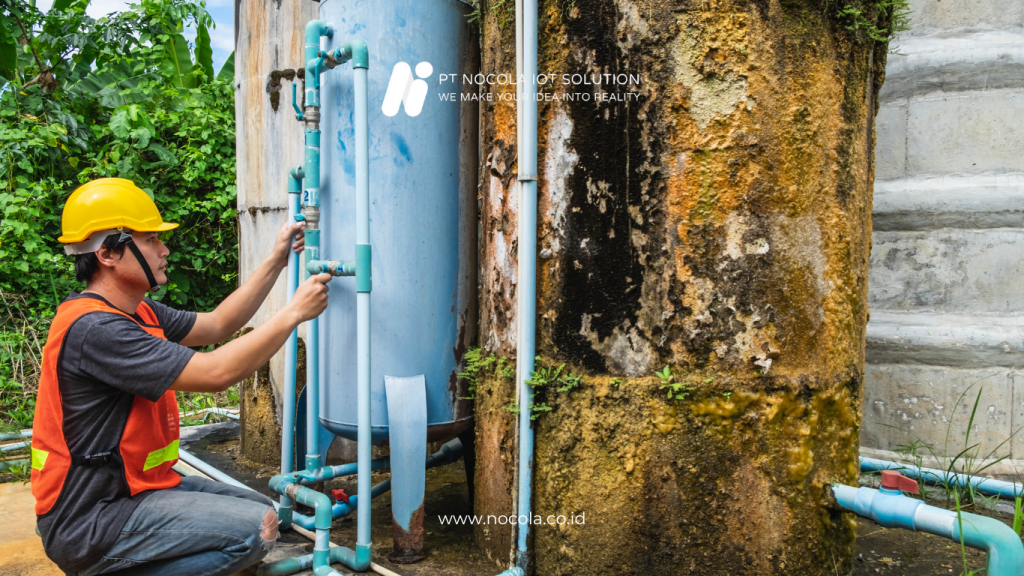
Read More: Water Quality Monitoring System: Real-Time Solution for Clean Water Quality
Reservoir monitoring with IoT involves the application of smart sensors and communication networks to automatically and continuously monitor the conditions of water reservoirs or storage tanks. These sensors measure important parameters such as water levels, temperature, water quality, and leakage.
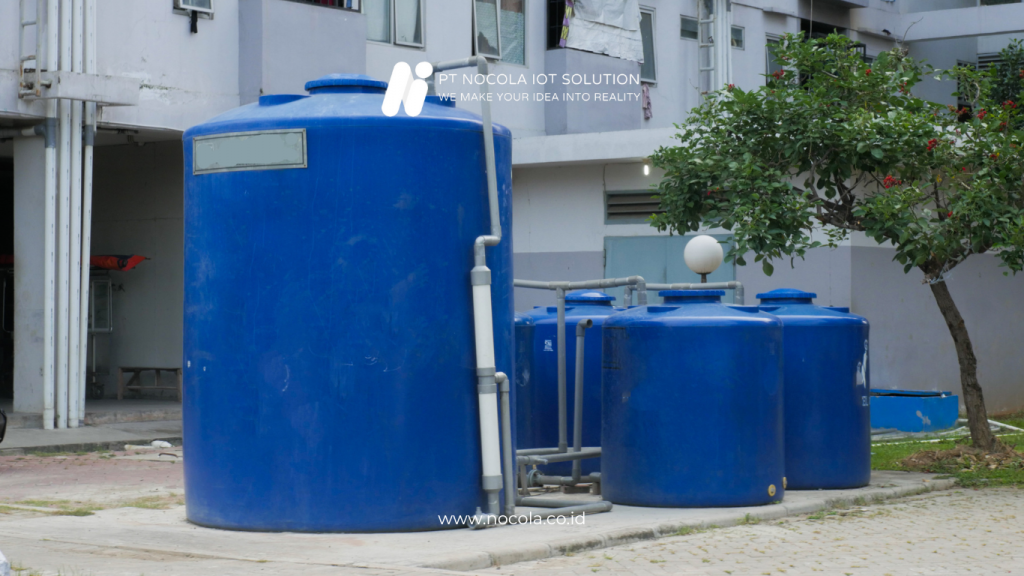
Accurate and immediate data allows PDAM to detect issues early, such as drastic decreases in water volume that may indicate leaks or high evaporation rates.
With automatic and predictive data analysis, PDAM can effectively manage water distribution and plan preventive infrastructure maintenance.
IoT systems reduce the need for costly manual inspections that are prone to errors, minimize water wastage, and optimize energy usage.
The ability to monitor water quality helps PDAM maintain service standards while also responding quickly to incidents of contamination or drought.
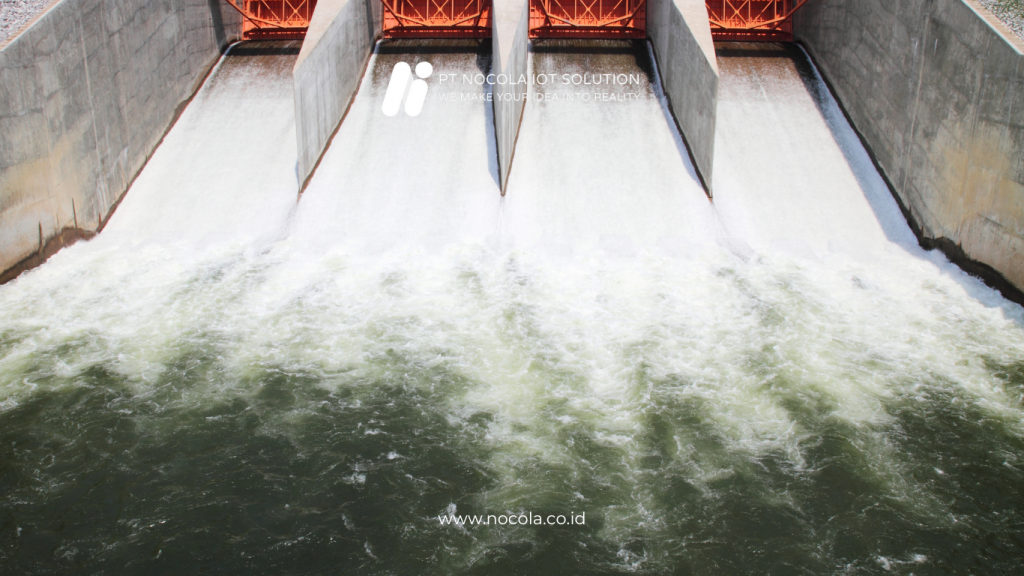
Several large PDAMs in Indonesia have begun adopting IoT solutions for reservoir monitoring. For example, PDAM Jakarta uses smart sensors integrated with a SCADA (Supervisory Control and Data Acquisition) system to maximize water distribution performance.
Reports from an international conference in 2024 indicate that PDAMs implementing IoT successfully increased water supply reliability by up to 25% while significantly reducing non-revenue water losses.
| Challenge | Solution |
|---|---|
| Limited digital infrastructure in rural areas | Strengthening IoT networks with LPWAN and 5G technology |
| Budget constraints for smaller PDAMs | Phased implementation and public-private partnerships |
| Data security and privacy issues | Using encryption security protocols and conducting regular audits |
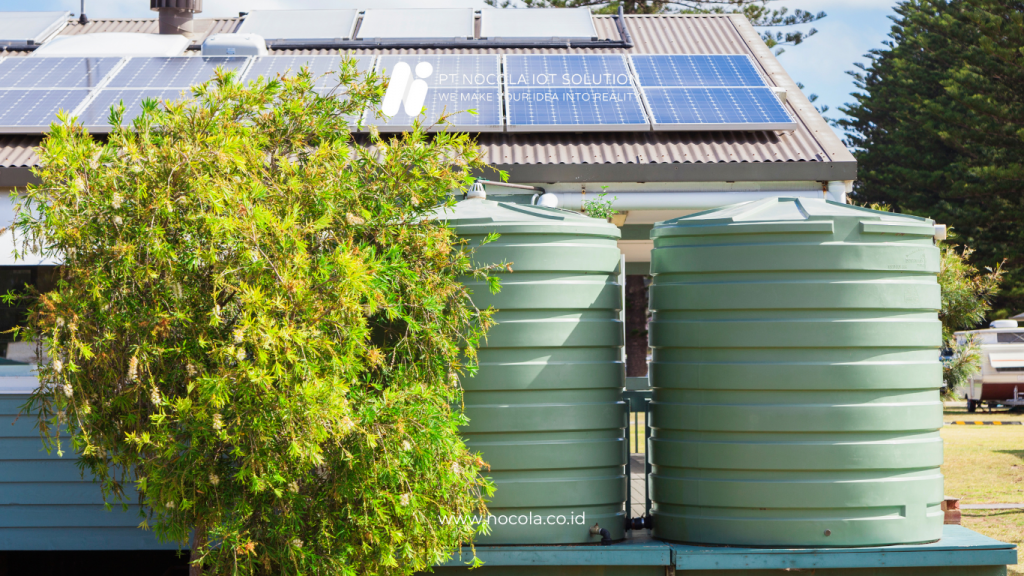
PT Nocola IoT Solution is a pioneer in IoT technology solutions specifically for the water resources and environmental sector. We provide monitoring devices and platforms for PDAM reservoirs with trusted and easily integrated modern technology.
Enhance your reservoir monitoring and optimize your water resource management today! Contact PT Nocola IoT Solution for consultation and demo of our proven solutions that support the success of modern PDAMs.

