Physical Address
304 North Cardinal St.
Dorchester Center, MA 02124
Physical Address
304 North Cardinal St.
Dorchester Center, MA 02124


The cement industry is one of the sectors that significantly contributes to air pollution due to the harmful gas emissions produced during the manufacturing process. Central Java, as one of the largest cement industrial centers in Indonesia, faces challenges in managing emissions to comply with increasingly stringent environmental standards. Over the past year, the use of Continuous Emission Monitoring System (CEMS) has become the best solution for effective and real-time emission control.
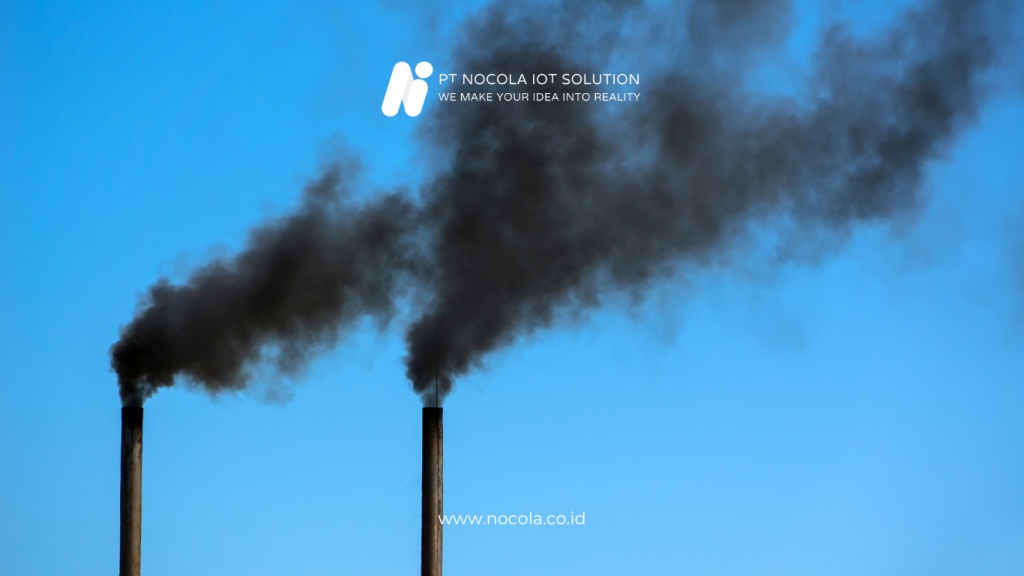
The Continuous Emission Monitoring System (CEMS) is a continuously operating system designed to measure the concentration and volume of gases such as CO, NOx, SO2, and particulate matter. By utilizing advanced sensors and IoT systems, CEMS provides accurate data that is automatically transmitted to a control center for analysis and compliance with environmental regulations.
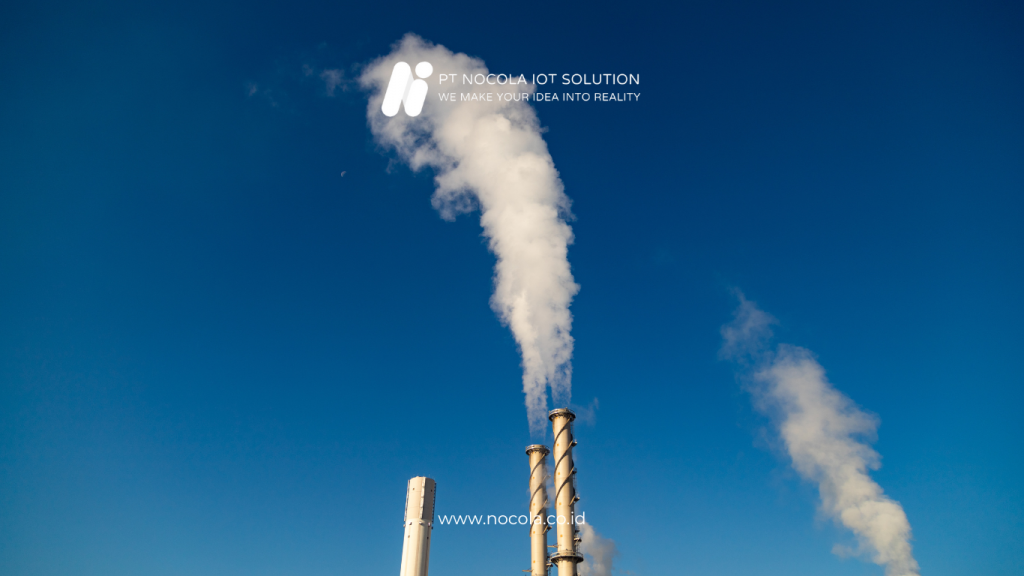
Cement plants in Central Java have begun to adopt CEMS in their operations during 2024-2025. CEMS is installed at strategic points on the plants’ smoke stacks to ensure that all hazardous gas emissions are monitored in real-time.
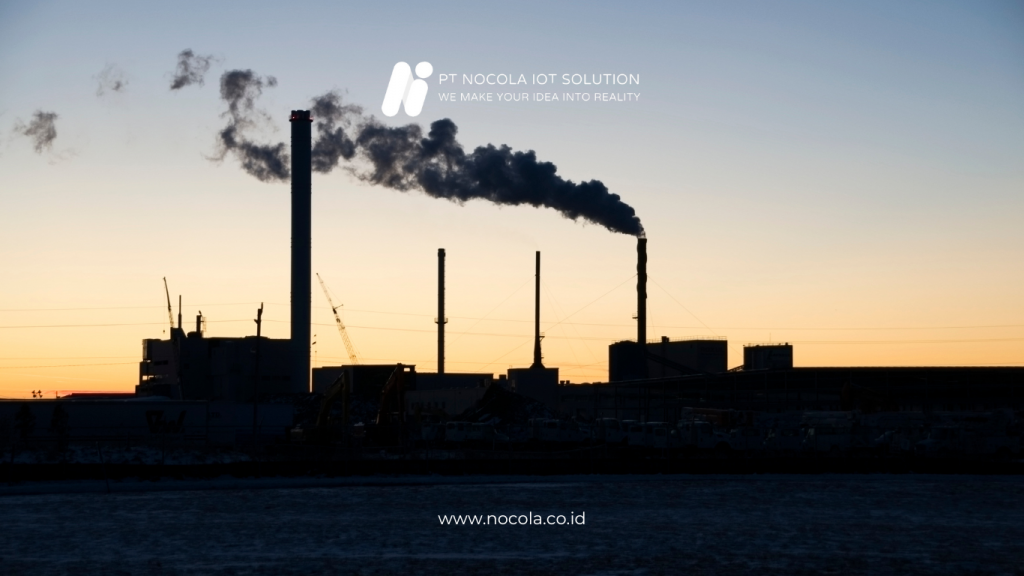
The implementation of CEMS allows cement plants to control and significantly reduce the emissions of NOx, SO2, and particulate matter, contributing to cleaner air and safer conditions for surrounding communities.
Industries that actively control their emissions demonstrate a strong commitment to environmental sustainability, which increases trust from customers and investors.
The implementation of CEMS supports government programs aimed at reducing greenhouse gas emissions and achieving national net-zero emission targets that are being pursued across the country.

| Challenge | Technology and Management Solutions |
|---|---|
| High initial investment in the system | Phased approach with leasing options |
| Operational adjustments to data | Operator training and integration of automated systems |
| Network constraints in remote locations | Use of LPWAN and satellite-based IoT connections |
| Data management and cybersecurity issues | Establishing encryption systems and regular security audits |
PT Nocola IoT Solution provides reliable IoT-based CEMS technology solutions for cement plants and other industries. We offer complete devices, real-time monitoring platforms, and implementation consulting to help your industry easily meet the latest emission standards.
Contact PT Nocola IoT Solution now and achieve effective, cost-efficient, and sustainable industrial emission control!

