Physical Address
304 North Cardinal St.
Dorchester Center, MA 02124
Physical Address
304 North Cardinal St.
Dorchester Center, MA 02124

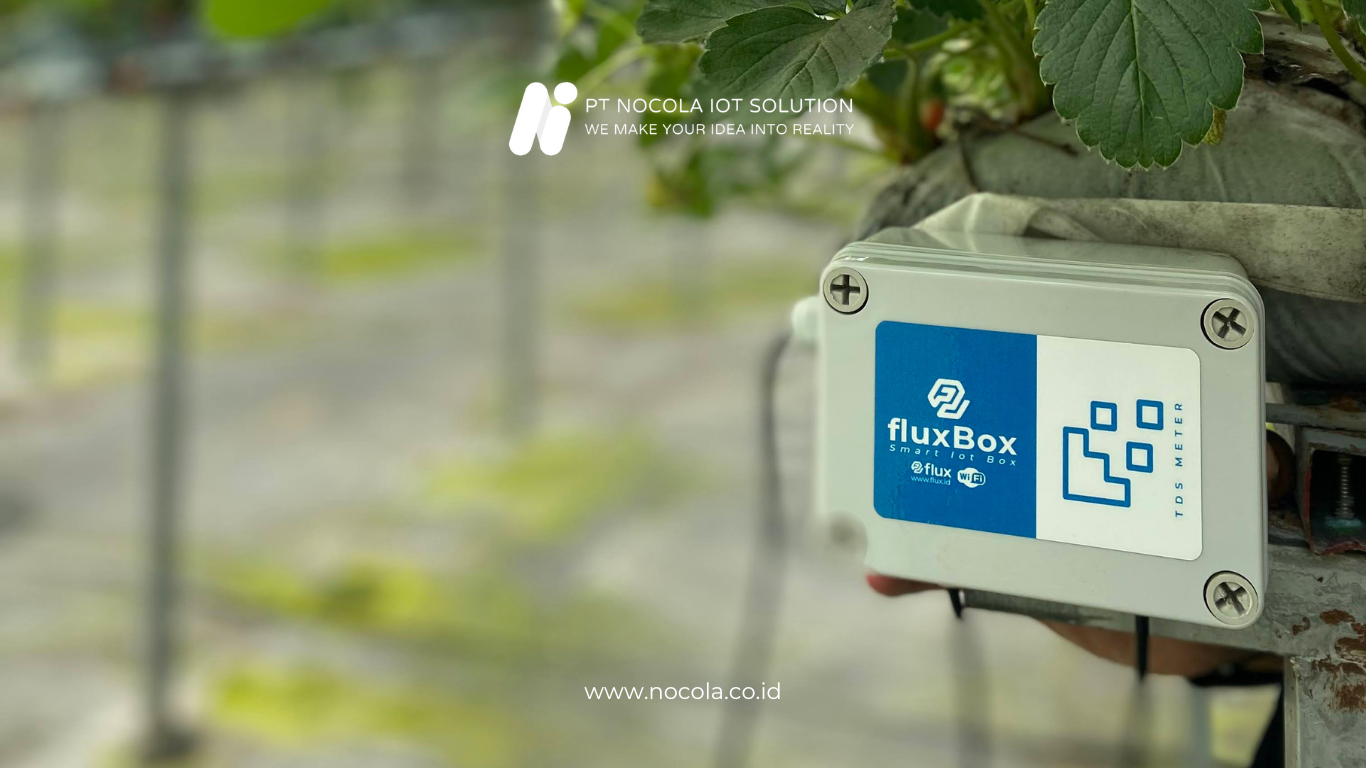
Precision agriculture is a technology-based approach that relies on data to improve efficiency and productivity in the agricultural sector. By utilizing sensors, IoT (Internet of Things) devices, data analytics, and automation, farmers can optimize every step of crop cultivation, including potatoes.
This technology provides smart solutions to address challenges such as climate change, water resource limitations, and the need for sustainable food production.

Read Also: Smart Farming: The Future of Agriculture
Potatoes are one of the important commodities in the world, including in Indonesia. However, conventional potato cultivation still faces several key challenges:
All these issues can lead to suboptimal yields and financial losses for farmers.

IoT technology allows for real-time data collection from agricultural land. With sensor systems and connected devices, all critical data such as soil moisture, air temperature, light intensity, and pH levels can be monitored automatically.
Here are some applications of IoT technology in smart potato farming:
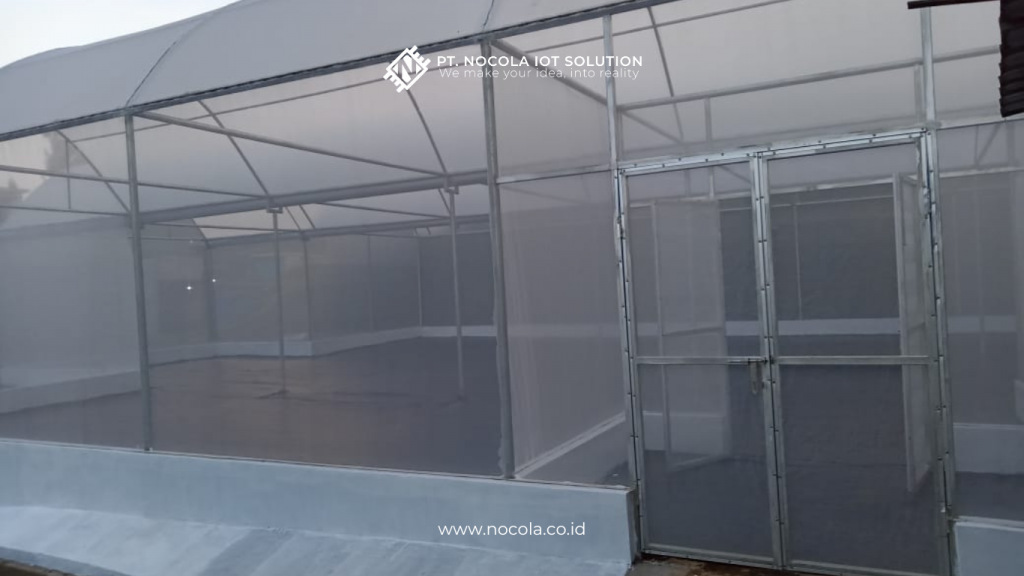
By utilizing IoT technology, potato farmers can gain several benefits:
Soil moisture and nutrient sensors allow for precise applications of water and fertilizer only in areas that need it.
Potato plants grow healthier because the environment is maintained optimally, leading to increased yields both in quantity and quality.
With drones and multispectral cameras, areas infested with pests or diseases can be detected earlier for quick intervention.
Farmers can plan planting, harvesting, and fertilization based on historical data and accurate weather predictions.
Automation systems reduce dependence on manual labor and save on operational costs.
In the future, IoT-based agricultural technology will continue to advance:
Agriculture is not only becoming more sophisticated but also more sustainable and efficient at both small and large scales.
Smart potato farming with IoT technology represents a significant leap in modern agriculture. By relying on sensors, automation systems, and data analytics, farmers can manage potato cultivation efficiently, environmentally friendly, and based on data.
Harvest timing becomes more precise, product quality improves, and operational costs decrease. Although challenges remain, the vast potential of this technology makes precision agriculture a future solution for food security and the welfare of Indonesian farmers.

