Physical Address
304 North Cardinal St.
Dorchester Center, MA 02124
Physical Address
304 North Cardinal St.
Dorchester Center, MA 02124

In the era of digital transformation, companies are required to enhance operational efficiency, reduce the risk of errors, and accelerate decision-making processes. One essential innovation that supports these needs is LogSheet digital.
Previously, manual recording using paper often led to issues such as lost data, difficult accessibility, and a high risk of errors. Now, with the automation of operational monitoring using LogSheet, these challenges can be effectively addressed.
This article will discuss why paperless recording systems are superior, how automation helps improve accuracy, as well as the strategic benefits that can be gained by companies through implementing LogSheet digital.
Read Also: Digitalization of Operational Processes with Nocola LogSheet
Before building an IoT dashboard, you need to know the main objectives of the monitoring you wish to conduct. Are you looking to:
Having clear objectives will determine what parameters need to be monitored, what types of sensors must be used, and which metrics will be displayed on the dashboard. For example, if you want to monitor temperature and vibration of machines to prevent damage, then you will need temperature sensors and accelerometers.
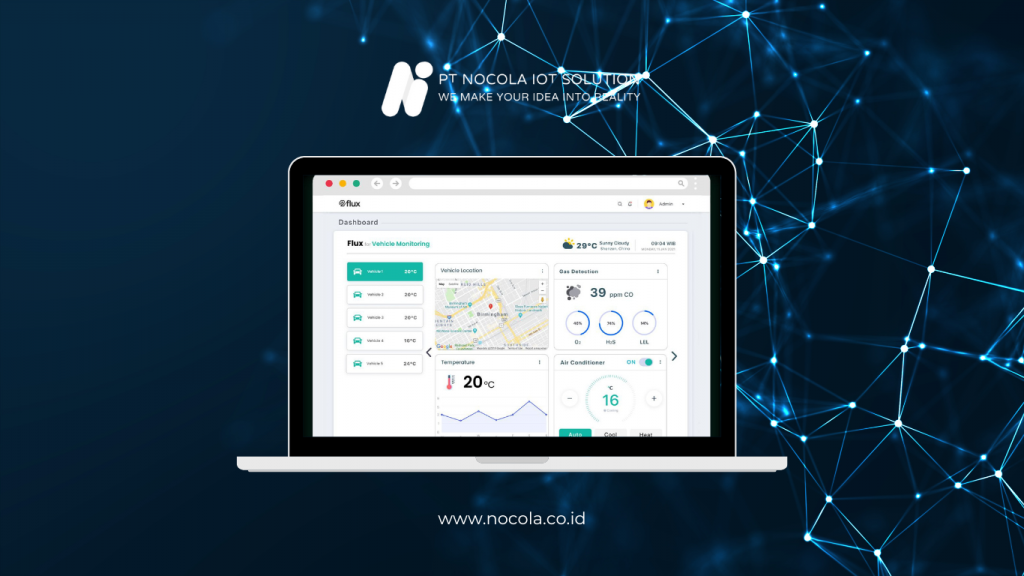
This stage includes selecting the following:
Utilize industrial sensors that are compatible with your system, such as:
All sensors will be connected to an IoT gateway responsible for transmitting data to the cloud or local server using protocols such as MQTT, HTTP, or CoAP.
The type of network can be adjusted based on needs:
Don’t forget to consider network security, including the use of SSL encryption and two-factor authentication.
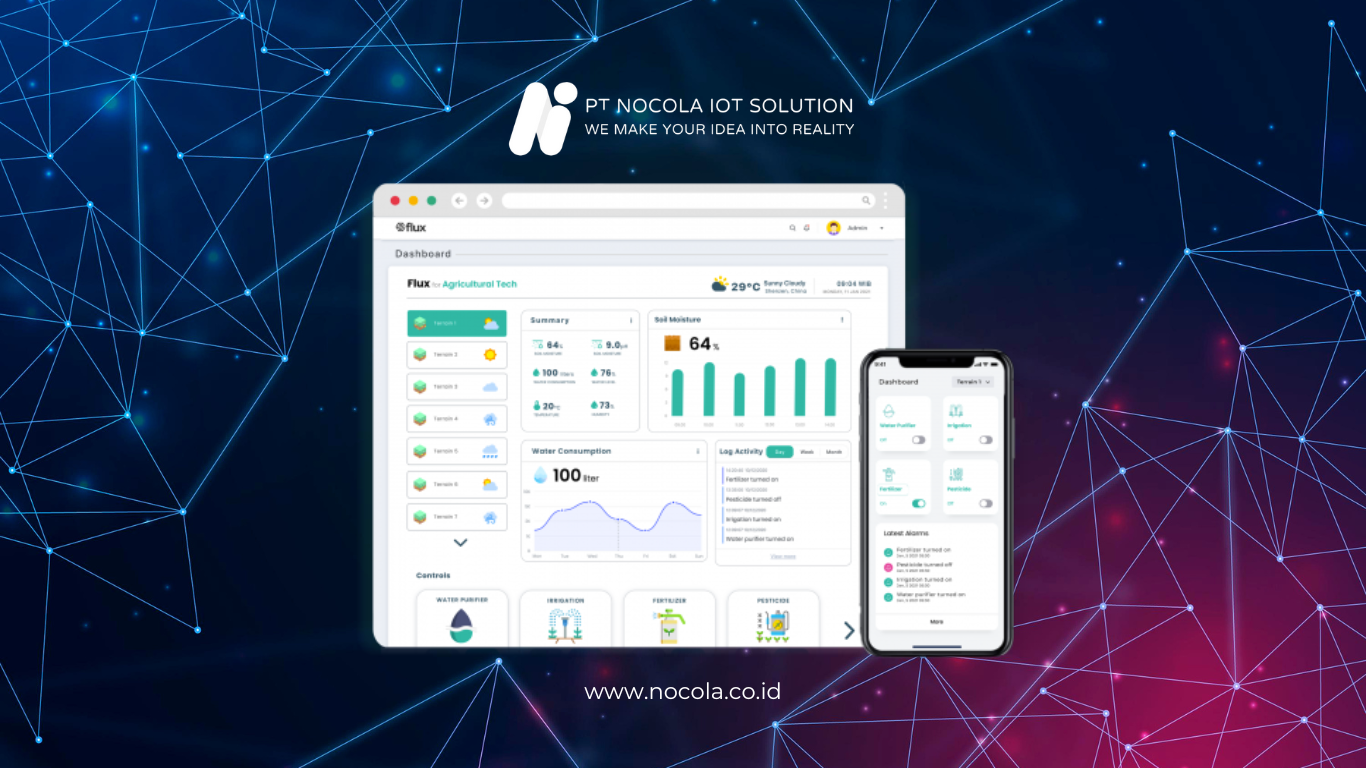
A good dashboard is one that is easy to read, relevant, and responsive. Some design principles for IoT production dashboards include:
The dashboard should be accessible via:
Data can be stored locally using an internal server or in the cloud using platforms such as:
The cloud offers higher flexibility and scalability, while local servers are more suitable for high data security.
Use time-series databases like InfluxDB or TimescaleDB to store continuously changing sensor data.
Provide a RESTful API for communication between backend systems and the frontend dashboard. This API can be used for:
Building an IoT dashboard for factory production monitoring is not just about displaying data; it is about creating a system that helps operations become smarter, more efficient, and responsive. From selecting sensors, networks, backends, to designing the right visual displays, every element must be integrated.
With an informative and real-time dashboard, factories can directly respond to Industry 4.0 challenges and enhance their competitiveness in the market. Therefore, it is no surprise that implementing an IoT dashboard is now a priority in the digital transformation roadmap in the manufacturing sector.

