Physical Address
304 North Cardinal St.
Dorchester Center, MA 02124
Physical Address
304 North Cardinal St.
Dorchester Center, MA 02124

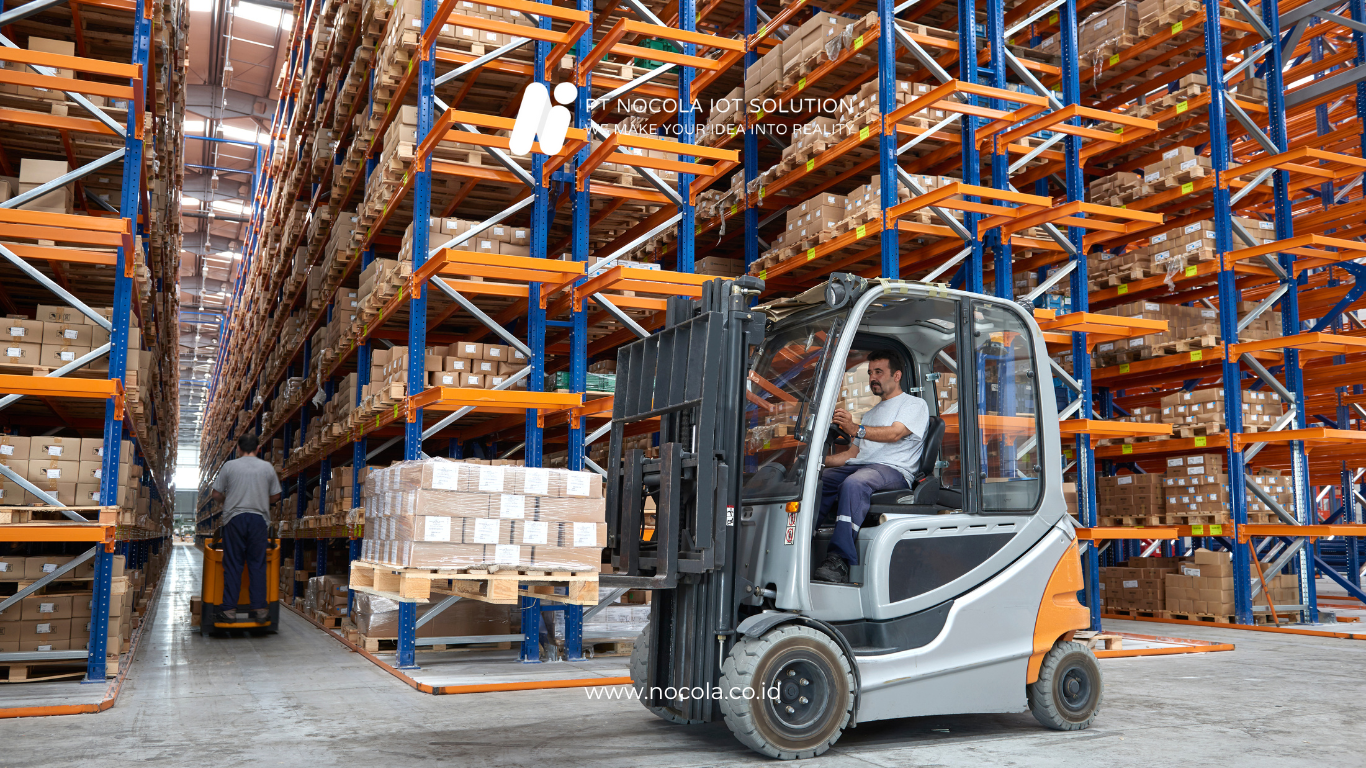
The logistics industry is the backbone of the global economy. Every day, millions of items move from one location to another via land, sea, and air routes. However, one of the biggest challenges in the logistics world is ensuring distribution efficiency and vehicle travel safety.
In the current digital era, vehicle tracking technology has emerged as a primary solution to address these challenges. With sophisticated systems, logistics companies can monitor vehicle positions in real-time, optimize routes, reduce operational costs, and enhance security. This article will discuss in detail the role, benefits, and future of vehicle tracking technology in modern logistics.
Read Also: Advantages of Nocola’s Flux Platform in Industrial Automation
Vehicle tracking technology is a system that uses GPS (Global Positioning System) and telematics sensors to monitor the location, condition, and movement of vehicles in real-time. The data collected is transmitted to a control center via cellular or satellite networks.
This system typically involves three main components:
With this technology, logistics companies can gain full control over their fleets.
With real-time tracking, the system can analyze the fastest routes based on traffic conditions. As a result, vehicles can avoid congestion and speed up delivery times.
Fuel consumption can be optimized by choosing the most efficient routes. Additionally, companies can monitor driver behavior to prevent improper vehicle use.
Tracking technology allows for early detection if a vehicle deviates from its route or stops at suspicious locations. In the event of theft, the vehicle’s location can be identified immediately.
Customers can now track their delivery status in real-time through applications. This enhances trust and customer satisfaction.
The telematics data provides information regarding machine conditions, mileage, and maintenance needs. Thus, damage can be prevented early.
The foundational technology that allows for high-accuracy vehicle location determination.
IoT sensors allow for additional data collection, such as container temperature, tire pressure, and braking force.
The large tracking data is analyzed to find efficiency patterns, predict delays, and optimize routes.
AI helps predict the best delivery routes based on traffic, weather, and road conditions.
All data is stored and managed in the cloud for real-time access by various stakeholders.
In the future, vehicle tracking technology will become increasingly sophisticated with the integration of:
With these innovations, logistics will become increasingly efficient, transparent, and secure, supporting the growth of the global industry.
Vehicle tracking technology has become a key element in the transformation of modern logistics. Its benefits are very real, ranging from cost savings, improved routing efficiency, enhanced fleet security, to greater customer satisfaction.
Despite facing challenges, with the support of technologies like IoT, AI, big data, and cloud computing, the future of logistics looks bright. Companies that invest in these technologies will be able to compete more effectively in the digital era.

