Physical Address
304 North Cardinal St.
Dorchester Center, MA 02124
Physical Address
304 North Cardinal St.
Dorchester Center, MA 02124

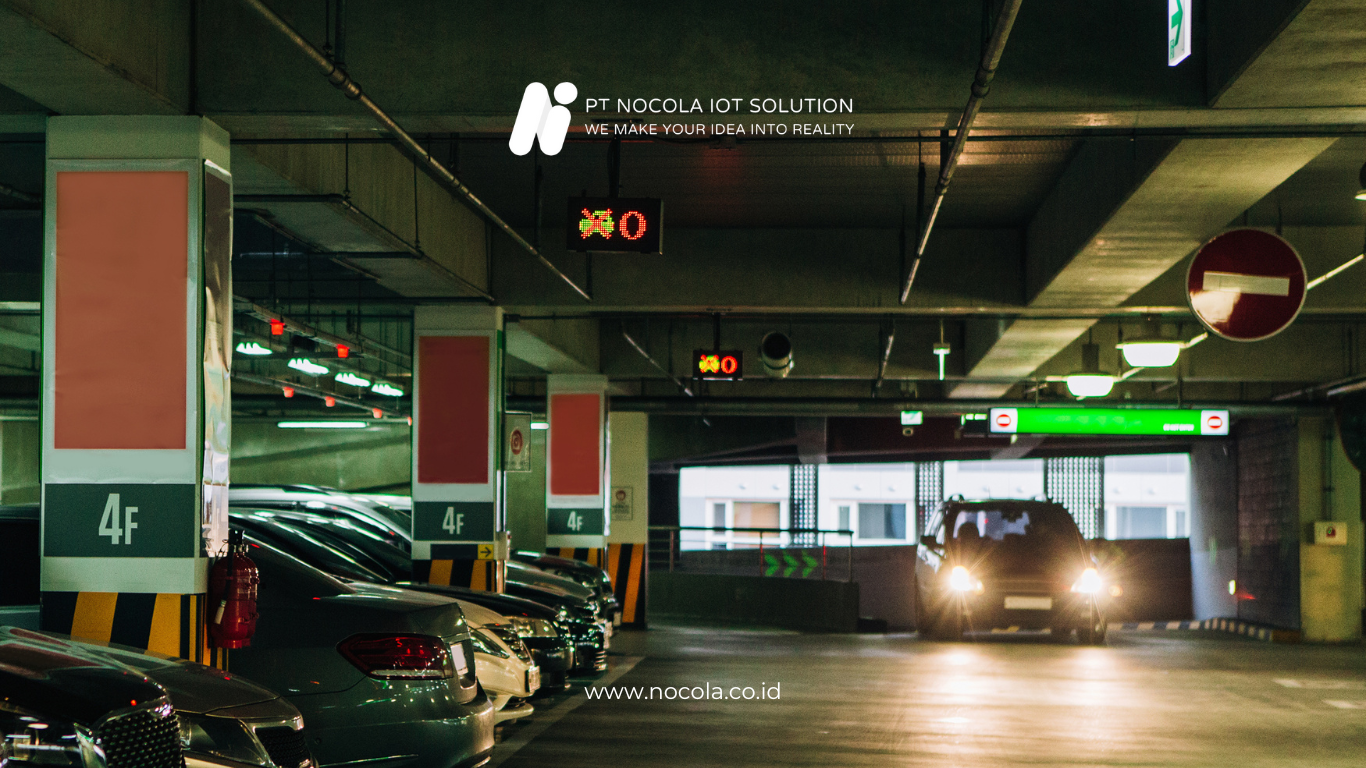
Parking issues are a classic challenge in big cities and areas with high mobility. From shopping centers, airports, and stadiums to office districts, limited space and a lack of efficient management systems often lead to traffic congestion, user confusion, and time wastage.
In this context, Smart Parking powered by IoT (Internet of Things) has emerged as a new revolution. This technology enables intelligent, efficient, and real-time management of parking areas, especially for large-scale parking.
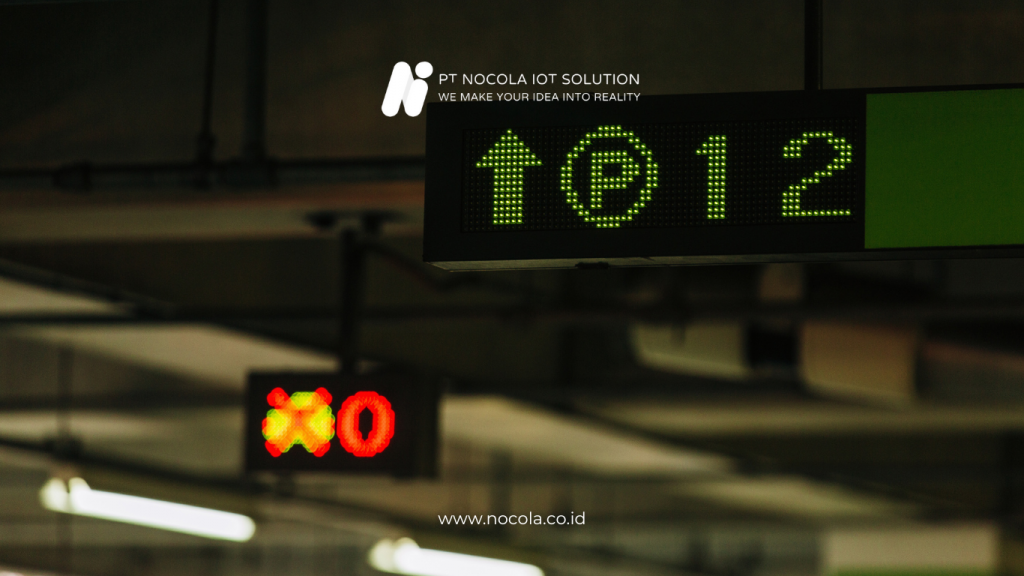
Read Also: Smart Parking Solutions for Urban Parking Challenges
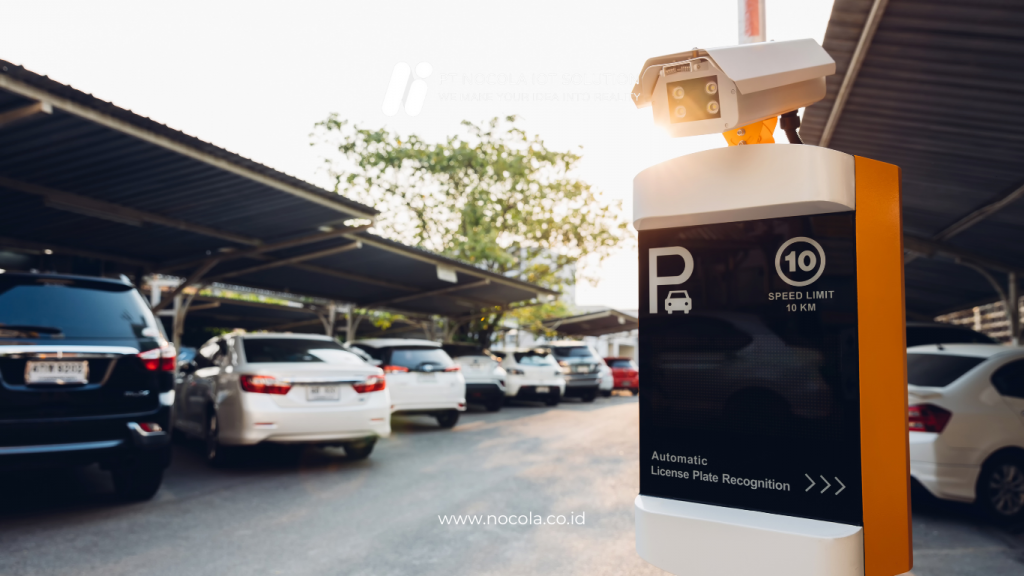
Smart Parking based on IoT is a system that utilizes sensors, cameras, and internet connectivity to:
This technology connects sensors in the field to a monitoring dashboard and a mobile application, so that all parties involved—managers and users—can benefit.
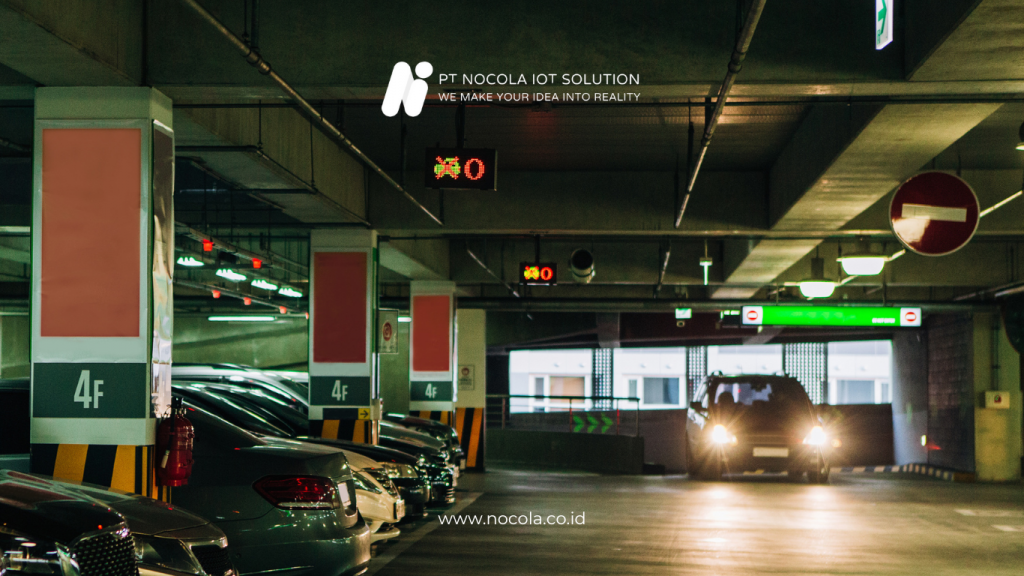
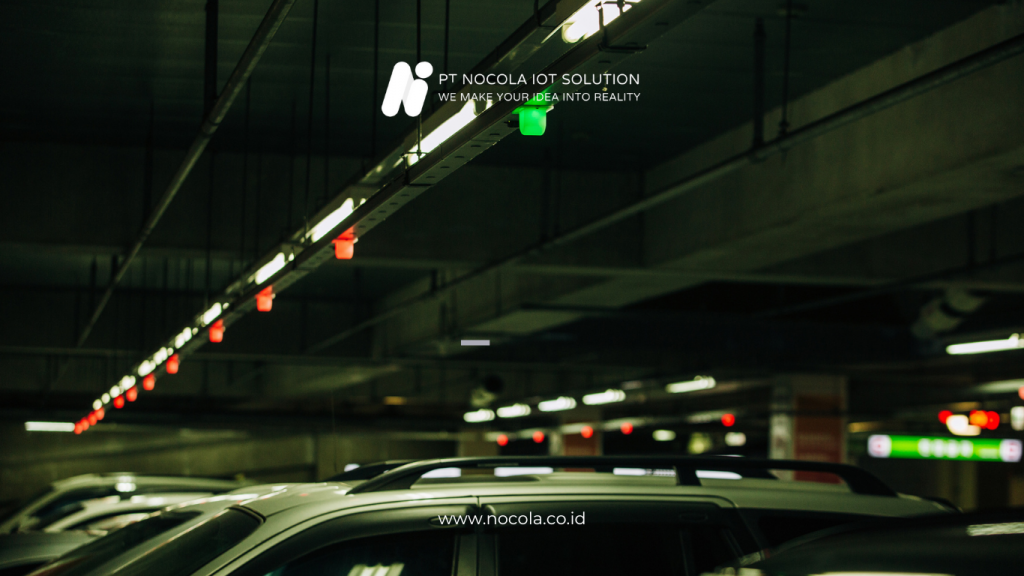
Drivers can go directly to available slots without driving around.
The integrated system minimizes queues at entrances and exits.
Real-time data helps managers maximize parking capacity.
Sensors and cameras help detect suspicious movements.
The application facilitates reservations, navigation, and payments seamlessly.
The revolution of Smart Parking IoT provides a tangible solution to address parking issues in large areas. By utilizing sensors, applications, and real-time monitoring systems, parking management becomes more efficient, secure, and convenient.
For large cities, airports, stadiums, and industrial areas, the implementation of Smart Parking is no longer an option, but a necessity to support mobility efficiency and build a sustainable Smart City ecosystem.

