Physical Address
304 North Cardinal St.
Dorchester Center, MA 02124
Physical Address
304 North Cardinal St.
Dorchester Center, MA 02124

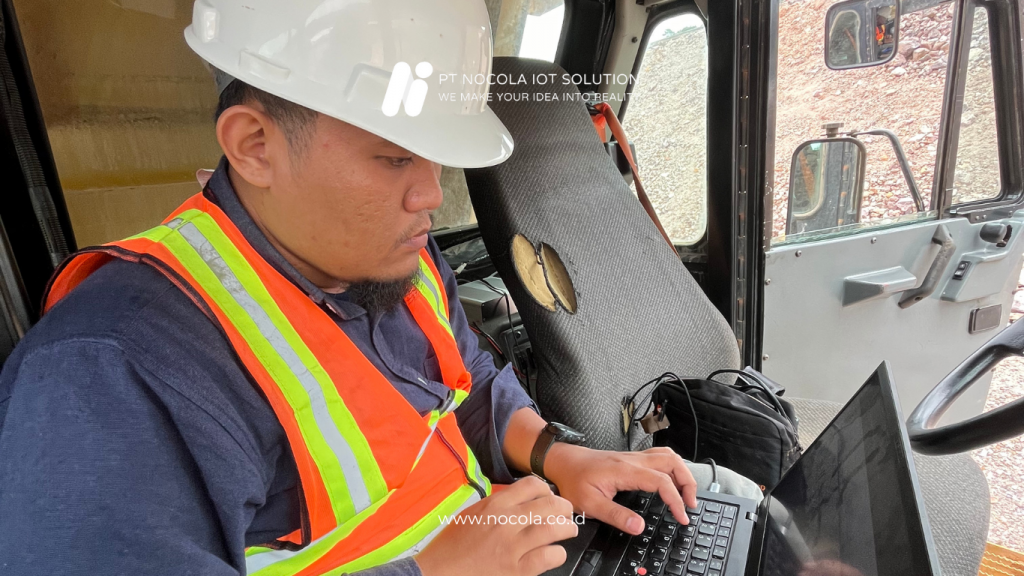
The mining industry is known as one of the sectors with the highest work risks. In addition to challenging terrains, long working hours, and the use of heavy machinery, the factor of fatigue is a major cause of workplace accidents, especially in transportation activities and the operation of mining vehicles.
To address these challenges, the Fatigue Monitoring System (FMS) has emerged as a modern solution capable of detecting signs of operator fatigue in real-time. With the implementation of FMS, mining companies can minimize workplace accidents, enhance productivity, and create a safer working environment.
This article will explore in depth how the Fatigue Monitoring System in the Mining Industry operates, its benefits, implementation challenges, and its prospects in supporting transportation safety in the future.
Read Also: Mining Safety Revolution: Fatigue & Worker Tracking in Sulawesi Mines
Mining vehicle operators often work long shifts of up to 12 hours. This leads to decreased focus, slower reflexes, and reduced alertness.
Transporting in mines involves uneven roads, dusty conditions, and extreme weather, putting physical and mental strain on drivers.
Fatigue not only diminishes performance but can also lead to:
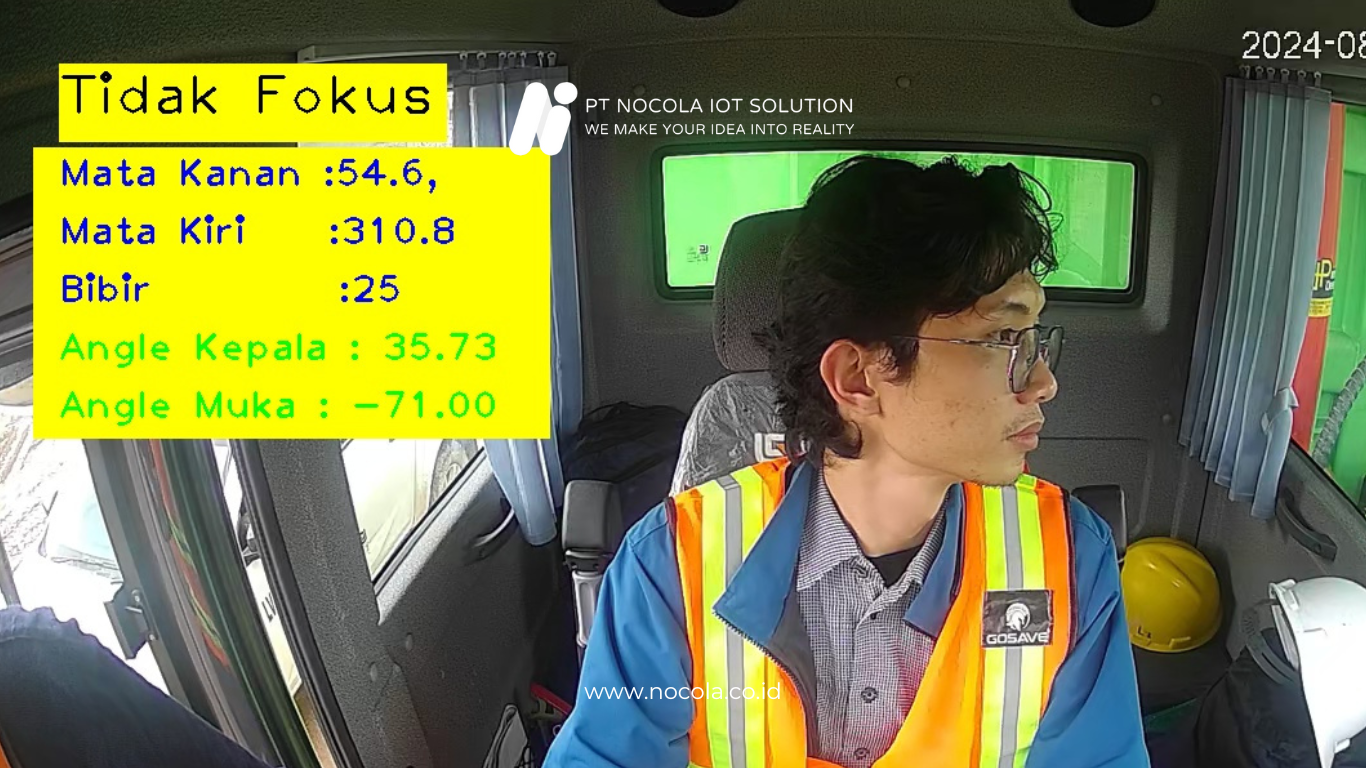
Fatigue Monitoring System (FMS) is a technology based on IoT, AI, and biometric sensors used to monitor driver conditions in real-time.
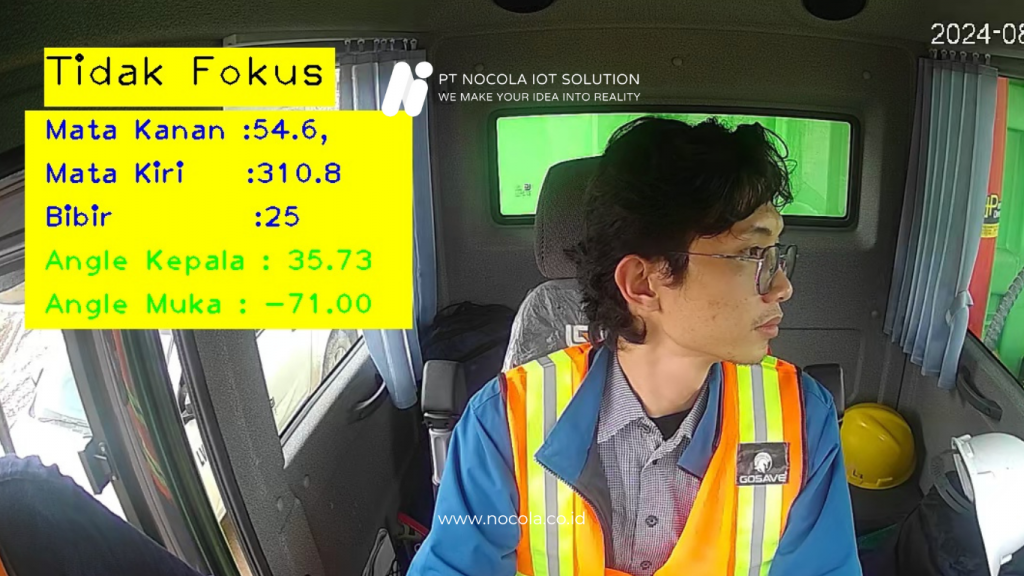
FMS can reduce the risk of accidents by early detecting signs of fatigue in mining truck drivers, excavators, or other heavy vehicles.
Accidents can cause long downtimes. With FMS, heavy equipment can operate more safely and productively.
Operators are crucial assets. This technology helps companies maintain their health and safety.
Many global safety standards now require the adoption of monitoring technologies to prevent accidents caused by fatigue.

AI is used to analyze the facial and eye patterns of operators, allowing differentiation between focused and drowsy drivers.
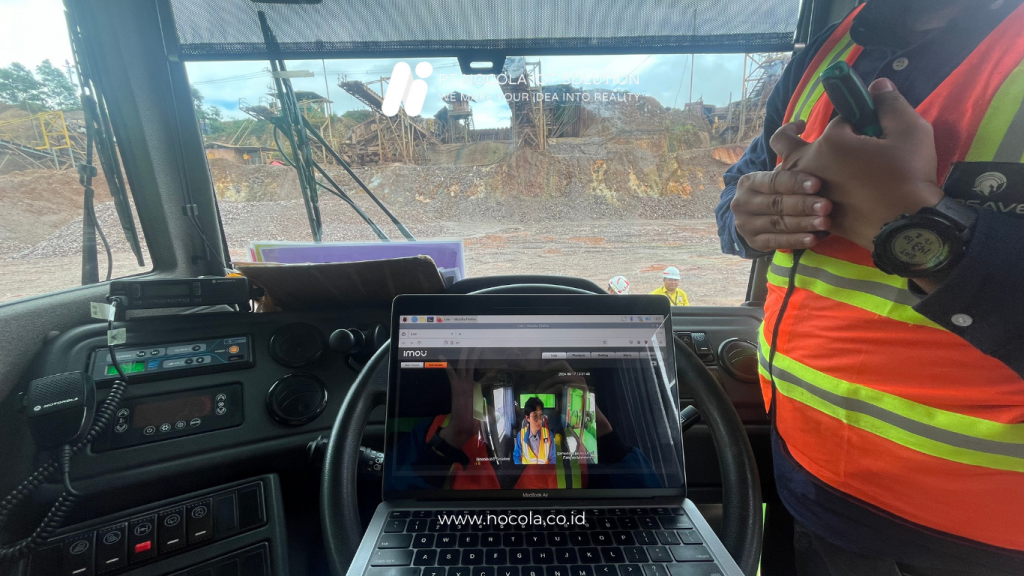
IoT enables the operator conditions data to be sent in real-time to the mining company’s control center.
Historical data from operators is stored in the cloud and can be used for trend analysis of fatigue, enabling better shift scheduling.
Some systems use wearable devices such as smart bracelets or headsets to detect signs of fatigue.
Fatigue is one of the largest factors contributing to workplace accidents in the mining industry. With the presence of the Fatigue Monitoring System (FMS), companies can enhance transportation safety, maintain productivity, and protect operators from the risk of fatal accidents.
The implementation of FMS is not just about technology; it represents a company’s commitment to prioritizing safety above all else. In the digital era, this system will become a new standard that must be implemented in the Indonesian mining industry, creating a safer, more efficient, and sustainable working environment.

