Physical Address
304 North Cardinal St.
Dorchester Center, MA 02124
Physical Address
304 North Cardinal St.
Dorchester Center, MA 02124

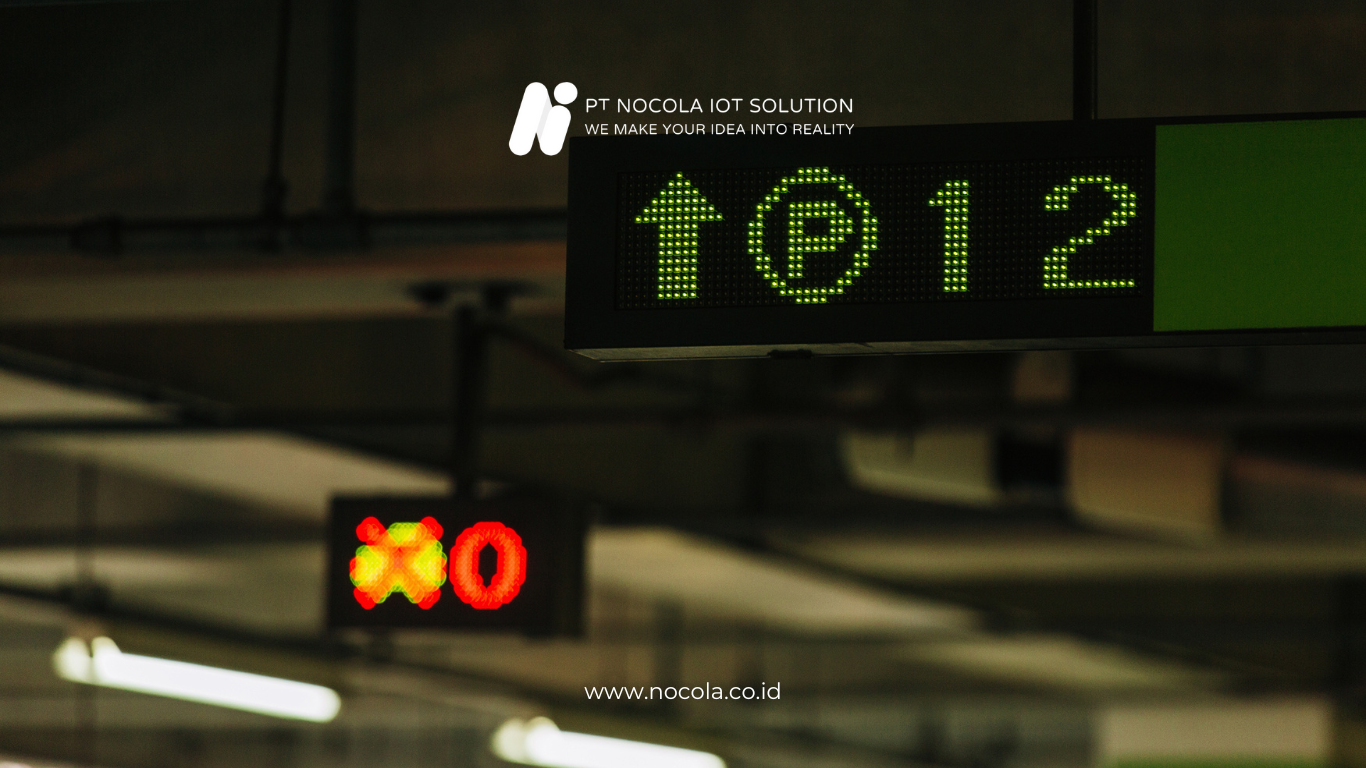
Jakarta, as the capital of Indonesia, is facing serious issues related to traffic congestion and limited parking space. The growing number of private vehicles each year exacerbates these conditions. Many drivers waste time just searching for parking, which ultimately adds to the congestion.
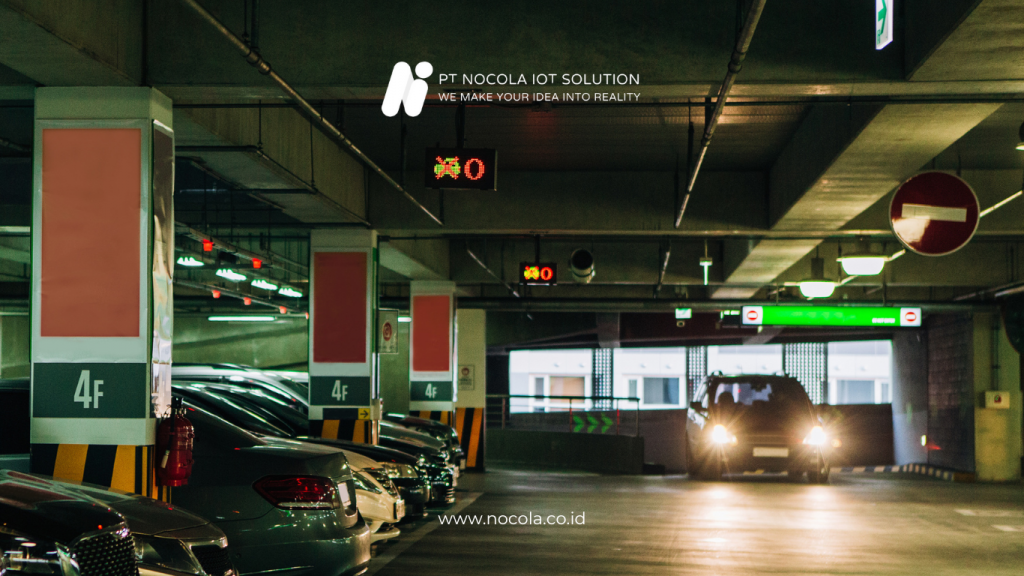
In the digital era, Internet of Things (IoT) has emerged as a solution that brings innovation to parking management. Smart Parking IoT is designed to help address the parking issues in major cities like Jakarta. This system integrates sensor technology, digital applications, and real-time data to create a more efficient, convenient, and environmentally friendly parking experience.
Read Also: Warehouse Automation: GPS Indoor Tracking for Forklift Management
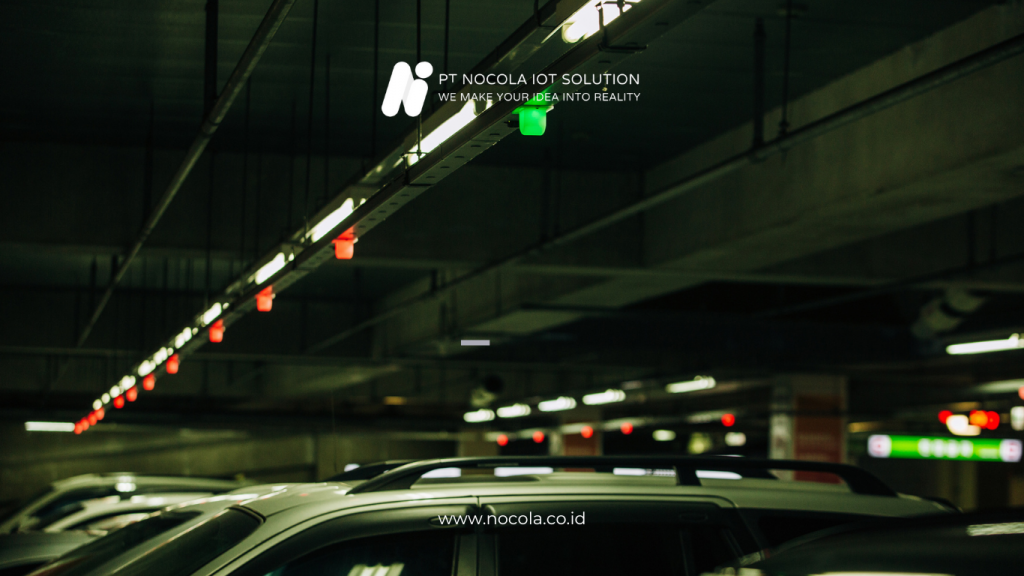
Smart Parking IoT is a smart parking system that utilizes IoT sensors, cameras, and management software to detect the availability of parking spaces in real-time. This information is then displayed through an application or central system, allowing drivers to quickly find available parking spots.
This technology not only aids users but also assists parking administrators and city governments in:
According to data from the Transportation Department, the number of vehicles in Jakarta increases rapidly each year, while the availability of parking space does not increase significantly.
Studies show that drivers in big cities can spend up to 30% of their driving time just looking for parking. This is clearly inefficient.
Illegal parking has become one of the main causes of traffic congestion. Many drivers park on the roadside because they have difficulty finding official parking areas.
The longer vehicles circle looking for parking, the more emissions are produced. This worsens air quality in Jakarta.
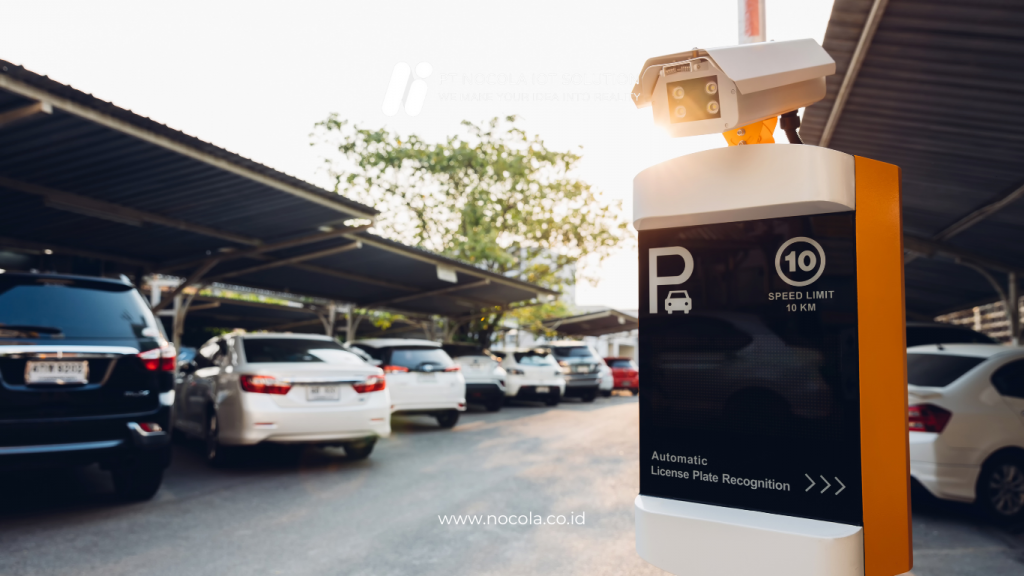
The Smart Parking IoT system consists of several key components:
Drivers no longer need to circle around looking for parking. Information on available slots can be accessed via the application.
With more orderly parking, congestion caused by illegal parking can be minimized.
Vehicles that quickly find parking will reduce air pollution and carbon emissions.
The digital system ensures that payments are more transparent and reduces potential fraud.
The government can maximize parking fees with a more measurable IoT-based system.
Smart Parking IoT in Jakarta is not just a technological innovation; it is a tangible solution to address mobility issues, congestion, and air pollution. By utilizing sensors, digital applications, and real-time data, Jakarta can optimize parking space utilization and improve the quality of life for its residents.
While there are challenges related to costs and public education, the implementation of Smart Parking IoT is a strategic step toward making Jakarta a sustainable smart city.

