Physical Address
304 North Cardinal St.
Dorchester Center, MA 02124
Physical Address
304 North Cardinal St.
Dorchester Center, MA 02124
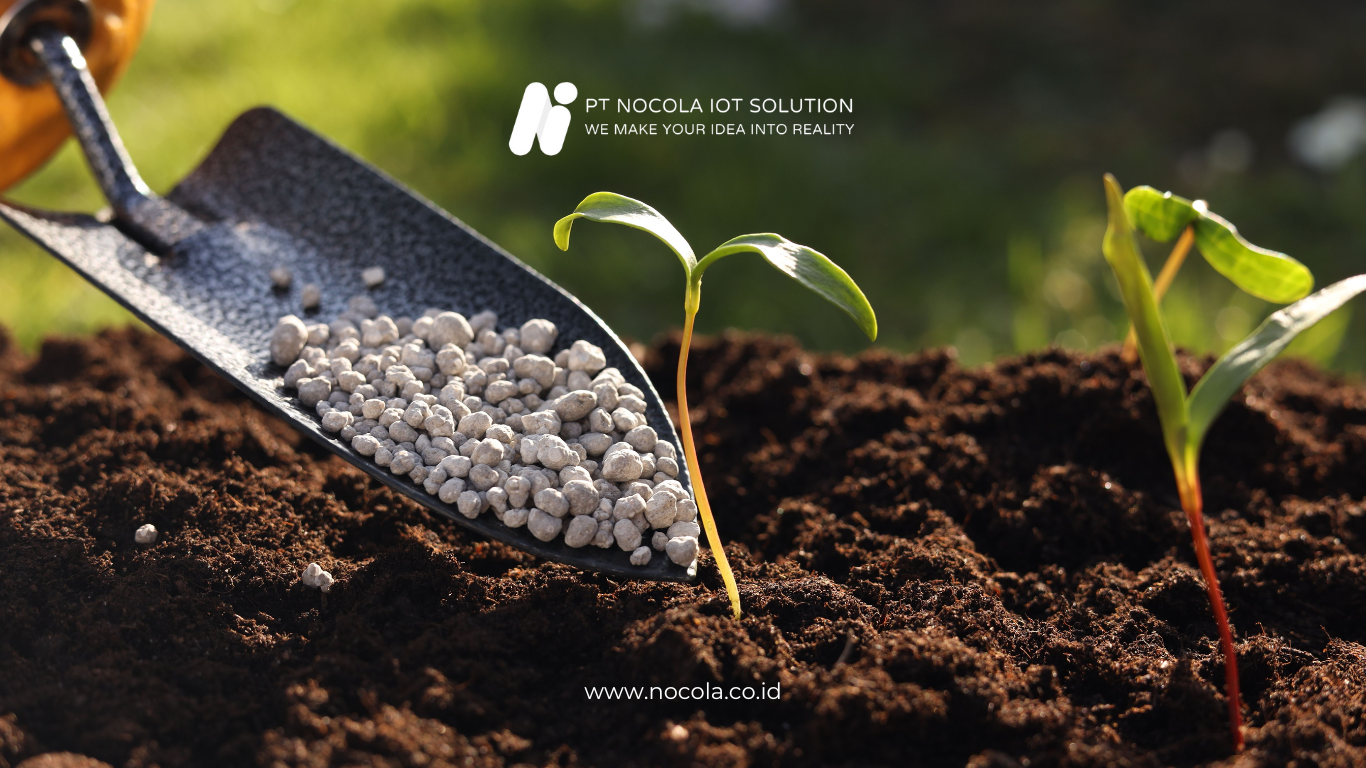
Agriculture is a vital sector for human survival. However, significant challenges such as climate change, land limitations, weather uncertainties, and the high global food demand require this sector to transform. To address these challenges, the Internet of Things (IoT) brings new solutions through the concept of Smart Agriculture.
In Indonesia, one of the pioneers in implementing this technology is Nocola, a technology-based company that delivers innovative IoT solutions. Through the Smart Agriculture project, Nocola assists farmers and agribusiness actors in increasing productivity, efficiency, and sustainability.
This article will discuss how Nocola and IoT-based Smart Agriculture can revolutionize the modern agricultural world.
Also Read: Smart Farming: The Future of Agriculture
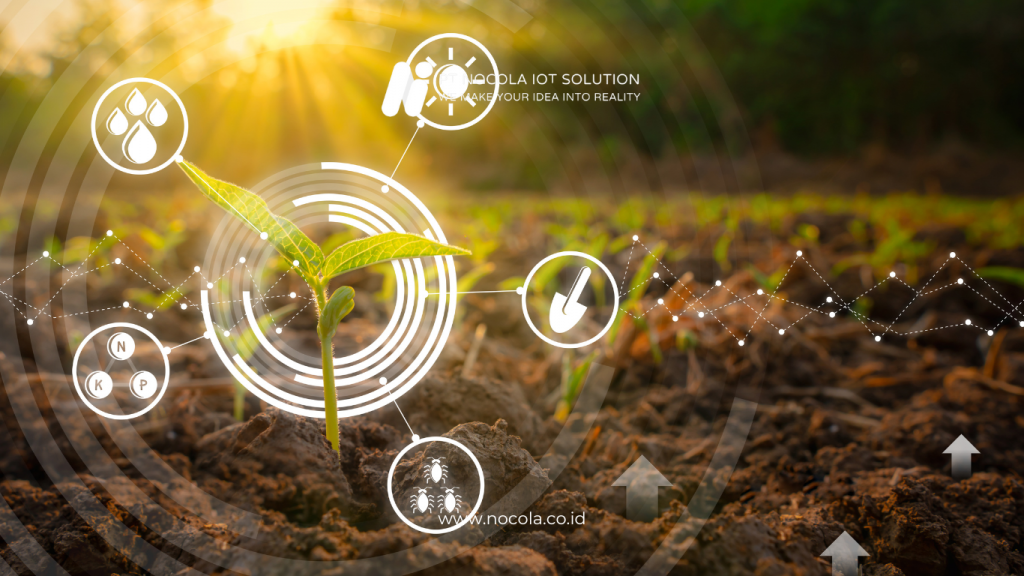
Smart Agriculture is a modern agricultural approach that utilizes digital technology, sensors, and IoT to optimize food production. This concept allows farmers to obtain real-time information about soil conditions, weather, humidity, nutrients, and plant health.
Some of the key components of Smart Agriculture include:
With this system, agricultural decisions are no longer based solely on experience but also on accurate data.
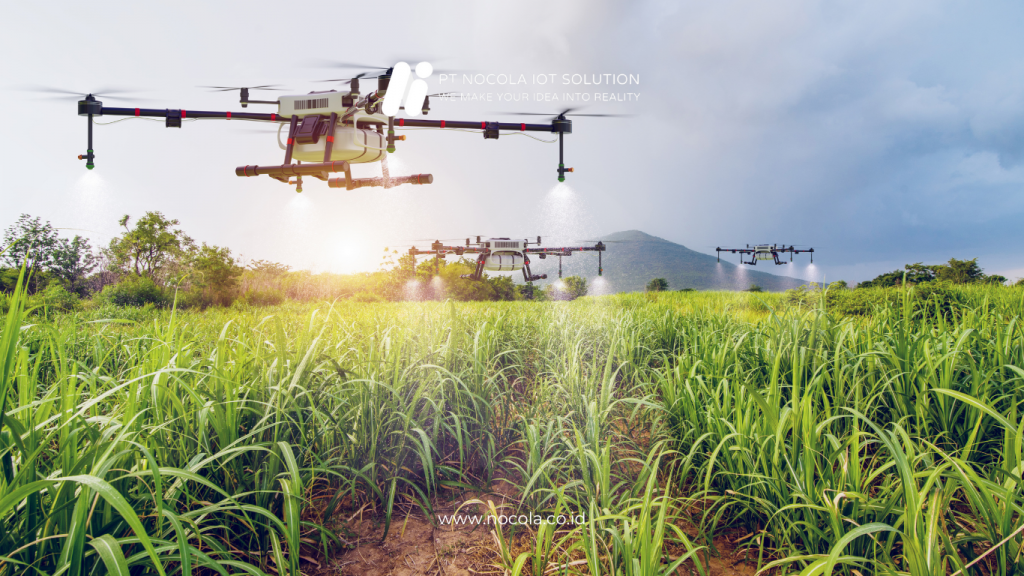
As a technology company focused on IoT solutions, Nocola develops various innovations for the agricultural sector. The Smart Agriculture project from Nocola is designed to address the main challenges faced by farmers in the modern era, including:
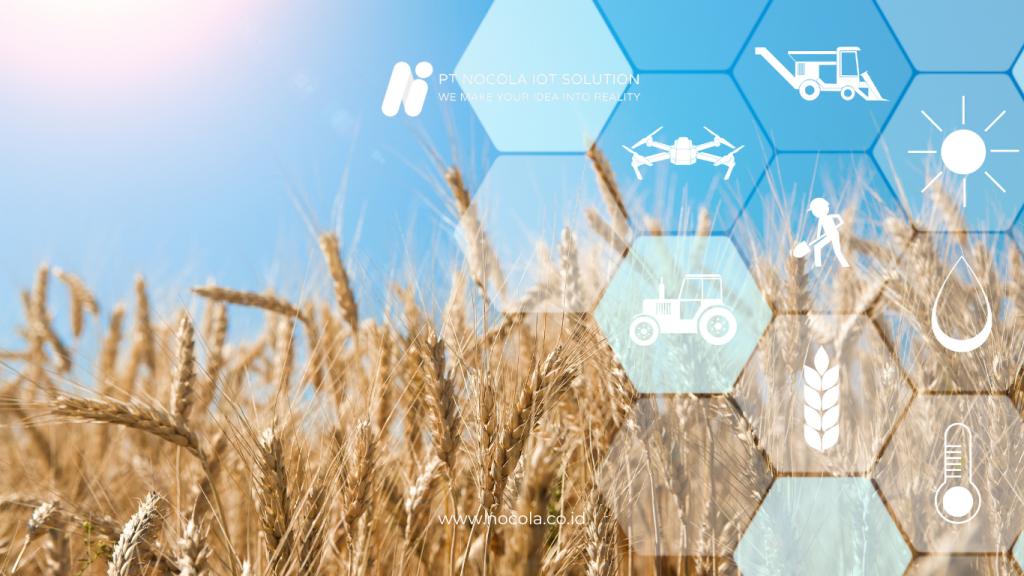
These sensors detect soil moisture levels and nutrient content to ensure crop needs are met.
Equipped with sensors for temperature, humidity, light intensity, and rainfall, allowing farmers to anticipate climate changes.
These manage watering based on sensor data, ensuring efficient and targeted water use.
Used to monitor plant health, map fields, and even efficiently spray pesticides.
Data from all IoT devices is collected on a dashboard accessible to farmers via smartphones or computers.

Modern agriculture requires innovative solutions to address productivity, efficiency, and sustainability challenges. Through the IoT-based Smart Agriculture project, Nocola presents a system that helps farmers optimize resource use, increase yields, and reduce operational costs.
With the support of technologies like soil sensors, weather stations, automatic irrigation, and digital dashboards, Smart Agriculture is not just a concept but a reality.
Nocola proves that IoT is the future of agriculture in Indonesia, where every farmer can be more productive, every land can be more optimal, and Indonesian agriculture can compete globally.

