1. Understanding Smart Factory and How IoT Works Within It
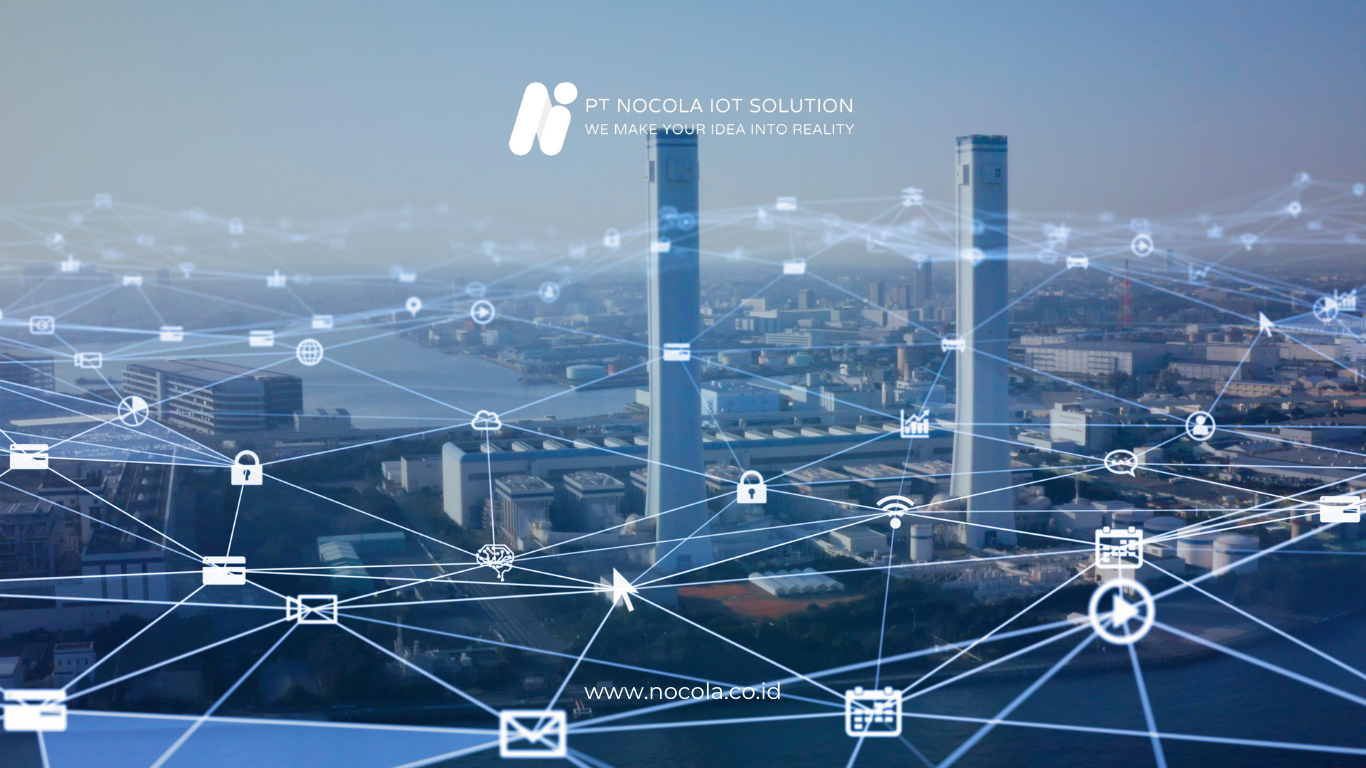
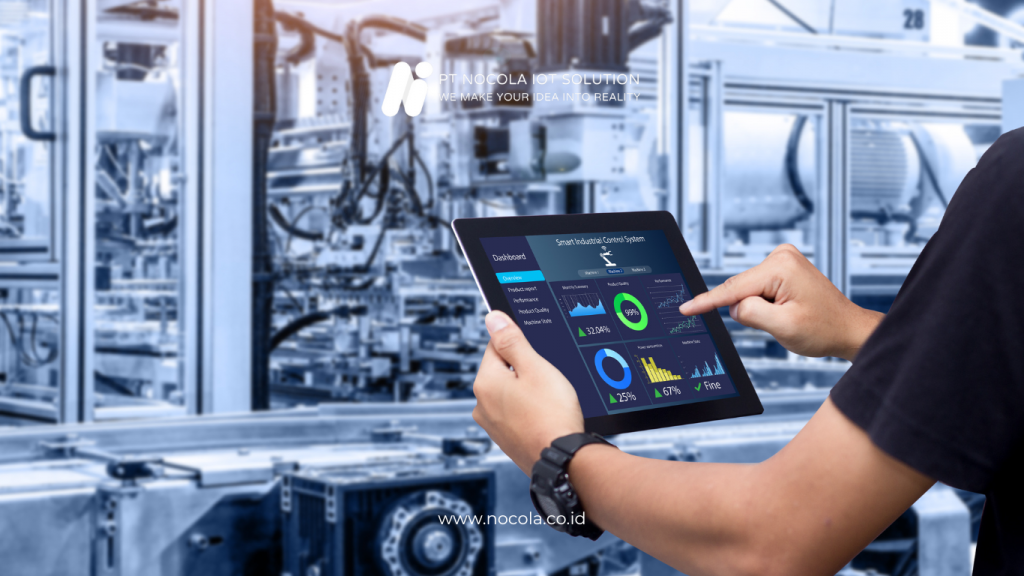
The Smart Factory is a concept that utilizes the integration of digital technologies such as the Internet of Things (IoT), big data, artificial intelligence (AI), and robotics to optimize production processes. In a Smart Factory, every machine, device, and even product can connect through sensors and internet networks.
The Role of IoT in Smart Factory:
Connectivity: Machines and devices are interconnected to share data.
Prediction and Analytics: Collected data is processed with AI to prevent machine failures or predict maintenance needs.
Automation: Many manual tasks are replaced by automated systems that are faster and more precise.
In this way, factories become more responsive, adaptive, and efficient.
2. Benefits of Smart Factory with IoT for the Manufacturing Industry
The implementation of Smart Factories brings many tangible benefits for manufacturing companies:
Production Efficiency: IoT helps reduce downtime with predictive maintenance. Problematic machines can be detected before they fail.
Improved Product Quality: With IoT sensors, product quality can be monitored from the start of production to the final stages, reducing defects.
Operational Cost Savings: Energy, raw materials, and maintenance costs can be minimized with automatic monitoring systems.
Better Worker Safety: IoT sensors can detect hazardous conditions, prevent workplace accidents, and ensure a safer work environment.
Production Flexibility: Smart factories can quickly adapt to changing market demands. For example, if there is an increased demand for a specific product, the system can automatically adjust production capacity.
3. Real-World Examples of Smart Factory Implementation
Several examples of Smart Factory implementations in the real world include:
Automotive Industry: Large companies such as BMW and Toyota already use IoT to optimize vehicle assembly lines.
Electronics Manufacturing: Smartphone manufacturers utilize IoT sensors for quality control of every component.
Food & Beverage: IoT helps monitor temperature and environmental conditions during production to ensure food safety standards are maintained.
Textile and Fashion: Smart factories allow for rapid custom clothing production through data-driven automated systems.
4. The Future of the Manufacturing Industry with Smart Factory
In the future, Smart Factories will become a foundational aspect of the Industry 4.0 era and will evolve towards Industry 5.0. Some trends that will emerge include:
More Advanced AI Integration for predictive analytics.
Combination of IoT and 5G Technology for faster and more stable connectivity.
Collaborative Robots (Cobots) that work alongside humans.
Sustainable Manufacturing that utilizes IoT to reduce emissions and waste.
Increased Product Personalization, where customers can order products according to their needs, and factories adjust production accordingly.
Conclusion
Smart Factory with IoT represents a significant transformation for modern manufacturing industries. By leveraging sensors, internet connectivity, big data, and AI, factories can become more efficient, productive, safe, and flexible.
Although there are challenges related to investment costs, data security, and human resource skills, the future of Smart Factories is promising. Industries that can adapt will gain a significant competitive advantage in the global market.
In other words, Smart Factory is not just a trend, but a natural evolution of the manufacturing world towards a more intelligent and sustainable digital era.