Physical Address
304 North Cardinal St.
Dorchester Center, MA 02124
Physical Address
304 North Cardinal St.
Dorchester Center, MA 02124

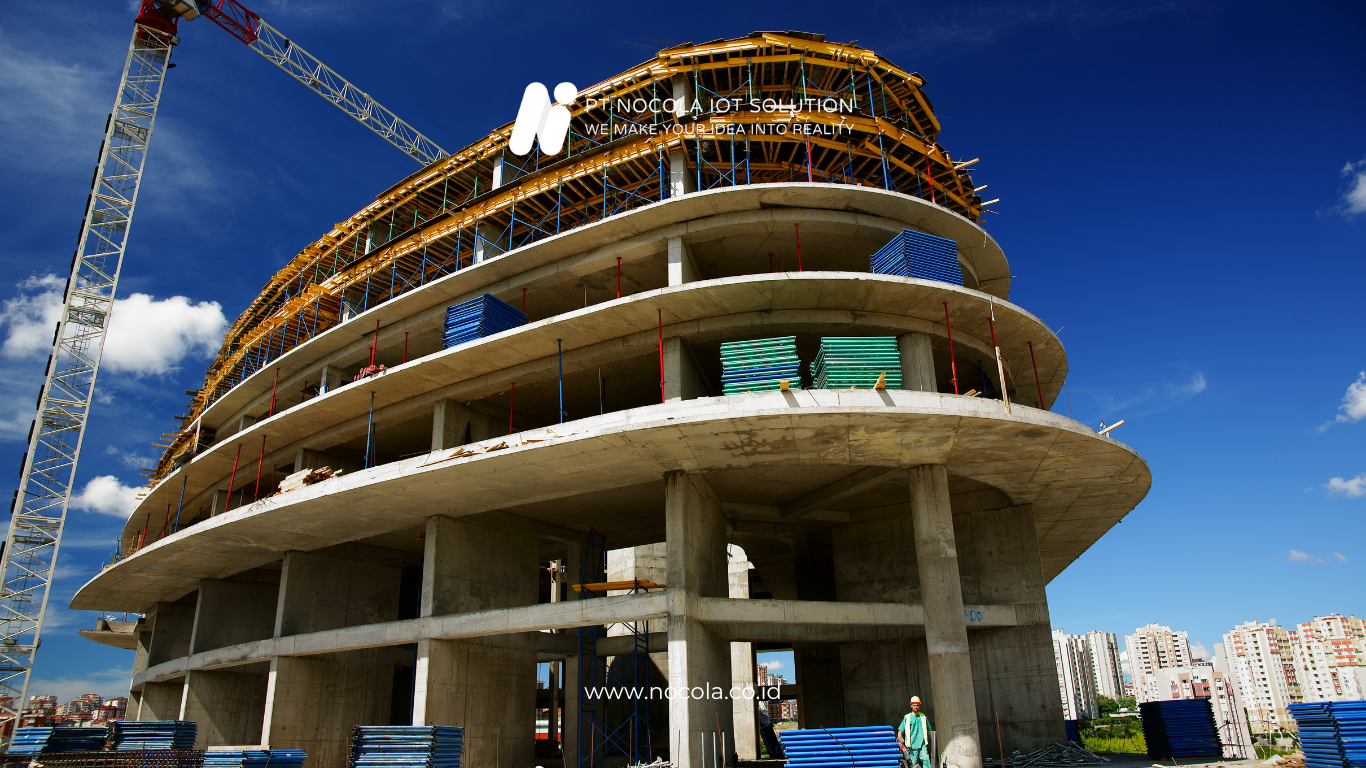
Buildings are symbols of human progress and comfort. However, behind their grandeur lies a threat often overlooked: structural damage that could lead to building collapses. Numerous cases in Indonesia and around the world have shown that buildings, bridges, or towers have collapsed due to negligence in monitoring their physical conditions.
Factors such as the age of the building, vibrations, excessive loads, earthquakes, and material quality can all affect structural integrity. The problem is that damage is not always visible from the outside. Small cracks in walls or pillars can be the beginning of major failures.
This is where the Internet of Things (IoT) comes into play. With advanced sensor technology and real-time monitoring systems, we can now continuously monitor the health of building structures, detecting potential hazards before disasters occur.
This technology is known as IoT-based Structural Health Monitoring (SHM) — an intelligent system designed to ensure the safety of modern infrastructure.
Read More: Monitoring Environmental Conditions with IoT Sensors
Structural Health Monitoring (SHM) is a system designed to continuously monitor, analyze, and detect changes in the structural elements of a building.
With the help of IoT sensors, this system collects data such as vibrations, pressure, humidity, and material displacements to accurately assess the condition of the building.
IoT-based SHM systems connect various physical sensors to the internet, transmitting data in real-time to servers or cloud platforms for analysis. When anomalies are detected, the system can automatically send alerts to building managers through dashboards or notifications.
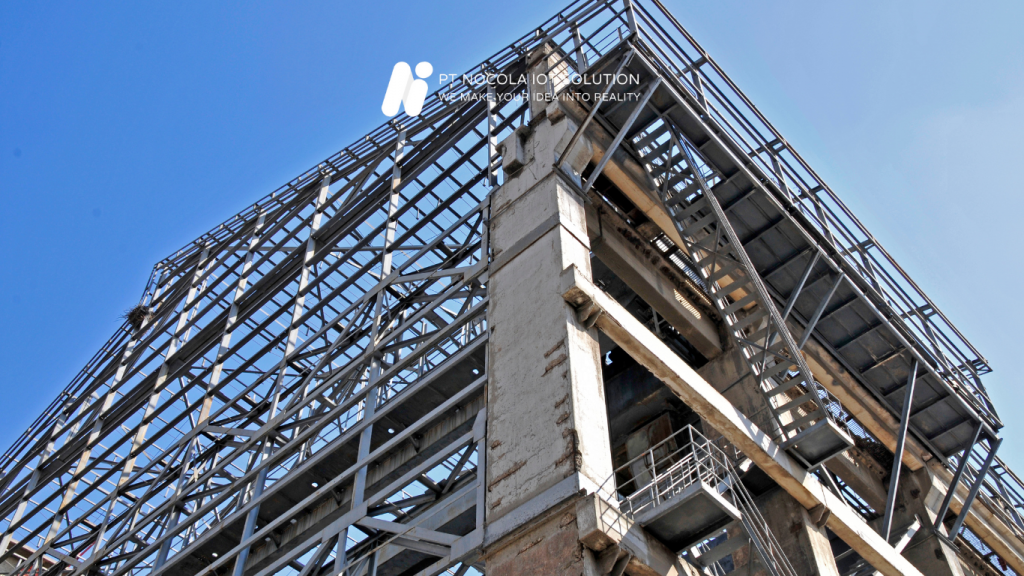
Buildings do not collapse suddenly. The process occurs gradually due to declining material load-bearing capacity, corrosion, excessive vibrations, or settlement. Without monitoring, these signs can go unnoticed until they lead to significant damage.
Here are a few reasons why IoT-based structural monitoring is crucial:
IoT sensors can detect abnormal vibrations or small structural shifts that are not visibly apparent. This information helps technicians take corrective actions before problems escalate.
High-rise buildings, bridges, stadiums, and dams accommodate thousands of people each day. Real-time monitoring ensures the safety of users and the surrounding community with early warning systems.
With accurate data, building owners can implement predictive maintenance—only repairing parts that genuinely require attention, rather than relying on estimates.
In some developed countries, the implementation of SHM systems has become a safety standard for infrastructure. Indonesia is beginning to head toward similar policies, especially for large-scale projects like bridges and public buildings.
IoT-based SHM systems can also assist in evaluating structures after earthquakes. Sensors will send deformation data to assess whether the building is still safe for use.

To effectively monitor the condition of building structures, IoT-based SHM systems consist of several key components:
Sensors are the heart of the monitoring system. Some common types of sensors include:
This device functions to collect data from the sensors and send it to the cloud server. The gateway can use connections like Wi-Fi, LTE, LoRa, or NB-IoT depending on location needs.
The collected data is sent to the cloud for analysis and visualization. Users can monitor the structural condition in real-time through a digital dashboard on their laptops or smartphones.
If sensor values exceed safe thresholds, the system will send automatic notifications via SMS, email, or apps so that timely actions can be taken.
The IoT system operates through an integrated process consisting of four main stages:
This process operates in real-time and automatically, without the need for time-consuming and resource-intensive manual monitoring.
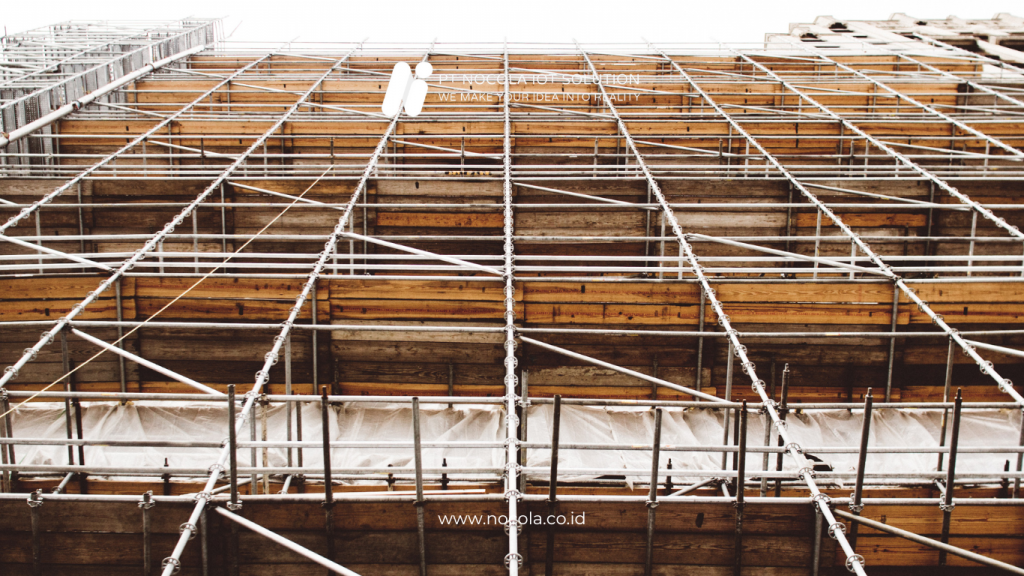
This technology can be applied to various types of infrastructure, both public and commercial. Here are a few examples:
IoT sensors are installed in columns, walls, and floors to detect vibrations caused by human activity or earthquakes. This data helps ensure the vertical stability of the building.
Small gaps in a bridge’s joints can have fatal consequences. An IoT-based Continuous Structural Monitoring System (CEMS) monitors stress and deformation to ensure the bridge remains safe for heavy vehicles.
Pressure and moisture sensors monitor water infiltration that could weaken the dam’s foundations. If a potential leak is detected, the system will immediately send alerts.
IoT-based monitoring is also used for the conservation of old buildings, allowing for the detection of structural cracks without damaging the original architectural elements.
During the construction process, IoT sensors are used to ensure the quality of materials and structural strength meet technical design specifications.
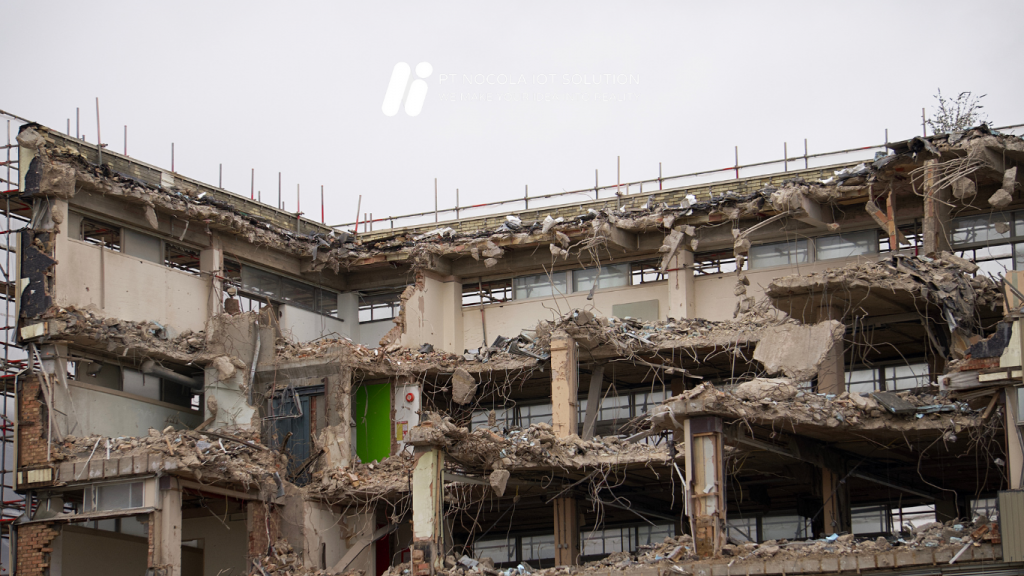
IoT technology brings various advantages that make structural monitoring more effective and efficient compared to conventional methods:
The system runs continuously without interruption, ensuring that every minor change can be detected at any time.
Modern IoT sensors have high sensitivity, allowing for the detection of changes in micrometers or microseconds.
The system can be easily expanded according to the size of the building—from a small structure to large industrial complexes.
Data from sensors is analyzed using machine learning to recognize damage patterns and provide risk predictions for the future.
Management can monitor building conditions from anywhere through web-based dashboards or mobile applications.
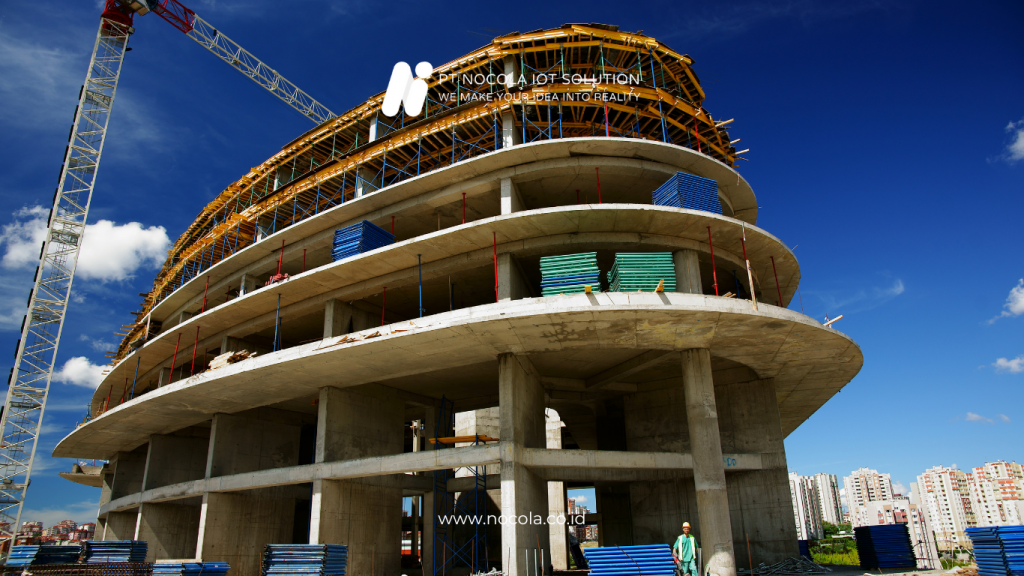
As a technology company based in Indonesia, Nocola IoT Solution brings innovations in structural monitoring.
Through the integration of precision sensors, smart gateways, and cloud-based analytics, this system can provide:
Nocola also offers modular IoT solutions that can be customized for different building types—be it for public infrastructure projects, commercial buildings, or industrial structures.
With this technology, Nocola helps many institutions and companies in Indonesia enhance the safety, efficiency, and reliability of their buildings.
Structural monitoring is no longer an option but a critical necessity in this modern era filled with challenges. With IoT sensors and smart monitoring systems, the risks of damage can be identified early before they lead to significant losses.
The IoT-based Structural Health Monitoring system introduces a new revolution in the construction world—combining safety, efficiency, and technology.
From skyscrapers to significant bridges, everything can be monitored in real-time and accurately without disrupting daily activities.
Through the innovative support of Nocola IoT Solution and the Flux platform, the future of intelligent buildings that are safe, resilient, and sustainable is now becoming increasingly tangible.
With IoT monitoring, we are not just building solid structures—but also building trust and safety for future generations.

