Physical Address
304 North Cardinal St.
Dorchester Center, MA 02124
Physical Address
304 North Cardinal St.
Dorchester Center, MA 02124


In the digital era, industries are increasingly realizing that manual recording is no longer an efficient method. Many companies still rely on logbooks, paper, and spreadsheets to record daily operational activities. However, these methods often lead to various issues such as human error, lost data, difficulties in tracking, and slow information flow.
IoT-based digital logsheet technology emerges as a modern solution to replace these manual processes. With this technology, all operational activities can be recorded automatically, in real-time, and securely stored in the cloud. There’s no longer a need to carry stacks of paper or chase manual signatures. All data can be accessed anytime and anywhere.
This transformation not only supports work efficiency but also encourages the creation of a paperless operation system that is more environmentally friendly, cost-effective, and aligns with the demands of Industry 4.0.
Also Read: Nocola Digital Logsheet: Why Manual Logs Are Outdated
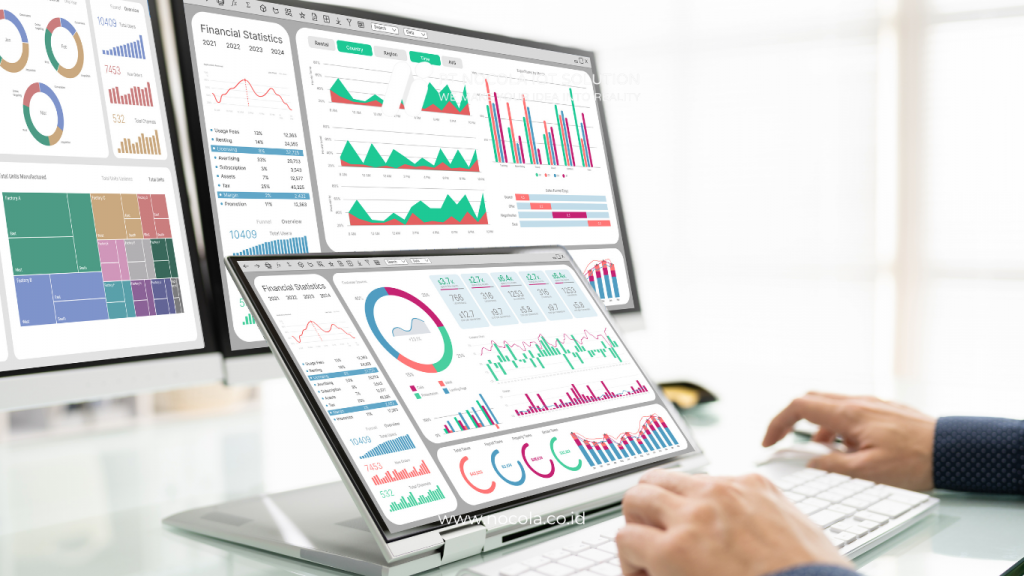
An IoT-based digital logsheet is a system used to automatically record, monitor, and store operational data through sensor devices and internet connectivity. With this system, field data such as machine temperatures, pressures, vibrations, water flow, or energy consumption can be sent directly to a digital dashboard without the need for manual input.
With IoT integration, all incoming data is automatic, accurate, and minimizes human error.
Before adopting digital systems, many industries face challenges with manual recording. Some common issues include:
Typographical errors, incomplete data, and incorrect inputs are common problems due to the manual nature of the process.
Data is only collected after being checked or input into a computer. As a result, information can be delayed and not used immediately for decision-making.
During audits or inspections, paper data is often scattered or hard to find due to disorganized storage.
Companies need to provide storage space, document cabinets, and substantial paper and ink supplies.
The excessive use of paper contradicts the go-green movement and sustainability, which is now a global industry standard.
These issues have led companies to seek modern technology-based solutions.

A digital logsheet is not merely a paper version converted into a digital file. It offers automation, accuracy, and high efficiency that cannot be achieved by manual methods.
IoT sensors automatically send data without manual entry, ensuring high accuracy.
Data can be accessed by operators, supervisors, or managers through laptops or smartphones directly.
Everything is recorded digitally. No more logbooks, checklists, or stacks of paper.
When deviations or parameters exceed safe limits, the system will send alerts immediately via email or applications.
Daily, weekly, and monthly reports can be generated automatically without manual compilation.
Every change or entry is recorded in the system, making it easy to trace during inspections or audits.

To clarify, here is a simple flow of how this system works in the field:

The implementation of IoT-based digital logsheet technology brings several benefits that significantly improve operational efficiencies:
Operators do not need to manually record data one by one. They can focus on checking the system when anomalies occur.
With faster recording and minimal errors, teams can focus on analyzing and improving processes.
Expenses for paper, ink, printing, physical archiving, and employee work time can be significantly reduced.
When internal or external audits occur, all data can be quickly and thoroughly accessed.
Paperless operations help companies implement environmentally friendly practices.
IoT-based digital logsheet solutions provide a real answer to replace slow, error-prone, and inefficient manual recording methods. With real-time data, cloud storage, and easy access, this system not only enhances productivity but also supports environmentally-friendly operations without the use of paper.
Industries seeking to be more modern, efficient, and competitive must start considering the use of digital logsheet technology as part of their digital transformation. Now, the era of Industry 4.0 is no longer a future vision—it is a reality we must embrace and implement.
You can find the original article here.
