Physical Address
304 North Cardinal St.
Dorchester Center, MA 02124
Physical Address
304 North Cardinal St.
Dorchester Center, MA 02124

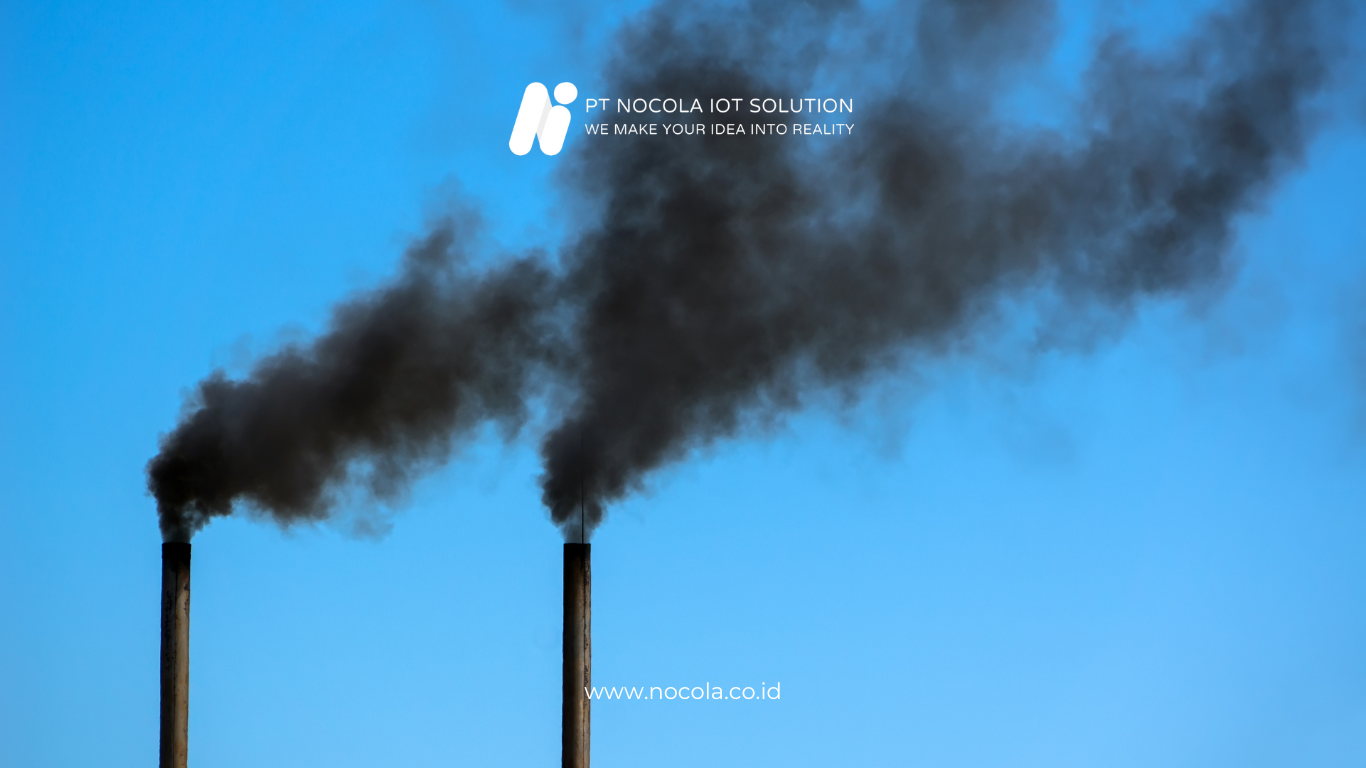
In the modern industrial era, environmental issues have become a focal point worldwide. One of the biggest challenges the industrial sector faces is controlling waste gas emissions generated by production processes. To address this challenge, innovations that can monitor emission levels in real-time, from smokestacks to digital dashboards, have emerged.
This technology not only helps companies comply with government regulations but also encourages them to be more responsible towards the environment.
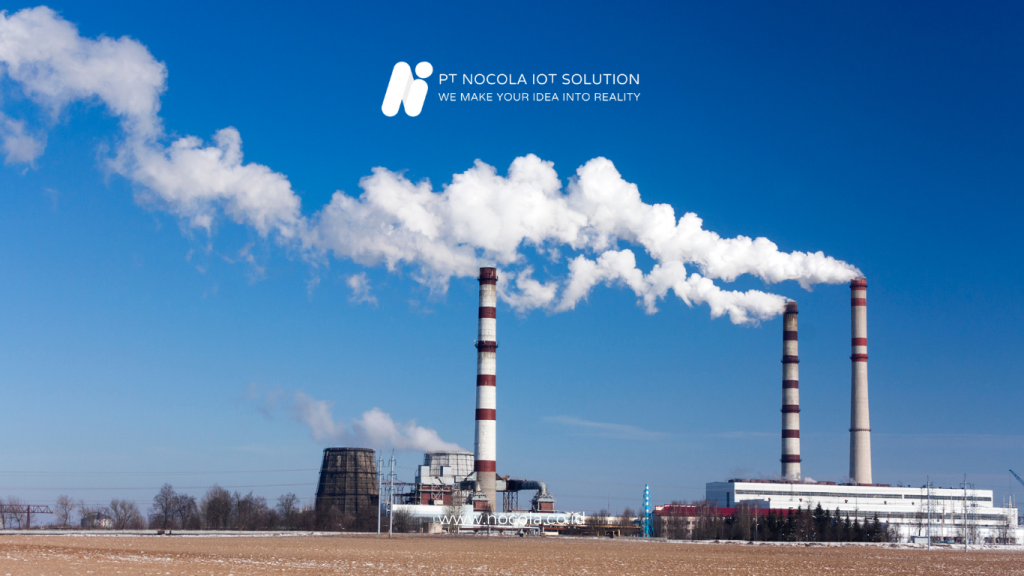
Also Read: Why CEMS Is Important for Regulatory Compliance and the Environment?
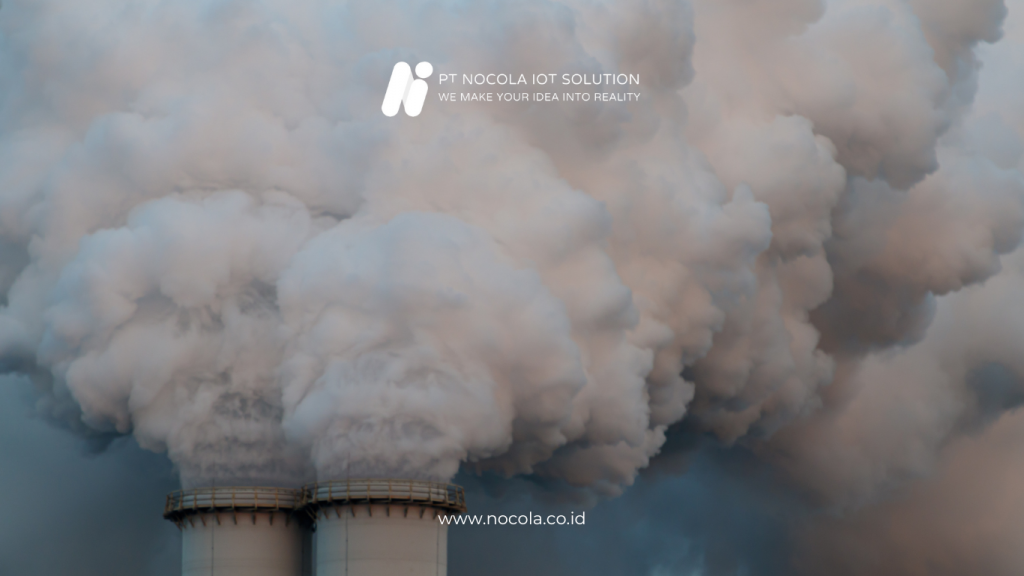
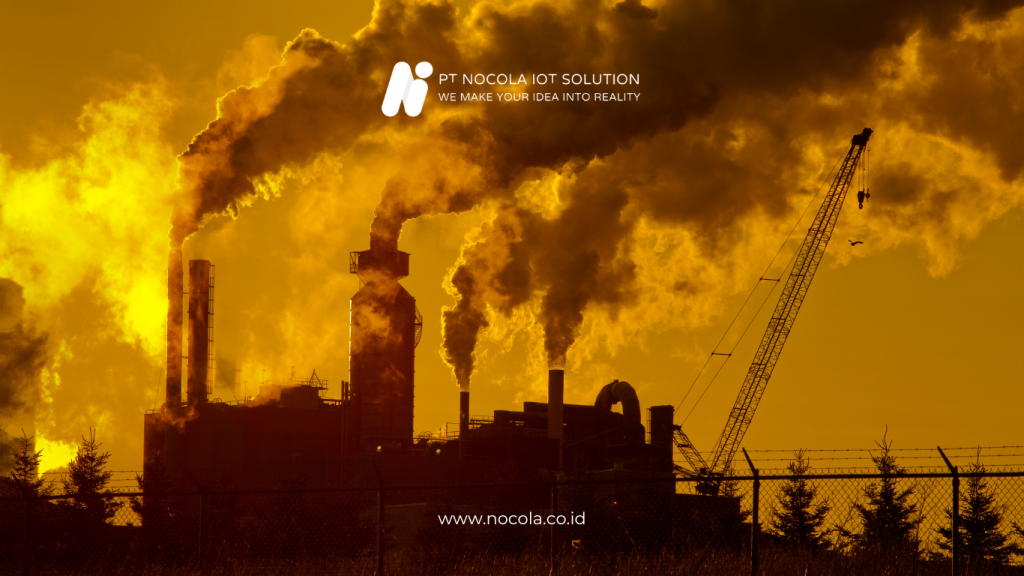
Emissions of gases such as CO₂, NOx, SO₂, and particulate matter are major contributors to air pollution and global climate change. Industries such as manufacturing, power generation, and chemical plants all contribute to this problem.
However, without accurate and real-time data, it is challenging to control or mitigate the impacts of these emissions.
With a modern emission monitoring system, companies can:
Emission monitoring is no longer an option but a necessity in the push towards sustainable industry.
Real-time emission monitoring technology is an automated system that measures, records, and reports waste gas emissions continuously.
One of the most recognized systems is the CEMS (Continuous Emission Monitoring System).
Its main components include:
With this system, operators can monitor emission performance from anywhere, even through mobile devices.
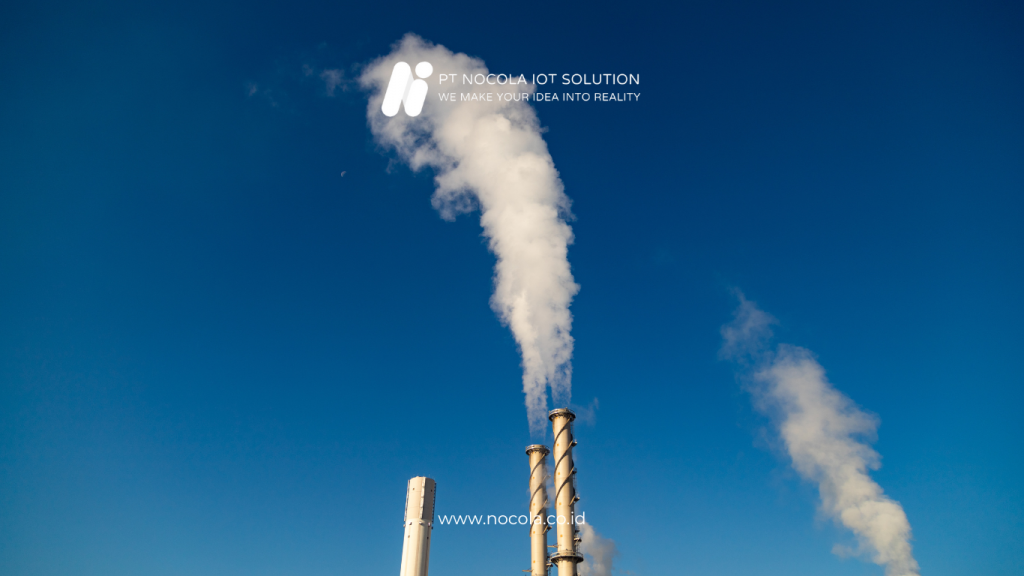
The principle behind this technology is simple yet highly effective:
This process, termed “From Smokestack to Dashboard,” ensures that monitoring proceeds automatically without manual intervention.
Modern monitoring systems bring a plethora of benefits, making them a superior solution for today’s industries:
The sensors used have high sensitivity with very low margins of error, ensuring the data produced is valid and reliable.
The system operates automatically, maintaining emission conditions under surveillance even when the factory is not in operation.
Data is not only stored locally but also uploaded to the cloud, allowing for access across multiple locations.
If emissions exceed limits, the system sends automatic notifications to the dashboard or the user’s smartphone.
With historical data, companies can analyze emission patterns and optimize burning processes to save energy and reduce production costs.
The implementation of real-time emission monitoring technology has shown significant positive impacts:
From smokestacks to dashboards — this phrase represents a new reality in the industrial world.
Real-time emission monitoring technology has transformed how companies manage their environmental impact, moving from manual systems to fully automated monitoring driven by IoT.
With high accuracy, operational efficiency, and contributions to sustainability, this technology serves as an essential foundation for a greener, more transparent, and responsible industrial future.
Its implementation not only supports regulatory compliance but also fosters a culture of smart industry that cares for the planet — a significant step towards an era of Net Zero Emissions.

