Physical Address
304 North Cardinal St.
Dorchester Center, MA 02124
Physical Address
304 North Cardinal St.
Dorchester Center, MA 02124

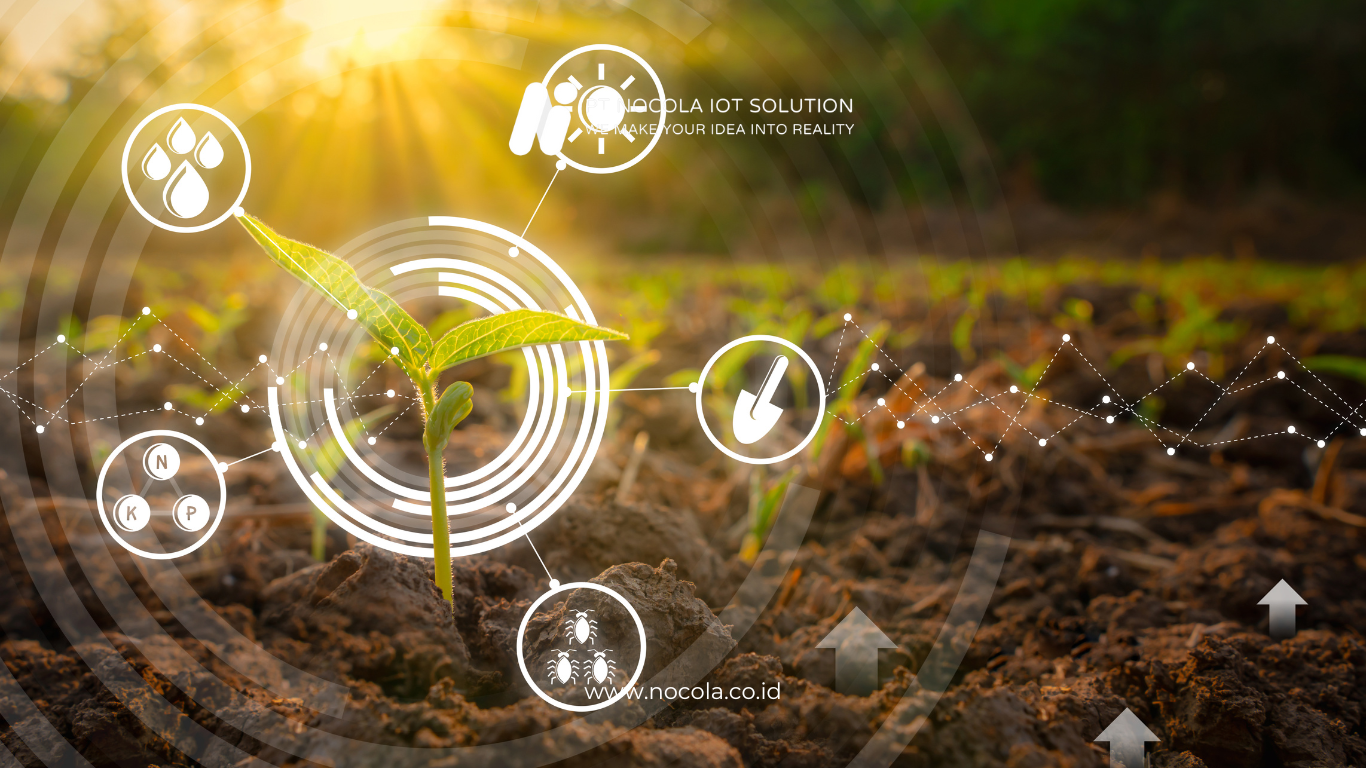
Agriculture is the sector that serves as the backbone of a country’s food security. However, in recent decades, various challenges such as climate change, rising production costs, pests, plant diseases, and labor shortages have caused agricultural productivity to decline. Given such conditions, there is an urgent need for innovative solutions that can address these issues quickly and accurately.
This is where the Internet of Things (IoT) emerges as a game changer. This technology brings a new approach that allows farmers to monitor land, crops, and environmental conditions in real-time. The result? Increased productivity, reduced waste, and risks that can be mitigated early on. This article discusses how IoT can bring significant changes to modern agriculture—from monitoring processes, automatic irrigation, weather forecasts, to utilizing data for more precise decision-making.
Read Also: The Use of Agricultural Sensors in Modern Agriculture
IoT in agriculture, or Agriculture IoT, refers to the integration of sensors, smart devices, and analytical systems used to monitor and manage agricultural processes automatically. IoT technology can collect data from various components such as:
This data is sent to a dashboard or cloud application that can be accessed anytime by farmers to understand land conditions in detail. With this information, decisions made become more accurate and efficient.

Indonesia has very erratic weather. Extreme rainfall, high temperatures, and uncertain seasons make crops vulnerable to stress and failure. IoT can provide accurate microclimate data, allowing farmers to act more quickly before damage occurs.
Traditional irrigation often leads to water and energy wastage. With IoT sensors, farmers can determine exactly when crops need water. Automatic irrigation systems can save up to 50% of water.
Many young people today are reluctant to work in agriculture. IoT can reduce the need for manual labor by automating processes such as irrigation, fertilization, and crop monitoring.
Society increasingly demands high-quality, healthy, and safe agricultural products. IoT helps improve crop quality as farming processes are conducted with full control from planting to harvest.
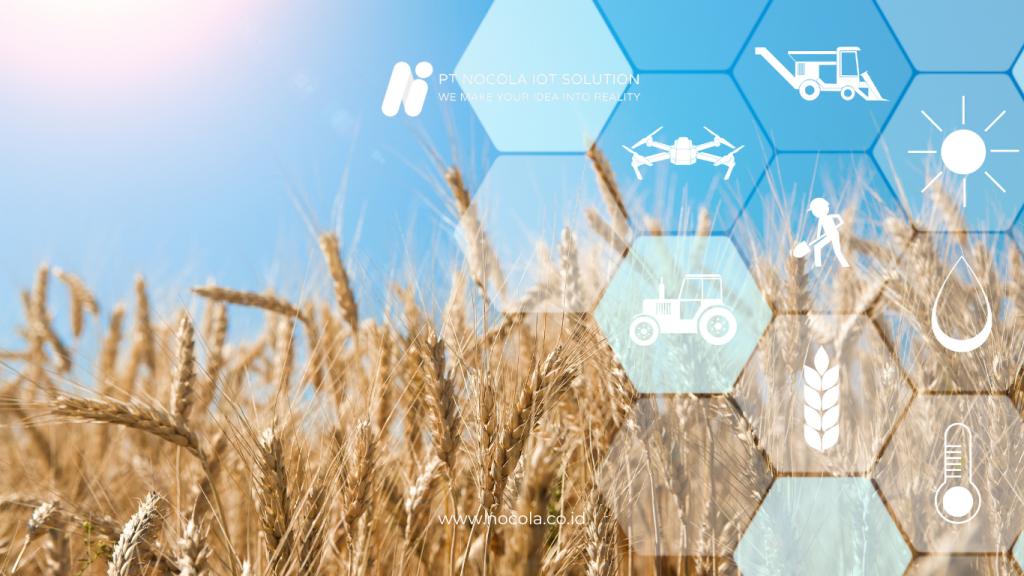
With IoT sensors placed in agricultural land, farmers can monitor crop conditions in real-time via smartphones or dashboards. The data generated helps expedite decision-making.
For example:
All this information minimizes the risk of crop failure.
IoT-based irrigation technology uses soil moisture and water flow sensors to determine when water should be distributed. This system prevents overwatering, which can endanger crops.
Benefits include:
With more precise monitoring, farmers can optimize all aspects of cultivation—from water and fertilizer amounts to harvest timing.
IoT helps:
As a result, productivity can increase by 30–50%.
IoT provides early warning information for environmental issues such as:
With automatic notifications, farmers can take action before losses escalate.
IoT can automate many time-consuming tasks. Examples include:
Automation makes the cultivation process more efficient and consistent.
Since sensors can detect plant conditions in detail, farmers no longer need to apply pesticides or fertilizers excessively. The use of chemicals becomes more measured and environmentally friendly.
IoT helps create agricultural systems that:
Sustainable agriculture is vital for creating long-term food security.
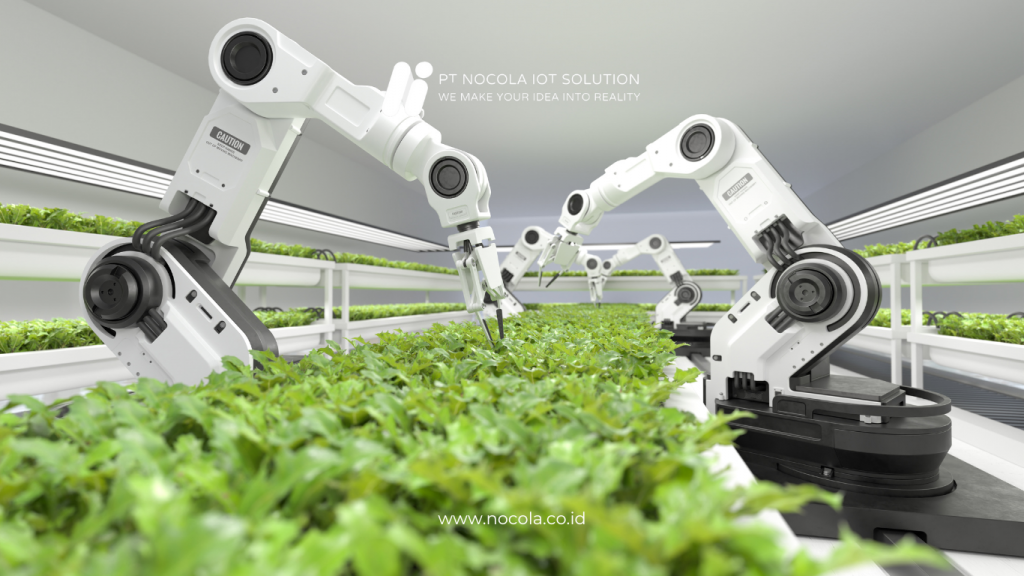
Smart greenhouses use sensors to control:
The automated system adjusts environmental conditions to optimize plant growth.
IoT-based drones can:
Drones expedite processes up to 5 times more efficiently compared to manual methods.
Irrigation timing, water volume, and duration are automatically controlled using IoT sensors.
AI cameras can detect discolored leaves, abnormal shapes, or pest signs within seconds.
Platforms like Tanam.me assist farmers in monitoring land conditions directly from dashboards or apps, providing complete insights for making more precise decisions.
IoT is no longer the technology of the future—IoT is the present-day solution for significantly increasing agricultural productivity. With real-time data, smart irrigation systems, automatic pest detection, and operational process automation, IoT can deliver larger harvests while minimizing crop damage risks.
Amid challenges such as unpredictable weather, rising operational costs, and labor shortages, modern agriculture requires technologies like IoT to remain competitive and sustainable.
By leveraging IoT, farmers not only enhance the quality of their harvests but also build a smarter, more efficient, and environmentally friendly future for agriculture in Indonesia.

