Physical Address
304 North Cardinal St.
Dorchester Center, MA 02124
Physical Address
304 North Cardinal St.
Dorchester Center, MA 02124


Access to clean water is one of the most fundamental needs in human life. Industries, governments, and communities are increasingly relying on water quality monitoring systems to ensure safe consumption, environmental sustainability, and compliance with regulations. In today’s digital era, technology offers faster, more accurate, and efficient solutions through the Water Quality Monitoring System (WQMS), a sensor-based and real-time data-driven water quality monitoring system.
WQMS has become an essential component in efforts to maintain aquatic ecosystems, prevent pollution, and support more transparent environmental governance. This article delves into what WQMS is, how it works, its benefits, and why this technology is a necessity in the modern era.
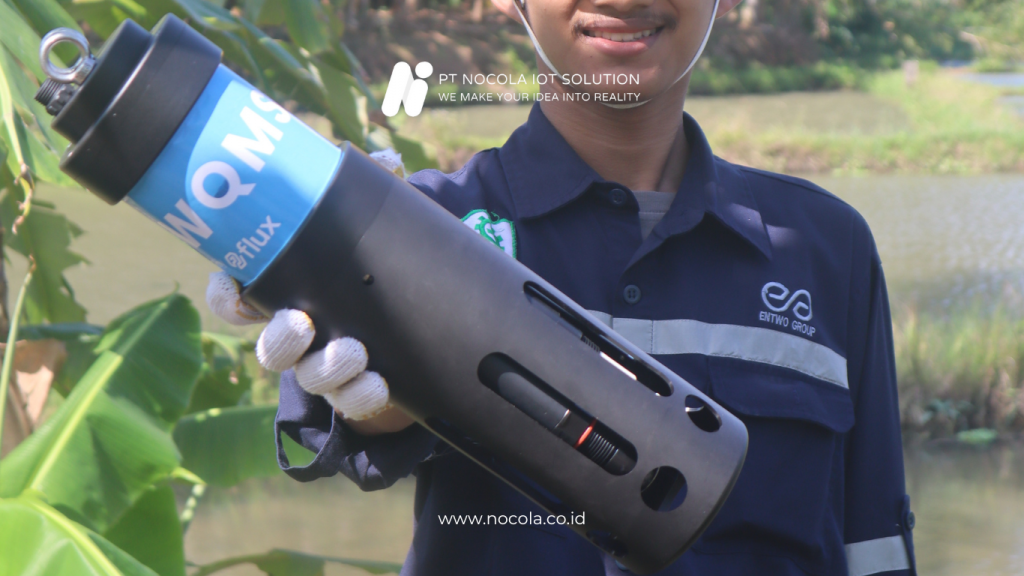
Read Also: WQMS: Real-Time Water Quality Monitoring Solution
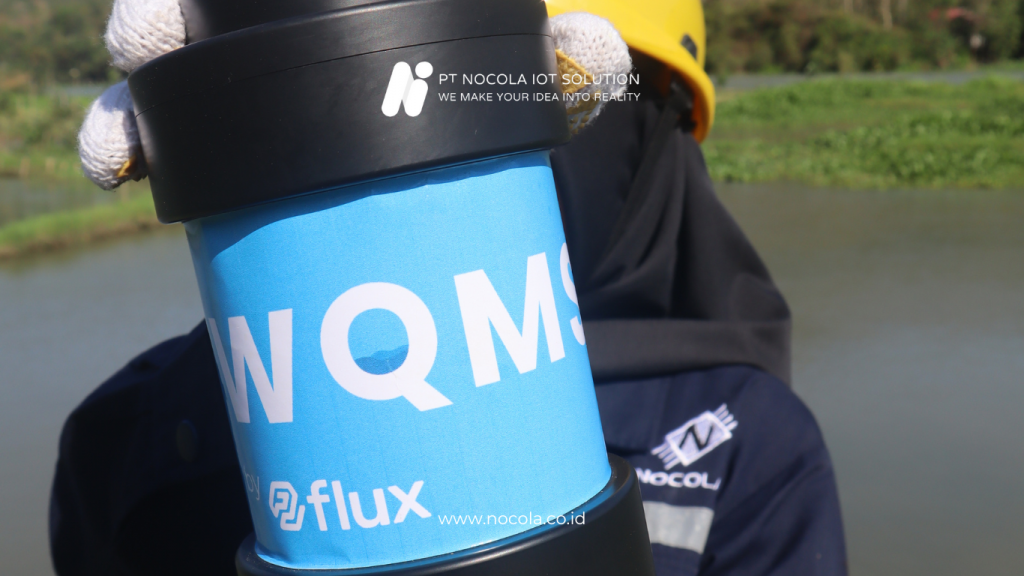
The Water Quality Monitoring System (WQMS) is an IoT-based system designed to monitor water quality parameters in real-time, including pH, temperature, dissolved oxygen (DO), turbidity, and more. Through sensors connected to a network, data is sent directly to a dashboard, enabling users to see water conditions anytime and anywhere.
This technology is far more effective than manual sampling, which is time-consuming, prone to errors, and cannot provide instant information.
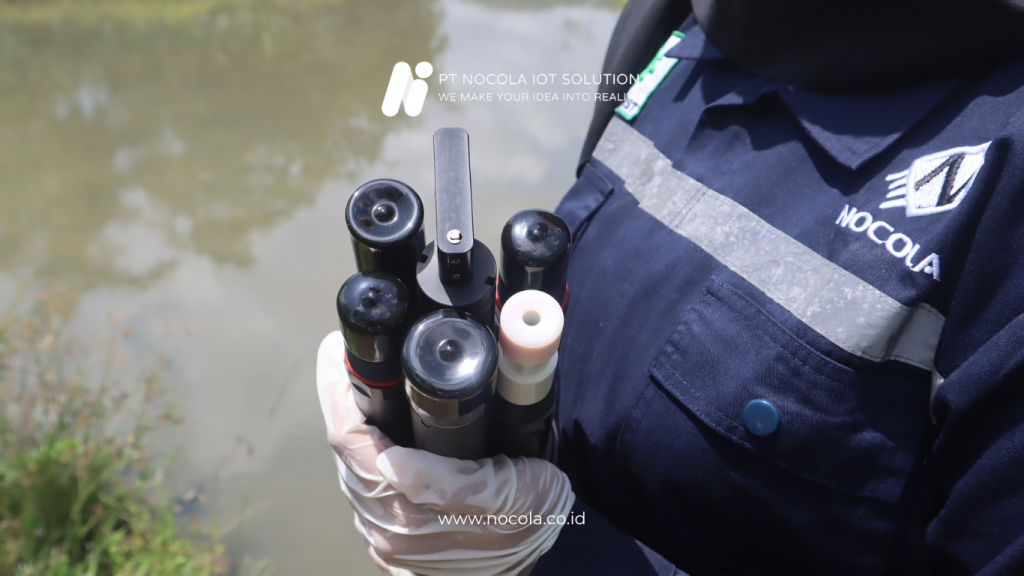
The system typically operates in four main steps:
Sensors are the core of WQMS. Commonly monitored parameters include:
These sensors are placed directly in rivers, lakes, reservoirs, industrial ponds, or other water sources.
Sensor data is sent to an IoT gateway that acts as a bridge between the field devices and the cloud server. The gateway processes, filters, and transmits data over networks such as:
The collected data is displayed on a web or mobile-based dashboard in the form of:
Monitoring can be conducted from the office, factory, or even through a smartphone.
If hazardous conditions arise, such as extreme pH or low DO levels, the system sends notifications to operators. This enables immediate action to be taken before environmental damage or operational disruptions occur.
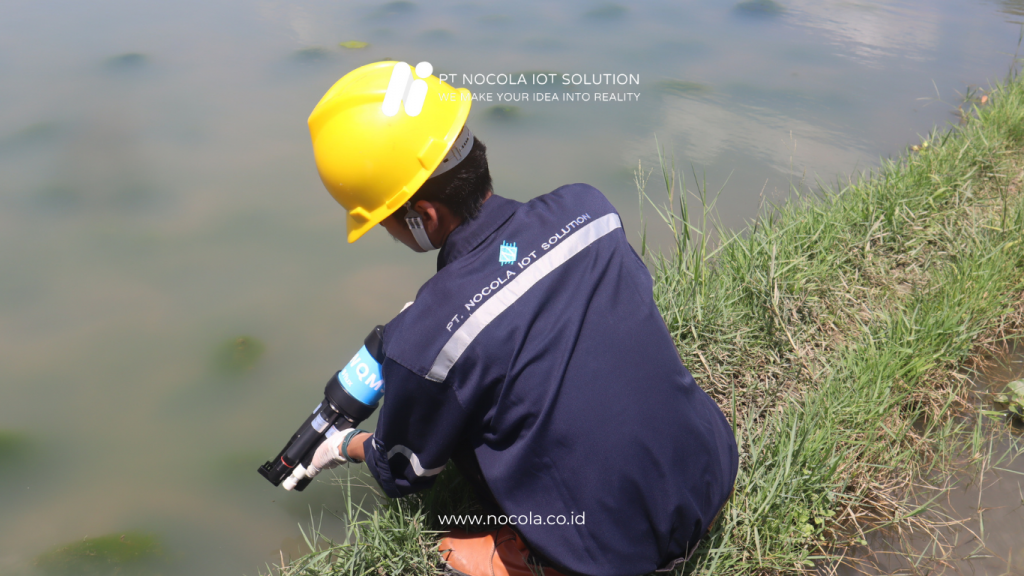
WQMS is highly relevant in managing river basin areas (DAS) and industrial pollution mitigation.
Industries such as:
require WQMS to monitor wastewater (effluent) before being released into the environment. This helps meet government standards and avoid penalties.
Water utility companies and private companies can monitor raw water quality, production water, and distribution to ensure customers receive safe and potable water.
In the fisheries industry, parameters like DO, pH, and temperature are critical for fish survival. WQMS helps maintain stable water quality in ponds.
With long-term data, researchers can analyze ecosystem changes, pollution trends, and the impacts of climate change.
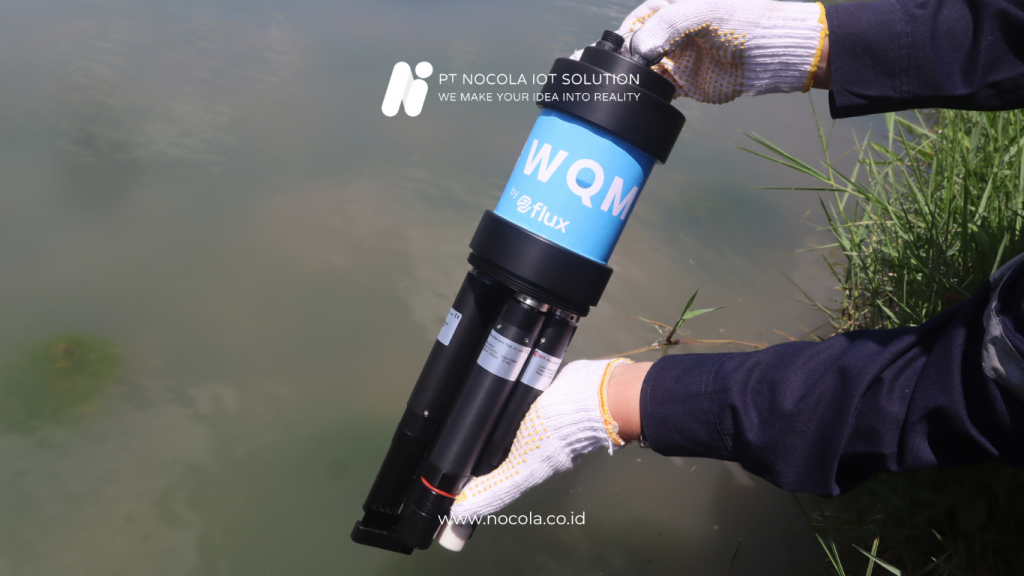
Manual sampling only provides a snapshot in time. WQMS delivers continuous data throughout the day.
Managers no longer need to conduct repetitive checks. The system operates automatically and directly sends results.
Modern sensors are highly sensitive and can detect even minor changes.
Although there is an initial investment, the long-term costs are much lower compared to the risks of pollution or fines.
Cloud-based dashboards allow users to monitor water conditions without being at the location.
Data is stored long-term for analysis, audits, and reporting.
Utilizes the latest communication technology for stable and secure connections.
Sensors can detect malfunctions or degradation in reading quality.
Operators receive alerts when parameters exceed safe limits.
Can connect with:
Water quality is a vital factor for human health, industry, and environmental sustainability. With the Water Quality Monitoring System (WQMS), monitoring processes become faster, more accurate, and reliable. IoT technology enables 24/7 oversight, providing real-time data crucial for decision-making.
From industries to governments, all stakeholders benefit from this automated monitoring system. Investing in WQMS not only preserves water quality but also protects our environmental future.
If Indonesia is to achieve better water quality and modern environmental management, then WQMS is an indispensable solution.

