Physical Address
304 North Cardinal St.
Dorchester Center, MA 02124
Physical Address
304 North Cardinal St.
Dorchester Center, MA 02124

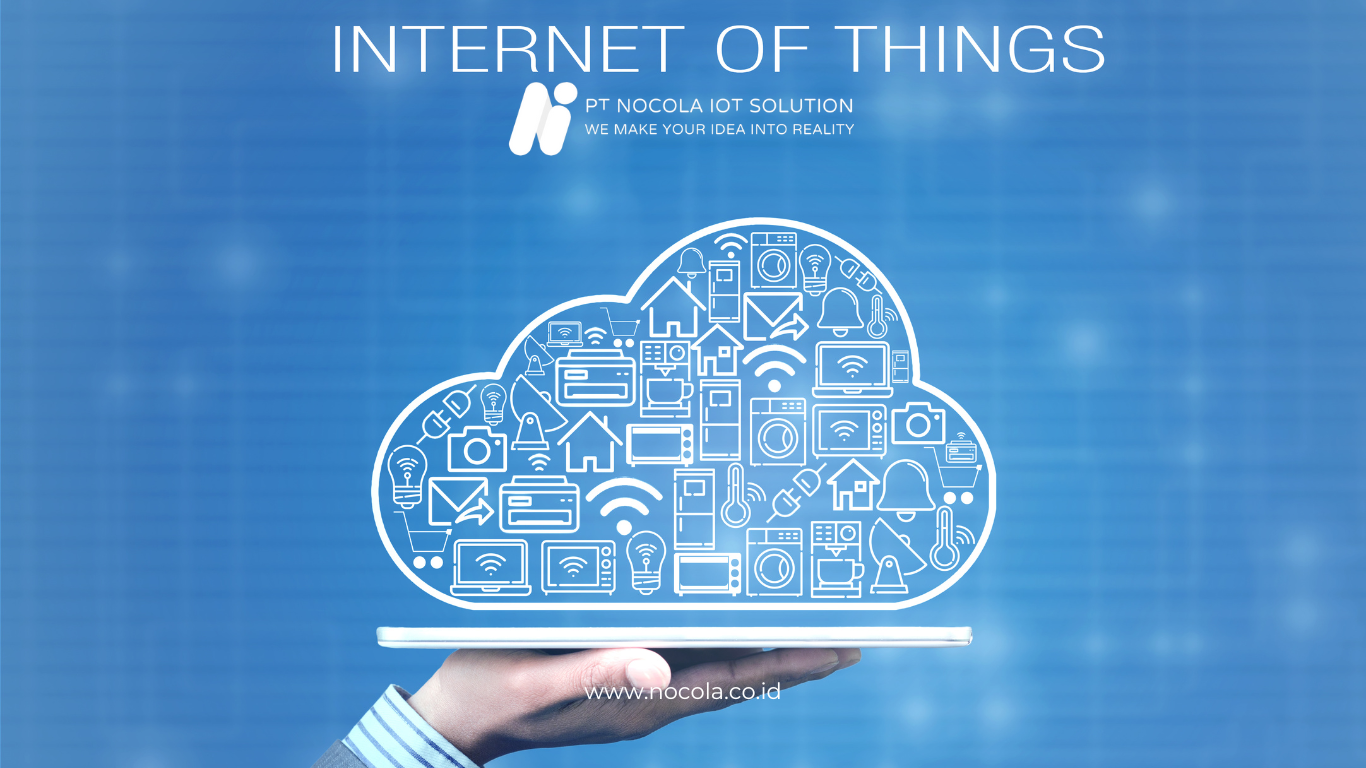
The rapid advancement of technology has given rise to various innovations that change how we live, work, and interact with our environment. One of the fastest-growing technologies is IoT – Internet of Things. IoT is now present in nearly all aspects of life, from agriculture, manufacturing, and smart homes to energy and healthcare. While often mentioned, many people still do not fully grasp what IoT is and how this technology works.
This article thoroughly explains the concept of IoT, how it operates, its benefits, and examples of its applications that you encounter daily.
Read Also: 5 Quick Tutorials: Create Your Own IoT Home Security System
An IoT sensor is a small device designed to detect physical changes such as temperature, humidity, pressure, vibration, light, or gas, and convert them into digital data that can be processed and sent to other systems.
In simple terms:
Sensor = The “Senses” of IoT Devices.
Like eyes see light, ears hear sounds, and skin feels temperature, IoT sensors perform similar tasks—but in the form of data that can be processed by computers.
Without sensors, IoT would merely be a “regular device” lacking analytical capabilities.
Sensors enable:
In the modern industrial era, data has become the most valuable asset. IoT sensors serve as the primary source of this data.
To work effectively, IoT sensors require several supporting components:
This part responds to physical stimuli like heat, light, or vibration.
Converts analog signals into digital data.
Processes the reading data before it is sent out.
Sends data to a server via WiFi, LoRa, GSM, or other technologies.
Can be a battery, adapter, or solar panel.
Here is the complete process from the moment the sensor reads data until it appears on the dashboard:
The sensor reads specific variables, for example:
The sensor generates an analog signal, such as:
Computers and microcontrollers only understand digital data (0s and 1s), so the analog signals need to be converted.
This is where the ADC (Analog-to-Digital Converter) plays its role.
Examples of microcontrollers include:
The processes that occur include:
Data transmission depends on network types, for example:
The server or cloud platform (like FluxCloud, AWS IoT, Azure IoT) stores the data and prepares it for analysis.
The data eventually appears in the form of:
For example, the Flux Monitoring System Dashboard can display sensor values per second, data history, alarms, and even machine predictions.
Used in:
Examples: DS18B20, DHT22.
Widely used for environmental and agricultural monitoring.
Examples: SHT31, DHT11.
Used for:
Parameters include:
Measure:
Used in AQMS & CEMS.
For:
Examples: Accelerometer, piezo sensor.
Commonly used in:
Used for:
IoT sensors are essential components that enable the entire IoT ecosystem to operate automatically, in real-time, and effectively. Without sensors, IoT cannot collect data or provide insights that are valuable for users or companies.
By understanding how IoT sensors work—from reading data, converting signals, processing data, to sending it to the cloud—we can see how this technology forms the foundation for smart cities, smart farming, smart industries, and environmentally friendly technologies like WQMS, AQMS, and CEMS.
If you need further modifications or additional information, feel free to ask!
