Physical Address
304 North Cardinal St.
Dorchester Center, MA 02124
Physical Address
304 North Cardinal St.
Dorchester Center, MA 02124
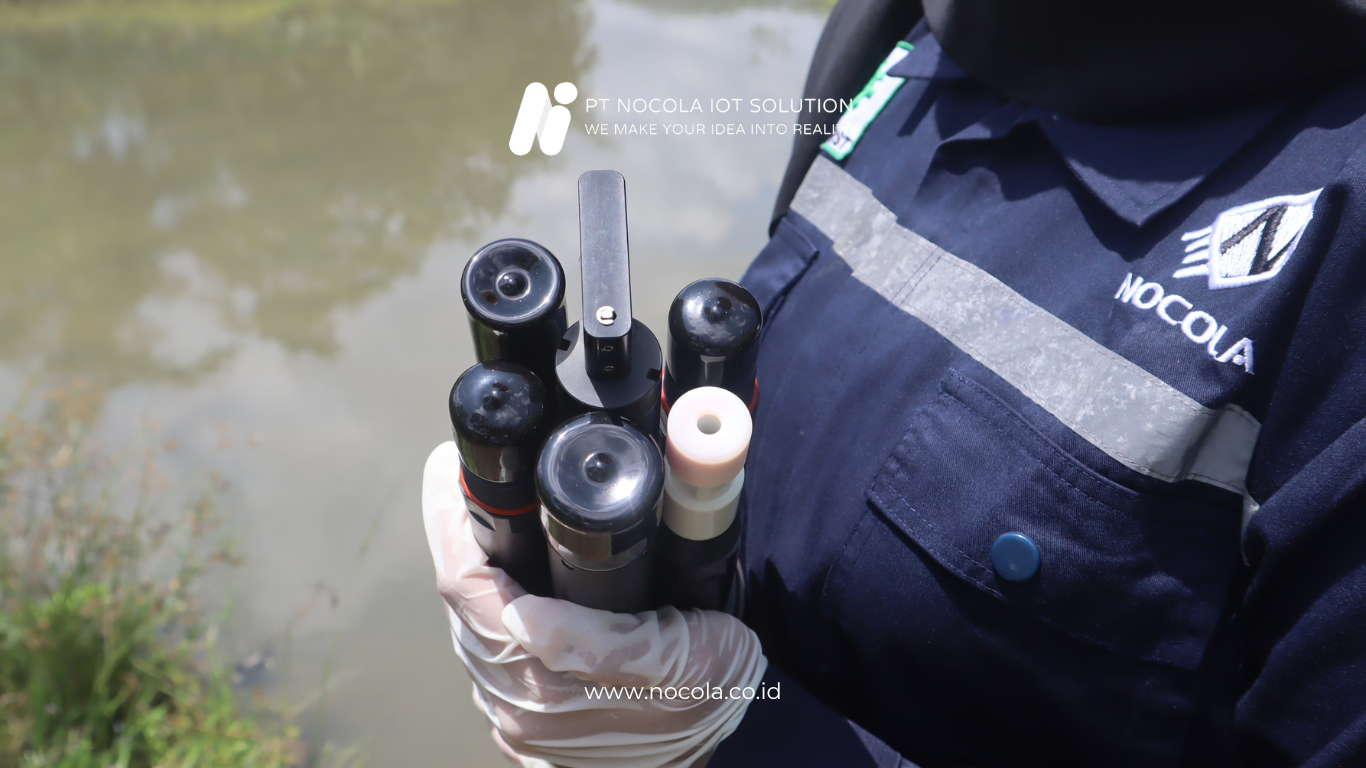
Water quality is one of the key indicators in industrial operations, environmental management, and public service delivery. Across manufacturing, energy, mining, industrial estates, and wastewater management sectors, companies are required to ensure that both the water they use and the water they discharge into the environment meet applicable standards.
In practice, however, much water quality monitoring is still carried out manually and periodically. Field officers must visit the site, collect samples, and send them to laboratories for analysis. This process requires significant time, cost, and human resources.
At the same time, water conditions can change rapidly. Weather variations, production activities, and disturbances in treatment systems can cause water quality parameters to fluctuate within a short period. If monitoring is conducted only periodically, potential pollution incidents or non-compliance with standards may go undetected.
This is where the role of WQMS (Water Quality Monitoring System) becomes highly important. By using sensor-based monitoring and digital systems, WQMS enables companies to monitor water conditions in real time, continuously, and in an integrated manner.
This article discusses how WQMS helps companies and environmental managers monitor water quality in real time and highlights the strategic benefits that can be achieved through the implementation of this system.
Read also: Continuous Water Monitoring with an Integrated WQMS
Conventional water quality monitoring generally relies on sampling at specific points. The collected samples are then tested in laboratories to determine the values of various parameters.
This method has several limitations. First, the resulting data is only a snapshot that represents water conditions at the time of sampling. Changes occurring before or after the sampling period are not recorded.
Second, the sampling and testing process takes time. Analysis results are often available only several hours or even days later. If water quality deteriorates, corrective actions cannot be taken promptly.
Third, manual monitoring requires dedicated personnel and additional operational costs. For hard-to-reach locations, the sampling process becomes even more complex.
In addition, manual recording of measurement results increases the risk of data entry errors and inconsistent data formats.
In the context of modern environmental management, this approach is no longer sufficient to support fast, data-driven decision-making.
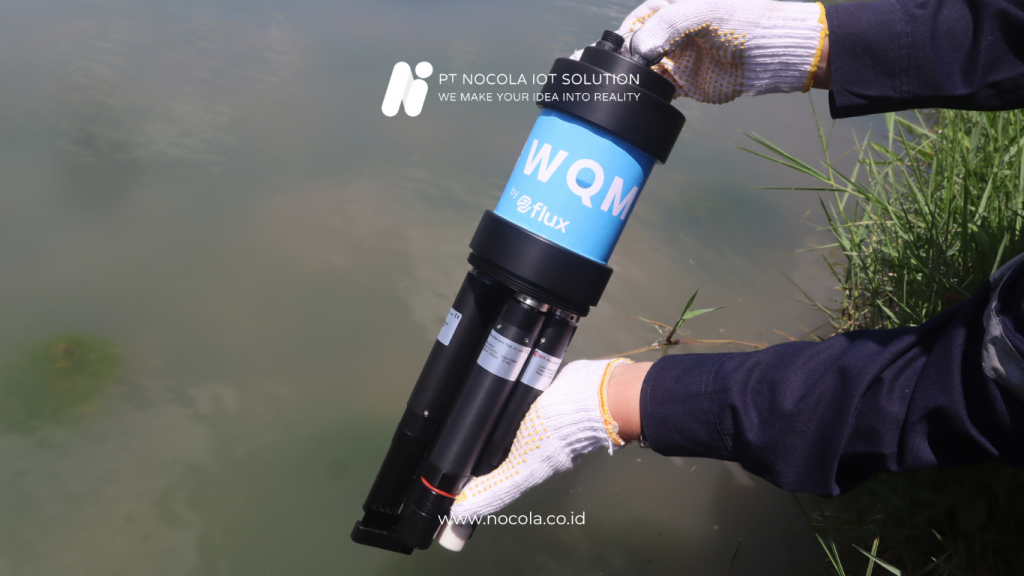
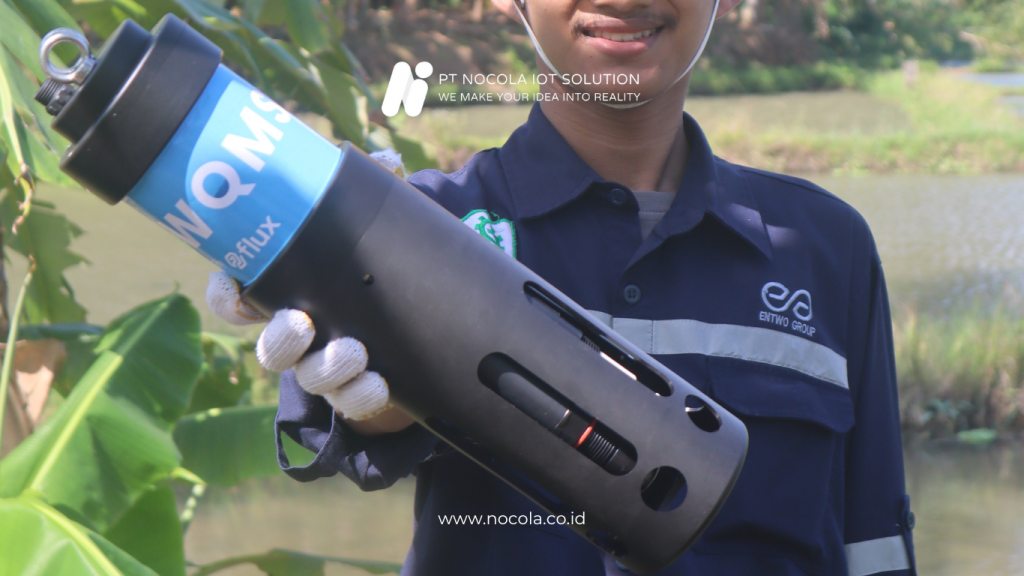
WQMS, or Water Quality Monitoring System, is a sensor-based water quality monitoring system designed to perform continuous measurements.
Sensors installed at monitoring points automatically measure water quality parameters. The collected data is then transmitted to a central system through a communication network.
Through a monitoring dashboard, users can view real-time water quality conditions. The data is presented in the form of charts, tables, and easy-to-understand status indicators.
WQMS also stores historical data that can be used for trend analysis and long-term evaluation.
Within solutions developed by Nocola, WQMS can be integrated with an integrated monitoring platform and other digital systems. This allows companies to manage water quality data alongside other environmental and operational data.
With this approach, WQMS functions not only as a measurement tool, but also as part of a digital-based environmental management system.
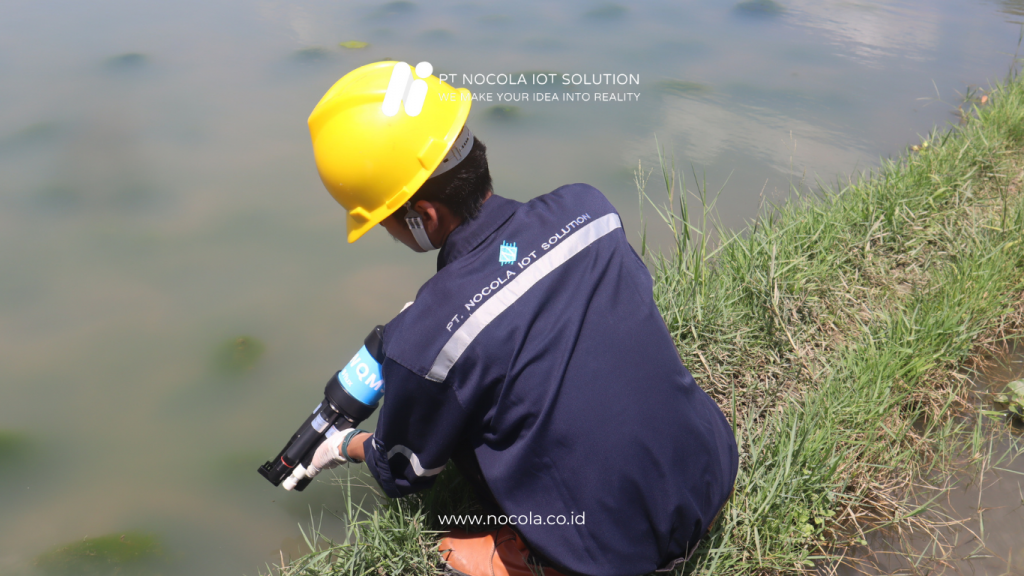
One of the main advantages of WQMS is its ability to automatically monitor multiple water quality parameters.
Commonly monitored parameters include pH level, water temperature, dissolved oxygen, turbidity, and conductivity.
In addition, WQMS can be used to monitor other parameters that are relevant to industrial or environmental management needs, depending on the types of sensors installed.
By enabling multi-parameter monitoring, companies can obtain a comprehensive overview of water conditions at a specific location.
Data for each parameter is displayed in real time and can be configured to trigger alerts when values exceed predefined thresholds.
This approach helps operational teams detect potential issues at an early stage, before they have wider impacts on production processes or the surrounding environment.
With structured and continuous data, WQMS supports a more proactive approach to water quality management.
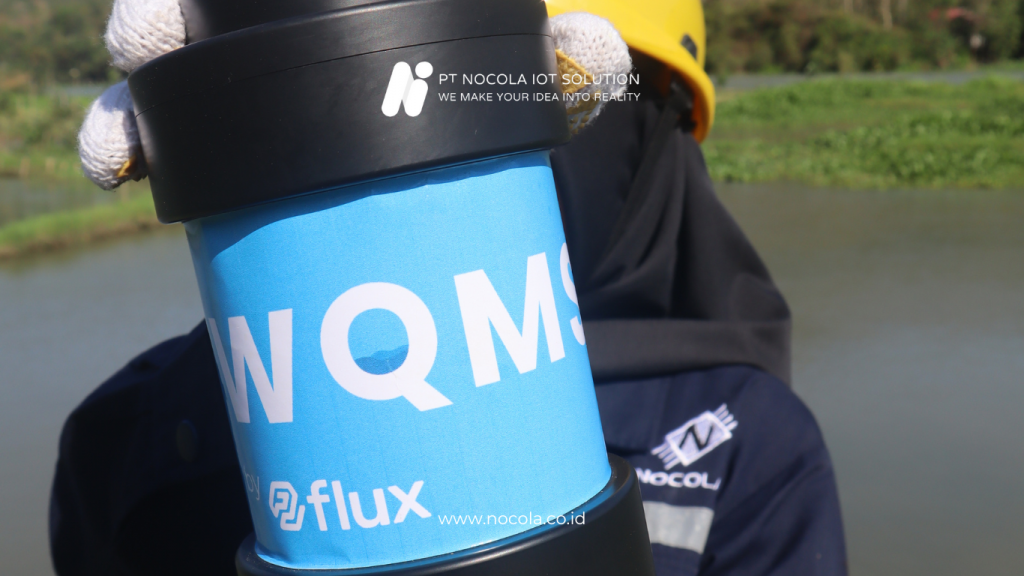
The implementation of WQMS delivers a wide range of strategic benefits for companies and environmental managers.
The first benefit is improved visibility of actual water quality conditions. With real-time data, teams can understand site conditions without having to be physically present at the location.
The next benefit is faster response to potential pollution incidents or process disturbances. When significant parameter changes occur, teams can immediately take corrective actions.
WQMS also helps improve compliance with environmental regulations. Automatically stored data simplifies reporting and audit processes.
In addition, the use of WQMS reduces reliance on time-consuming and costly manual testing.
In the long term, historical data from WQMS can be utilized for trend analysis, evaluation of water treatment system performance, and planning for environmental performance improvements.
With a data-driven approach, companies can establish more efficient and sustainable water management systems.
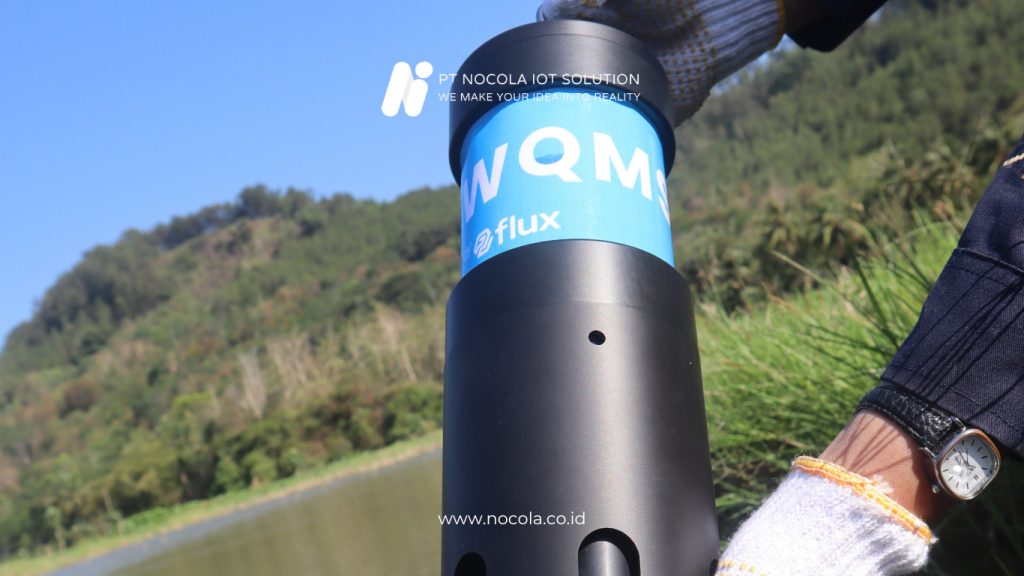
To maximize the value of WQMS, the system needs to be integrated with the company’s digital platforms.
Through integration, water quality data can be linked with other operational data such as production load, equipment status, and maintenance activities.
Within the Nocola ecosystem, WQMS can be connected to an integrated monitoring platform, enabling users to monitor water quality alongside other environmental and operational indicators within a single dashboard.
This approach helps companies build an integrated monitoring system that supports cross-functional decision-making.
In addition, integration with field activity logging systems allows companies to link water quality data with actions taken by on-site teams.
With an integrated digital system, companies can build more efficient workflows, from monitoring and analysis to reporting.
WQMS no longer stands alone as a monitoring system, but becomes a key part of a digital ecosystem for environmental management.
Periodic water quality monitoring is no longer sufficient to address the challenges of modern industrial operations and environmental management. Water conditions can change rapidly, making real-time monitoring essential.
WQMS provides a technological solution for continuously, accurately, and digitally monitoring water quality.
Through WQMS, companies can improve visibility of water conditions, accelerate responses to potential issues, and support compliance with environmental regulations.
By integrating WQMS into an integrated monitoring platform, companies can establish more transparent, efficient, and data-driven water quality management systems.
The implementation of WQMS represents a strategic step for companies seeking to strengthen environmental management, improve operational performance, and build a sustainable foundation for digital transformation.
