Physical Address
304 North Cardinal St.
Dorchester Center, MA 02124
Physical Address
304 North Cardinal St.
Dorchester Center, MA 02124

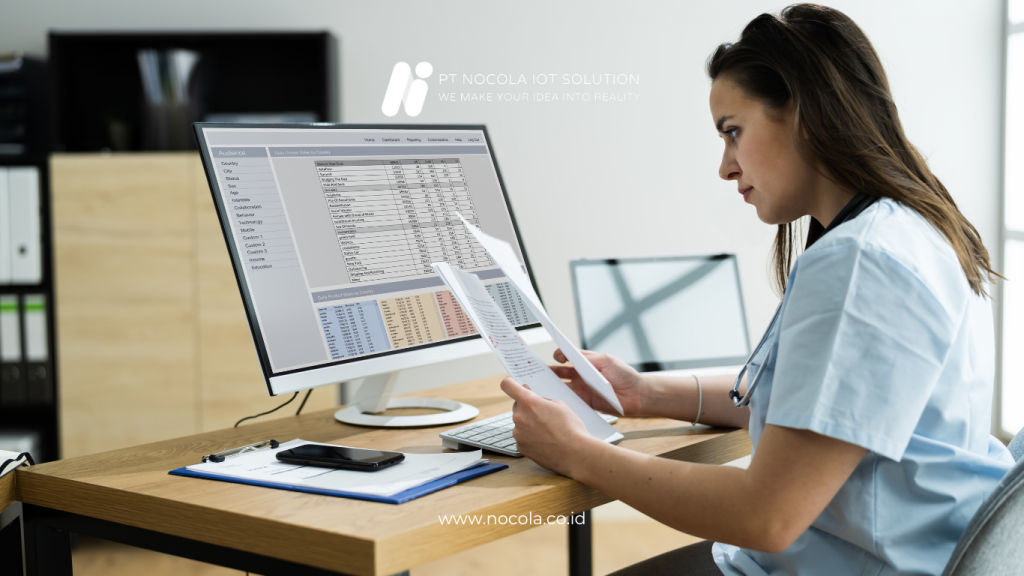
In many companies and organizations, operational activities are still recorded manually using logbooks or paper documents. This method has been used for many years and is often considered a simple way to document various daily activities in the field.
However, in today’s digital era, manual recording systems are beginning to face many limitations. From the risk of data loss and recording errors to difficulties in accessing and analyzing collected information.
In work environments that demand efficiency and fast decision-making, manual recording methods often become a barrier to productivity. Data collection becomes slower, reports take longer to compile, and coordination between teams becomes less effective.
For this reason, many companies are starting to switch to digital systems to manage operational activity records. One solution that is becoming increasingly popular is the use of Digital LogSheet.
Digital LogSheet is a technology-based recording system that allows operational teams to document various activities electronically through digital devices such as smartphones, tablets, or computers. With this system, data can be recorded, stored, and accessed in real time without the need for paper.
In addition to simplifying the recording process, Digital LogSheet also helps improve data accuracy, accelerate reporting processes, and make it easier for management to monitor operational activities directly.
This article will discuss why manual recording systems are gradually being abandoned, how Digital LogSheet works, and the various benefits companies can gain by switching to digital recording systems.
Read Also: Reducing Human Error with Nocola Digital LogSheet
Although it appears simple, manual record-keeping presents several challenges that can affect the effectiveness of a company’s operations.
One of the most common issues is human error. When records are written manually, the possibility of writing mistakes is very high. Unclear handwriting, missed data, or incorrect numbers can make the information inaccurate.
In addition, manual recording often requires more time. Operational teams must write down each piece of information manually and then submit the report to supervisors or management for recapitulation.
This process becomes even more complex if the company has many activities that need to be recorded every day.
Another common issue is difficulty accessing historical data. When data is stored in books or physical documents, searching for information becomes very time-consuming.
Management teams must open documents one by one to find the data they need. This is certainly inefficient, especially when the data is required for analysis or quick decision-making.
The risk of data loss is also a major challenge in manual recording systems. Physical documents can be damaged, lost, or accidentally discarded.
When this happens, companies may lose important information that could be needed in the future.
With these challenges, many companies are beginning to look for more effective ways to manage their operational activity records.

A Digital LogSheet is an operational activity recording system that uses a digital platform to replace manual recording methods.
Through this system, various activities such as inspections, maintenance, job checklists, and daily reports can be recorded electronically using digital devices.
The way a Digital LogSheet works is actually quite simple. Operational teams only need to open the application or system provided and fill in a digital form according to the activities performed.
The data entered will be stored directly in the system and can be accessed by management teams in real time.
With this system, the recording process becomes faster because users no longer need to write reports manually on paper.
In addition, Digital LogSheets are usually equipped with various additional features that help improve the quality of record-keeping, such as:
These features help ensure that recorded data is more complete, accurate, and easy to understand.
Furthermore, all data stored in the system can be processed into reports or graphs that help management understand operational conditions more clearly.

The use of Digital LogSheet provides various benefits for operational teams responsible for recording field activities.
One of the main advantages is ease of recording daily activities. With a digital system, operational teams can record their activities directly from the devices they use without having to carry notebooks.
This is especially helpful for teams working in the field or in large operational areas.
In addition, Digital LogSheet also helps improve data accuracy. Digital systems usually have predefined input formats so users cannot enter data randomly.
This helps reduce the possibility of recording errors that often occur in manual systems.
Another benefit is time savings in the reporting process. When using manual systems, reports often need to be recapped before being sent to management.
With a Digital LogSheet, the data entered by operational teams is immediately stored in the system and can be accessed by relevant parties.
This makes the reporting process much faster and more efficient.
Digital LogSheets also make it easier for operational teams to document activities. Many Digital LogSheet systems allow users to add photos or additional notes as proof of completed activities.
This feature is very helpful for operational evaluations and audit processes.
Not only does it benefit operational teams, but the use of Digital LogSheet also has a positive impact on company management.
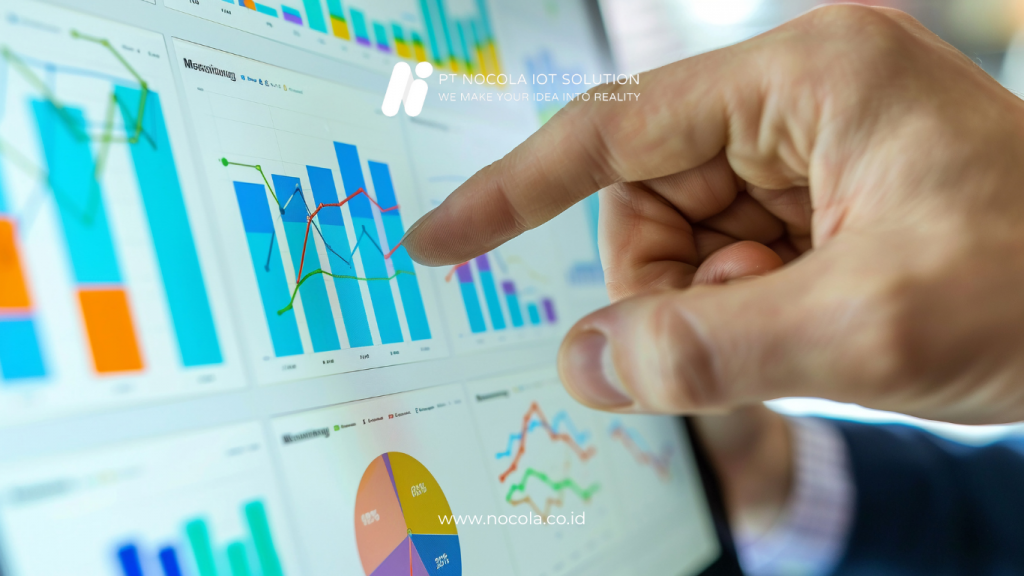
One of the biggest advantages is the ability to monitor operational activities in real time. With a digital system, management does not need to wait for daily reports to understand field conditions.
Data entered by operational teams can be viewed immediately through the monitoring dashboard available in the system.
This helps management make faster and more accurate decisions.
In addition, Digital LogSheet simplifies the process of operational data analysis. Because all data is stored digitally, companies can easily process it to identify trends, activity patterns, or potential problems.
This data can be used to improve operational efficiency, identify areas that need improvement, and plan more effective operational strategies.
The use of digital systems also helps increase transparency in work reporting. Each activity recorded in the system is usually equipped with timestamp information and user identity.
This makes reporting more transparent and accountable.
In the long run, this transparency also helps improve accountability within company operations.

The shift from manual systems to digital systems is part of the digital transformation currently happening across many industries.
Companies that still rely on manual recording methods risk falling behind in terms of operational efficiency and data management.
By using Digital LogSheet, companies can increase the productivity of operational teams while improving the quality of data used in decision-making processes.
In addition, digital systems help companies reduce paper usage, making operations more environmentally friendly and supporting sustainable practices.
Switching to Digital LogSheet also opens opportunities to integrate recording systems with other technologies such as IoT monitoring systems, analytics dashboards, and operational management platforms.
This integration allows companies to build a more modern, integrated, and data-driven operational system.
With these advantages, it is not surprising that more companies are adopting Digital LogSheet as part of their digital transformation strategy.
The use of manual records in company operations has long been a common practice. However, this method has several limitations, such as the risk of recording errors, difficulty accessing data, and time-consuming reporting processes.
Digital LogSheet emerges as a practical solution that helps companies overcome these challenges. With a digital recording system, operational activities can be documented faster, more accurately, and more efficiently.
In addition to simplifying daily activity recording for operational teams, Digital LogSheet also provides major benefits for management by enabling real-time operational monitoring and more effective data analysis.
With these advantages, Digital LogSheet becomes an essential solution for companies that want to improve operational efficiency while supporting digital transformation in the modern era.
For companies that still rely on manual records, switching to Digital LogSheet is not just a change in recording systems but also a strategic step toward building more modern, transparent, and data-driven operations.
