Physical Address
304 North Cardinal St.
Dorchester Center, MA 02124
Physical Address
304 North Cardinal St.
Dorchester Center, MA 02124

The development of digital technology in recent years has brought significant changes to various aspects of human life. One technology that has garnered attention in digital transformation is the Internet of Things (IoT).
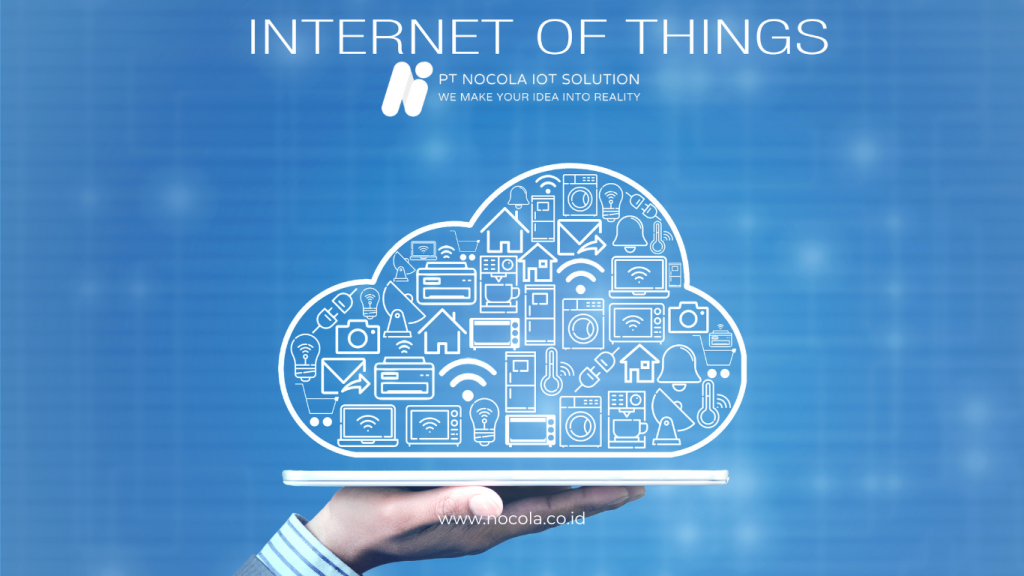
IoT is a technological concept that enables various physical devices to connect to the internet and exchange data automatically. By utilizing sensors, software, and network connectivity, IoT devices can collect data from their surroundings and send that information to a central system for analysis.
This technology is increasingly being adopted because it enhances efficiency, provides more accurate data and supports decision-making based on real-time information.
Currently, IoT is not only used by large tech companies but has also been applied across various sectors such as manufacturing, energy, agriculture, transportation, and daily life.
Many people may still wonder, What is IoT actually used for? What benefits can this technology provide for both the industrial world and the general public?
This article will comprehensively discuss various applications of IoT in modern life and how this technology helps create systems that are more efficient, intelligent, and connected.
One of the sectors that greatly benefits from IoT technology is manufacturing. In an industrial environment, operational efficiency and equipment monitoring are crucial to ensuring smooth production processes.
IoT allows companies to install various sensors on production machines, industrial equipment, and other operational facilities. These sensors can collect data such as machine temperature, pressure, vibrations, energy usage levels, and the operational condition of equipment.
The collected data is then sent to a monitoring system that can be accessed by operators and management.
With IoT-based monitoring systems, companies can monitor machine conditions in real-time. If abnormalities or potential equipment failures occur, the system can provide early warnings, allowing technical teams to perform repairs promptly.
This approach is known as predictive maintenance, a method of maintaining equipment based on machine condition data rather than just routine schedules.
Moreover, IoT also helps companies improve production efficiency. The operational data collected can be used to analyze machine performance and identify opportunities for productivity enhancement.
Thus, IoT usage in industry not only helps maintain operational stability but also increases efficiency and reduces equipment maintenance costs.
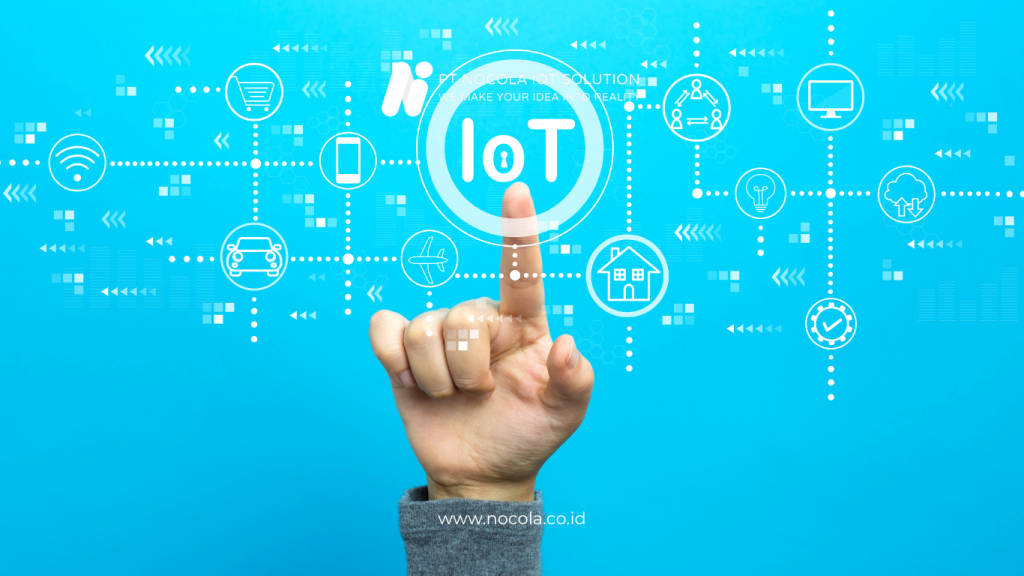
In addition to its applications in industry, IoT is also increasingly used in daily life through the concept of smart homes.
A smart home is a household system equipped with devices that can be controlled via the internet. These devices may include smart lights, security cameras, air conditioning systems, and other household electronics.
Using smartphone applications, users can control various devices in their homes remotely. For example, turning on lights before arriving home, automatically adjusting air conditioning temperature, or monitoring house conditions via security cameras.
One of the main benefits of IoT in smart homes is enhancing the comfort and security of residents.
For example, IoT-based security systems can send notifications to smartphones if suspicious activity is detected around the house. This helps homeowners take swift action if potential security threats arise.
Additionally, IoT also aids in improving energy efficiency at home. Automation systems can optimize electricity use, such as turning off lights or electronics not in use.
Thus, smart homes offer comfort while also helping save energy.
IoT technology also has a significant impact on the agriculture sector through a concept known as smart farming.
In modern agriculture, farmers face various challenges such as climate change, limited water resources, and the need to enhance land productivity.
IoT helps address these challenges by providing sensor-based monitoring systems that measure various environmental parameters, such as soil moisture, air temperature, light levels, and crop conditions.
The data collected by sensors can be used to determine optimal irrigation times, fertilizer needs, and most suitable environmental conditions for plant growth.
With more accurate monitoring systems, farmers can manage their agricultural land more efficiently.
Additionally, IoT also contributes to water resource management. Smart irrigation systems can automatically regulate water flow based on soil and weather conditions.
This helps reduce water waste while improving crop yields.
IoT technology in agriculture also enables remote land monitoring. Farmers can access data on land conditions through digital applications, eliminating the need to be on-site constantly to monitor crops.
With these numerous benefits, IoT plays a crucial role in enhancing productivity in modern agriculture.
The use of IoT is also expanding in the fields of environmental monitoring and infrastructure management.
Many cities around the world are beginning to adopt the smart city concept, which is a management system that utilizes digital technology to enhance public service quality and resource management efficiency.
In this context, IoT is used to monitor various environmental aspects such as air quality, water quality, noise levels, and traffic conditions.
Sensors installed in various locations can collect real-time environmental data. This data is then used by governments or relevant agencies to make more informed decisions regarding city management.
For instance, air quality monitoring systems can assist governments in identifying areas with high pollution levels so necessary mitigation measures can be taken.
IoT is also utilized in infrastructure management, such as bridges, highways, and utility networks. Sensors can detect structural changes, allowing potential damage to be recognized early.
With more advanced monitoring systems, infrastructure management can be conducted more proactively, minimizing risks of significant damage.
The advancement of IoT technology is expected to continue to grow alongside developments in communication technology, cloud computing, and artificial intelligence.
In the future, more devices will connect to the internet, becoming part of the global IoT ecosystem.
Integrating IoT with technologies such as Artificial Intelligence (AI) and Big Data will enable more complex and accurate data analysis.
IoT systems will not only collect data but also automate action recommendations based on the data analysis.
Furthermore, networking technologies like 5G will accelerate IoT development by providing faster and more reliable connectivity.
With improved connectivity, IoT devices can communicate more efficiently, supporting new applications that were previously difficult to implement.
Businesses, governments, and the general public are expected to increasingly rely on IoT to enhance operational efficiency, optimize resource use, and create a more intelligent and integrated system.
The Internet of Things (IoT) is a technology that enables various physical devices to connect to the internet and exchange data automatically.
This technology has numerous applications across various life sectors, from manufacturing and smart homes to agriculture and environmental monitoring.
In the industrial world, IoT helps improve production efficiency and monitor equipment conditions in real-time. In everyday life, IoT provides convenience through smart home systems that allow remote control of household devices.
In agriculture, IoT enhances productivity through environmental monitoring systems and smart irrigation. Meanwhile, in city and environmental management, IoT helps provide accurate data to support better decision-making.
Given these benefits, IoT emerges as a crucial technology in digital transformation across sectors.
As technology continues to evolve, the use of IoT is expected to expand even further, significantly impacting the creation of more efficient, intelligent, and sustainable systems.
