Physical Address
304 North Cardinal St.
Dorchester Center, MA 02124
Physical Address
304 North Cardinal St.
Dorchester Center, MA 02124
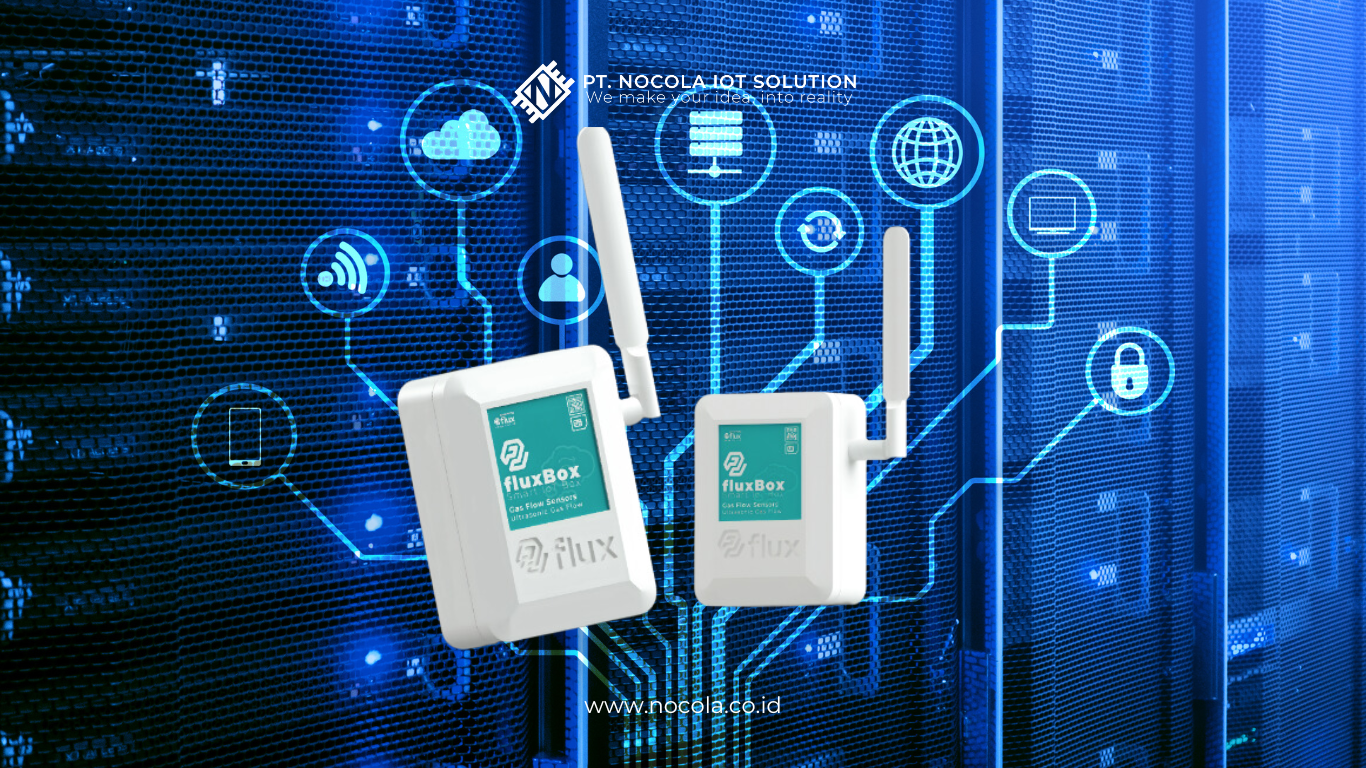
The advancement of digital technology has brought significant changes in how industries manage data. In the modern era, companies are no longer dealing with small amounts of data, but also with big data that continues to grow every second. This data comes from various sources, especially from Internet of Things (IoT) devices connected within operational systems.
IoT enables automatic data collection from sensors, machines, and other devices. However, without proper processing, large volumes of data are difficult to utilize optimally. This is where the role of big data analytics becomes essential.
Flux and Strulytic serve as solutions that help companies effectively manage and analyze IoT data. With a combination of data integration and advanced analytics, these platforms enable companies to transform data into valuable insights.
This article will discuss how industrial IoT big data can be optimized through the use of Flux and Strulytic.
Read Also : IoT Smart Parking with Slot Monitoring at IPC
Big data and IoT are two complementary technologies in modern industry. IoT acts as a data source, while big data analytics processes that data into useful information.
In industrial operations, IoT devices continuously collect data, ranging from machine conditions to the working environment. This data has high volume, variety, and velocity.
Without the right system, this data becomes difficult to analyze. Therefore, a platform capable of efficiently managing big data is required.
By combining IoT and big data, companies can improve operational visibility and make more accurate decisions.
Read Also : The Advantages of Flux Platform by Nocola in Industrial Automation
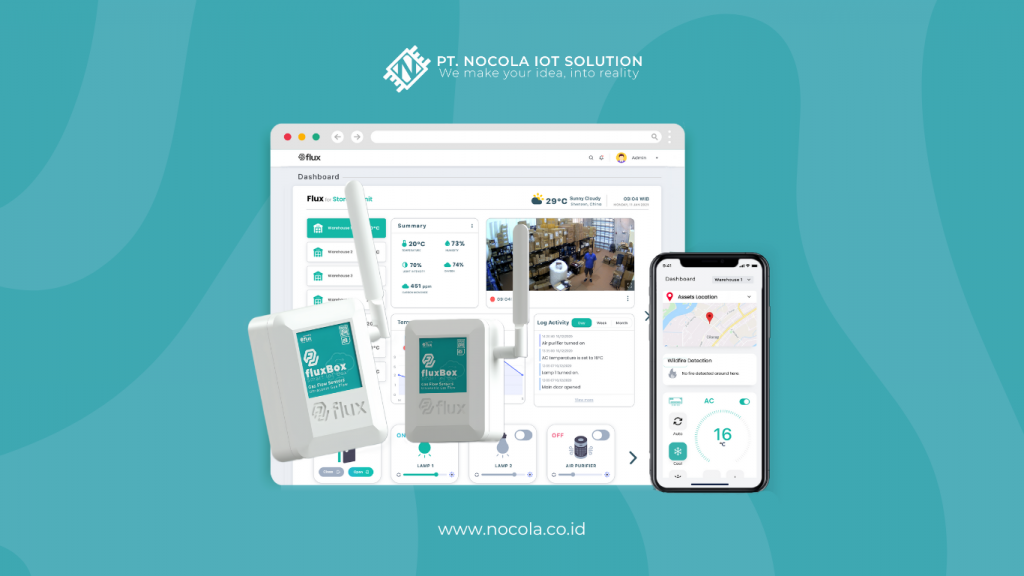
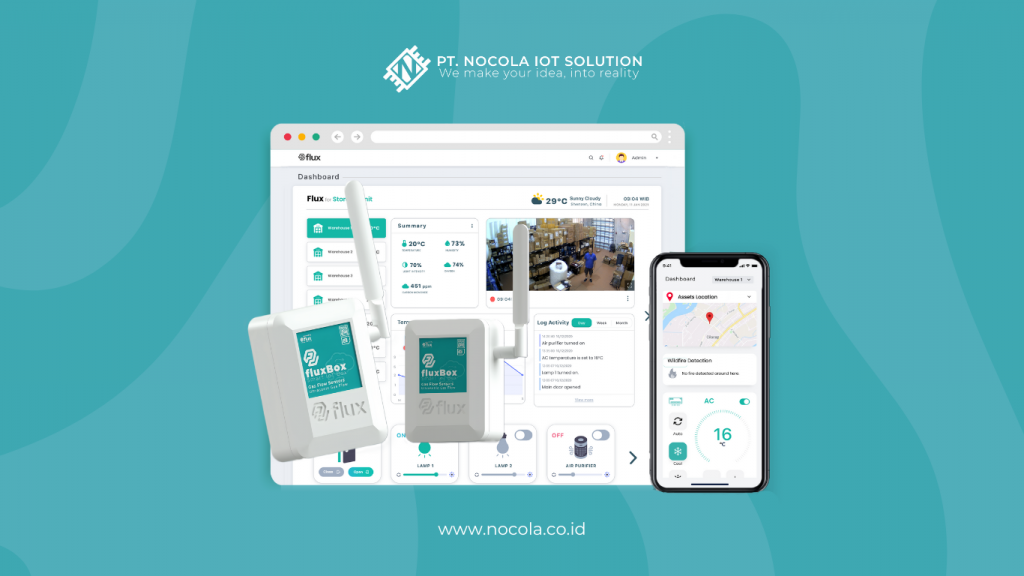
Flux functions as a platform that integrates data from various IoT devices into a centralized system. With this capability, previously scattered data can be collected and managed more effectively.
Flux supports various communication protocols, making it compatible with different types of devices. This simplifies the integration process without requiring changes to existing infrastructure.
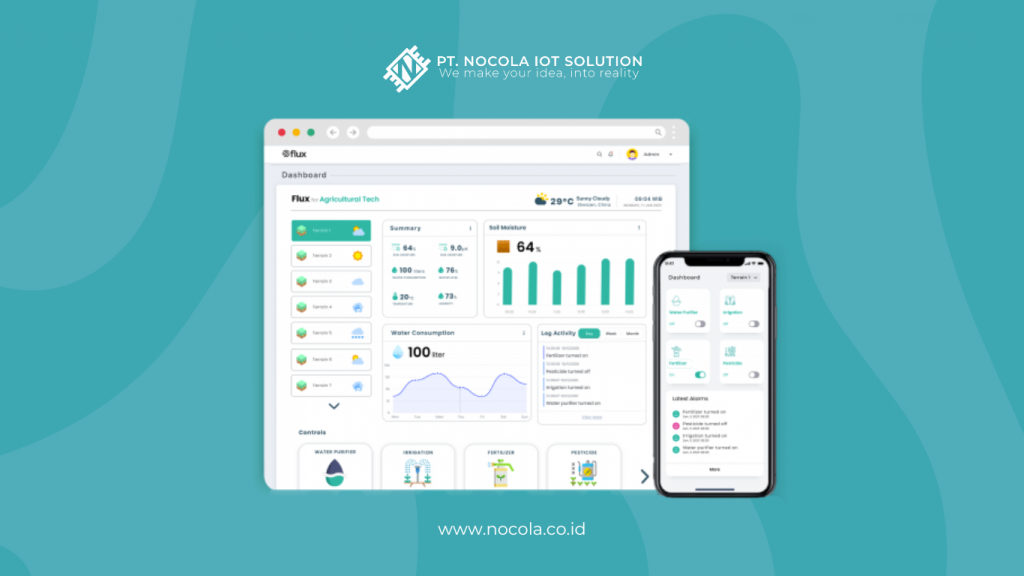
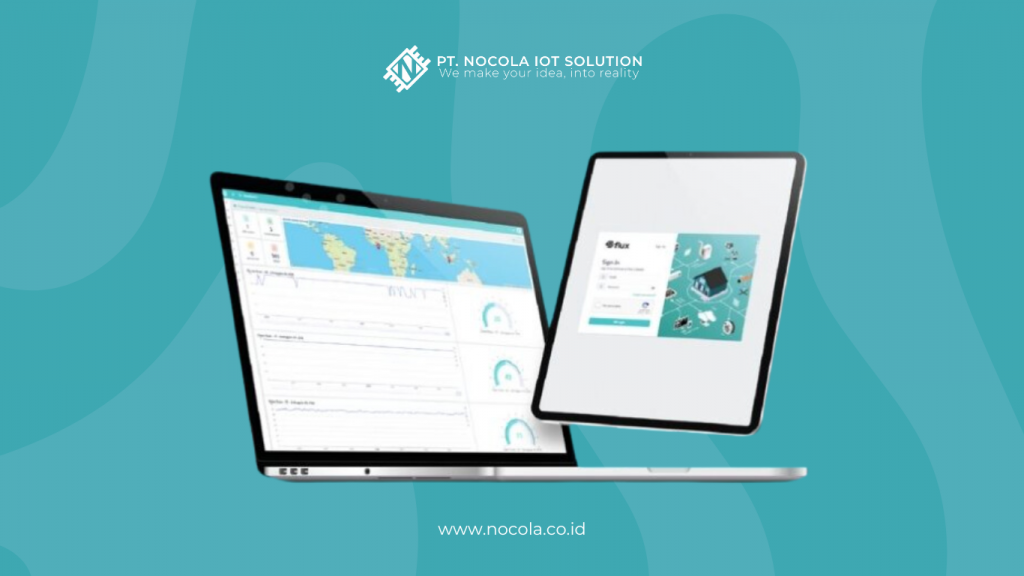
In addition, Flux provides real-time data monitoring. Collected data can be instantly displayed on user-friendly dashboards.
With strong integration, Flux helps companies build a solid foundation for data analysis.
Read Also : Nocola Technology Innovation: IoT Solutions for Monitoring, Operations, and Environment
While Flux focuses on data integration, Strulytic plays a role in data analysis. This platform is designed to process data into insights that can support decision-making.
Strulytic uses analytics technology to identify patterns and trends within data. This information is then presented in a format that is easy for users to understand.
With these capabilities, companies can gain deeper insights into operational conditions. The generated insights help in planning more effective business strategies.
In addition, Strulytic supports predictive analytics, allowing companies to anticipate future conditions.
Read Also : Paperless Operational Records: Digital LogSheet Solution
The combination of Flux and Strulytic creates a comprehensive solution for managing and analyzing IoT big data. Flux is responsible for collecting and integrating data, while Strulytic processes it into insights.
This synergy allows companies to fully utilize their data. Collected data is not only stored but also analyzed to generate added value.
With an integrated system, the analysis process becomes faster and more efficient. Companies can make decisions based on accurate and real-time data.
The collaboration between these platforms helps companies improve operational efficiency and competitiveness.
Read Also : IoT Technology for Smart Plantations: Agricultural Innovation
The use of big data and IoT has a significant impact on industrial efficiency and innovation. One of the main impacts is improved operational efficiency.
With real-time data availability, companies can identify problems faster and take appropriate actions. This helps reduce downtime and resource waste.
Additionally, data analysis opens opportunities for innovation. Companies can develop new solutions based on the insights gained.
The ability to transform data into valuable information becomes a key competitive advantage in the digital era.
Big data and IoT form a powerful combination in supporting industrial digital transformation. With the ability to collect and analyze large volumes of data, companies can improve efficiency and decision-making quality.
Flux and Strulytic act as complementary solutions in optimizing industrial data analytics. Flux provides data integration and management, while Strulytic transforms data into valuable insights.
By leveraging both platforms, companies can build smarter, more efficient, and innovative operational systems. In an increasingly digital era, the ability to manage IoT big data will be a key factor in achieving competitive advantage.
