Physical Address
304 North Cardinal St.
Dorchester Center, MA 02124
Physical Address
304 North Cardinal St.
Dorchester Center, MA 02124

In the modern industrial world, water quality management has become a crucial aspect. Water is not only used in production processes but also as part of cooling systems, cleaning, and wastewater treatment. Therefore, ensuring that water quality meets established standards is essential.
However, manual water quality monitoring often requires significant time, effort, and cost. In addition, conventional methods have limitations in terms of measurement frequency and data accuracy.
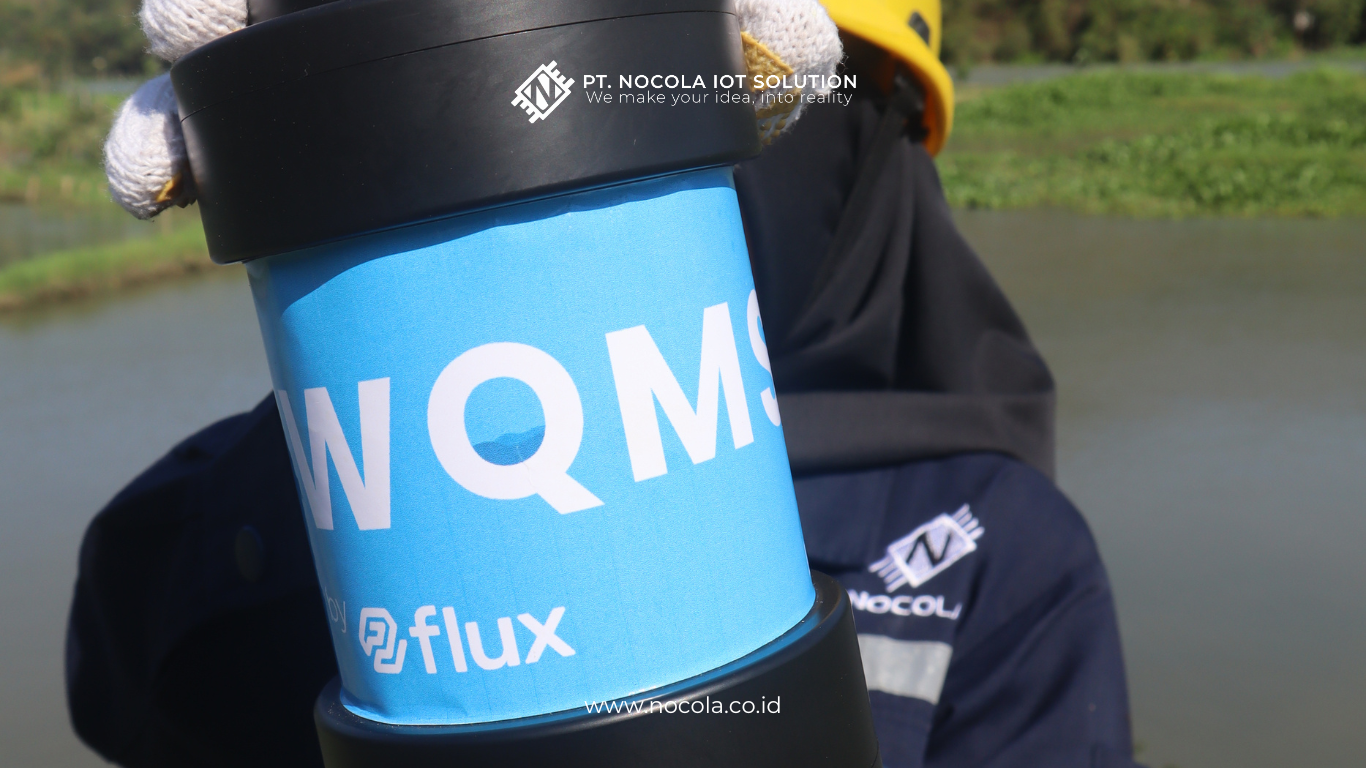
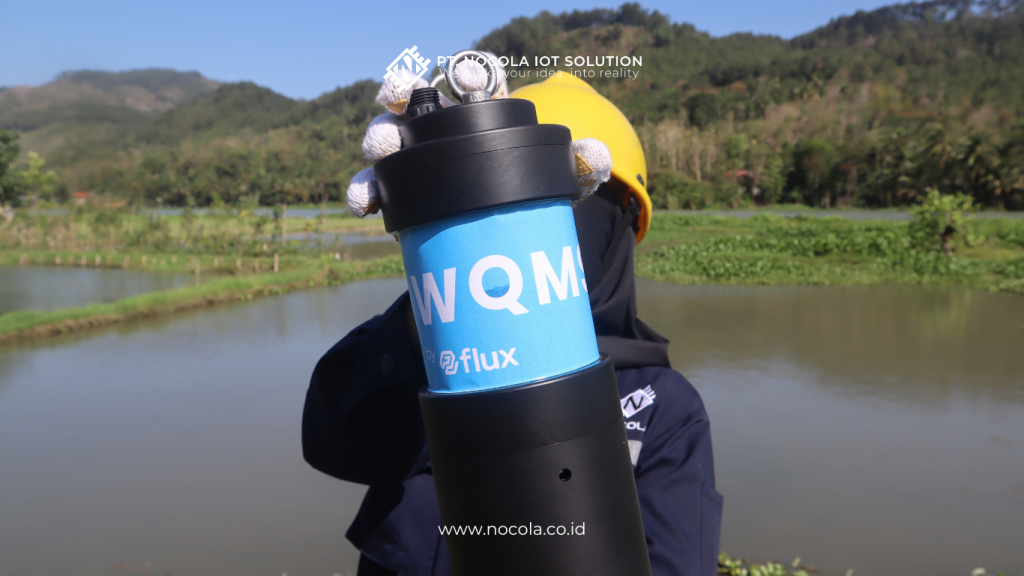
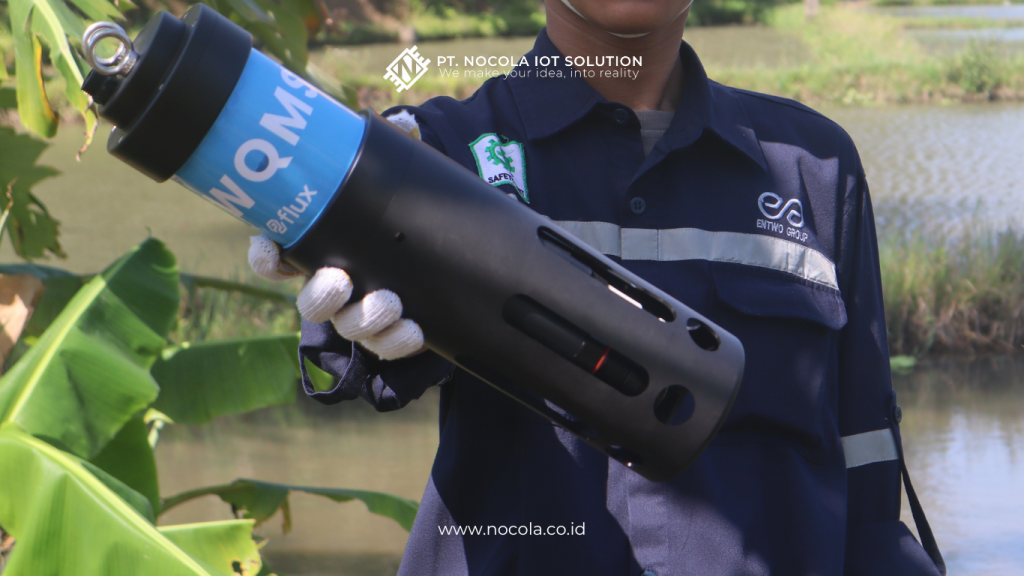
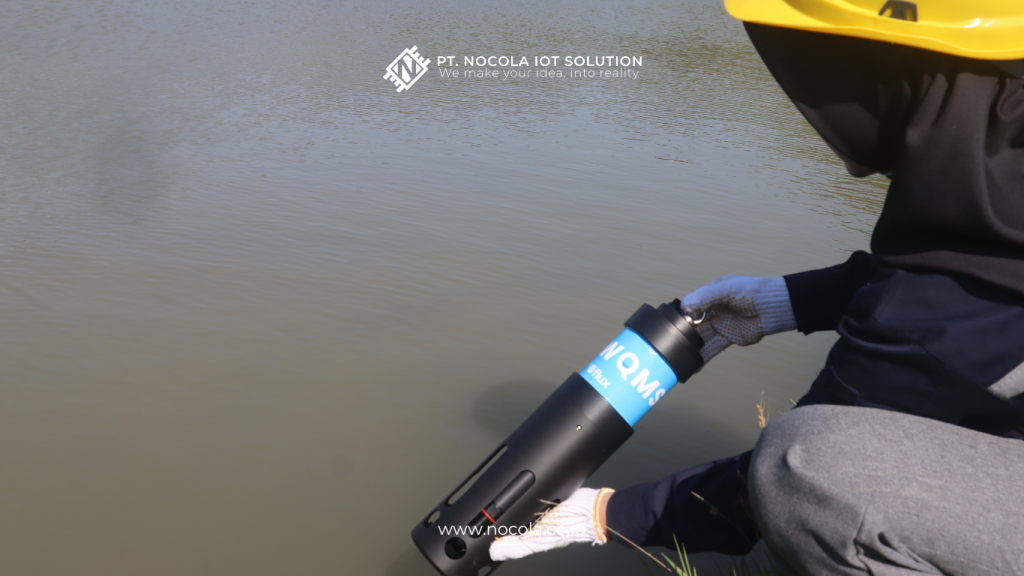
With technological advancements, a more practical and efficient solution has emerged, namely WQMS (Water Quality Monitoring System). With this system, water quality monitoring can be performed automatically, in real-time, and with minimal complexity.
This article will discuss the various benefits of WQMS water monitoring in supporting modern industrial operations.
Read Also : IoT in the Environmental Sector: Real-Time Water & Emission Monitoring
Conventional water quality monitoring is usually carried out by periodically collecting samples. This process requires considerable time and labor.
In addition, test results cannot be obtained instantly. Data must first be analyzed in a laboratory, making the response to changes in water conditions slow.
Limited measurement frequency is also a challenge. Since monitoring is not continuous, changes in water quality between measurement intervals may go undetected.
This can increase the risk of pollution and regulatory violations.
Read Also : Continuous Water Monitoring with Integrated WQMS
One of the main benefits of WQMS is its real-time monitoring capability. Water quality data can be monitored at any time without manual measurements.
With this system, companies can instantly understand water conditions. The information obtained is always up-to-date and reflects actual conditions.
Real-time monitoring also enables companies to respond quickly to changes. If water quality declines, immediate action can be taken.
This makes the monitoring process more practical and efficient.
Read Also : Lihat.id: When AI Vision Technology Replaces Conventional Sensors
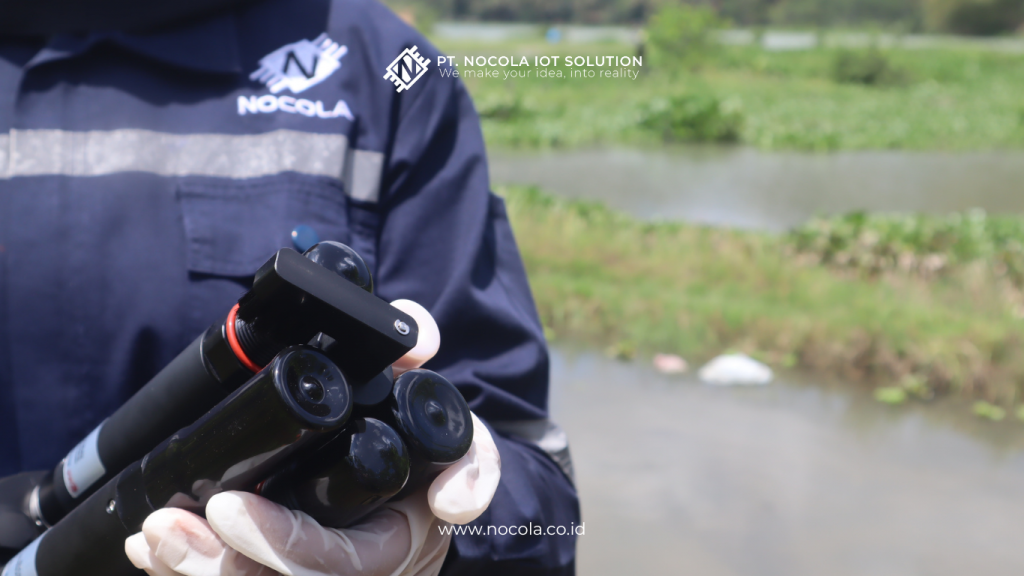
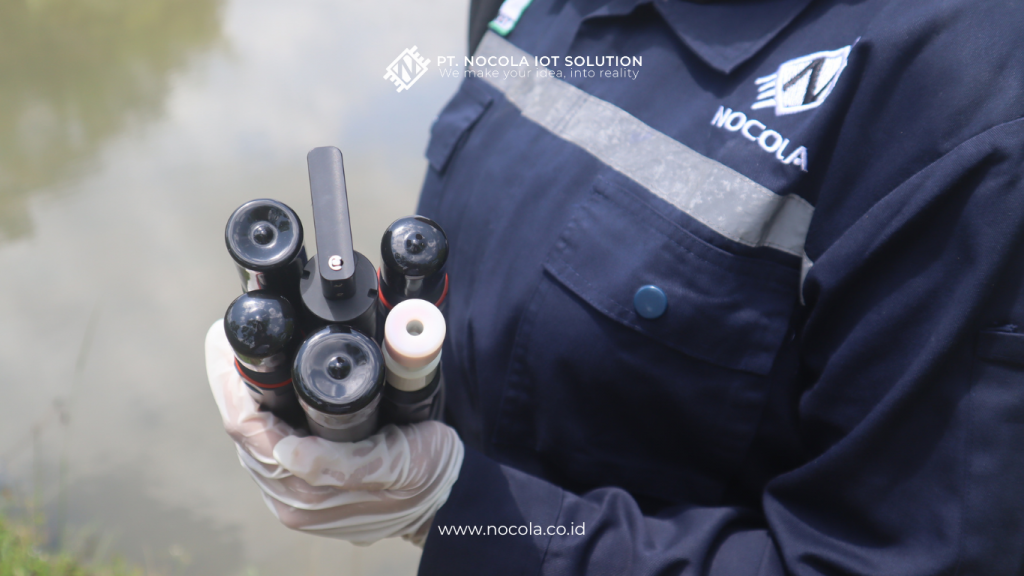
WQMS uses sensors to automatically measure various water quality parameters. This ensures that the generated data has a high level of accuracy.
In addition, measurements are carried out continuously, making the data more consistent. There are no discrepancies caused by human factors.
Accurate data is essential for decision-making. With precise information, companies can manage water quality more effectively.
This accuracy and consistency are key advantages of WQMS compared to conventional methods.
Read Also : Why Industries Must Use CEMS for Real-Time Emission Monitoring
In many industries, water quality monitoring is a government-regulated requirement. Companies must ensure that the wastewater they produce meets established standards.
WQMS helps companies fulfill these obligations by providing complete and accurate data. This data can be used for reporting to regulators.
In addition, the transparency of the data improves trust from the public and stakeholders. Companies can demonstrate their commitment to environmental management.
With WQMS, compliance processes become easier and more structured.
Read Also : Monitor Tank Levels in Real-Time with TankSight
The use of WQMS also improves operational efficiency. Monitoring processes that were previously manual can now be automated.
This reduces labor requirements and saves time. In addition, companies can reduce laboratory testing costs.
With real-time data availability, companies can identify problems faster and avoid larger losses.
In the long term, WQMS can provide significant cost savings.
WQMS is a modern solution that simplifies water quality monitoring in industry. With real-time monitoring capabilities, high data accuracy, and ease of information management, this system provides many benefits for companies.
In addition to improving operational efficiency, WQMS also helps meet regulations and maintain transparency. This makes it an essential tool in water management in the modern industrial era.
With proper implementation, water monitoring is no longer a complicated process. WQMS offers a practical, efficient, and reliable solution to support industrial sustainability.
