Physical Address
304 North Cardinal St.
Dorchester Center, MA 02124
Physical Address
304 North Cardinal St.
Dorchester Center, MA 02124
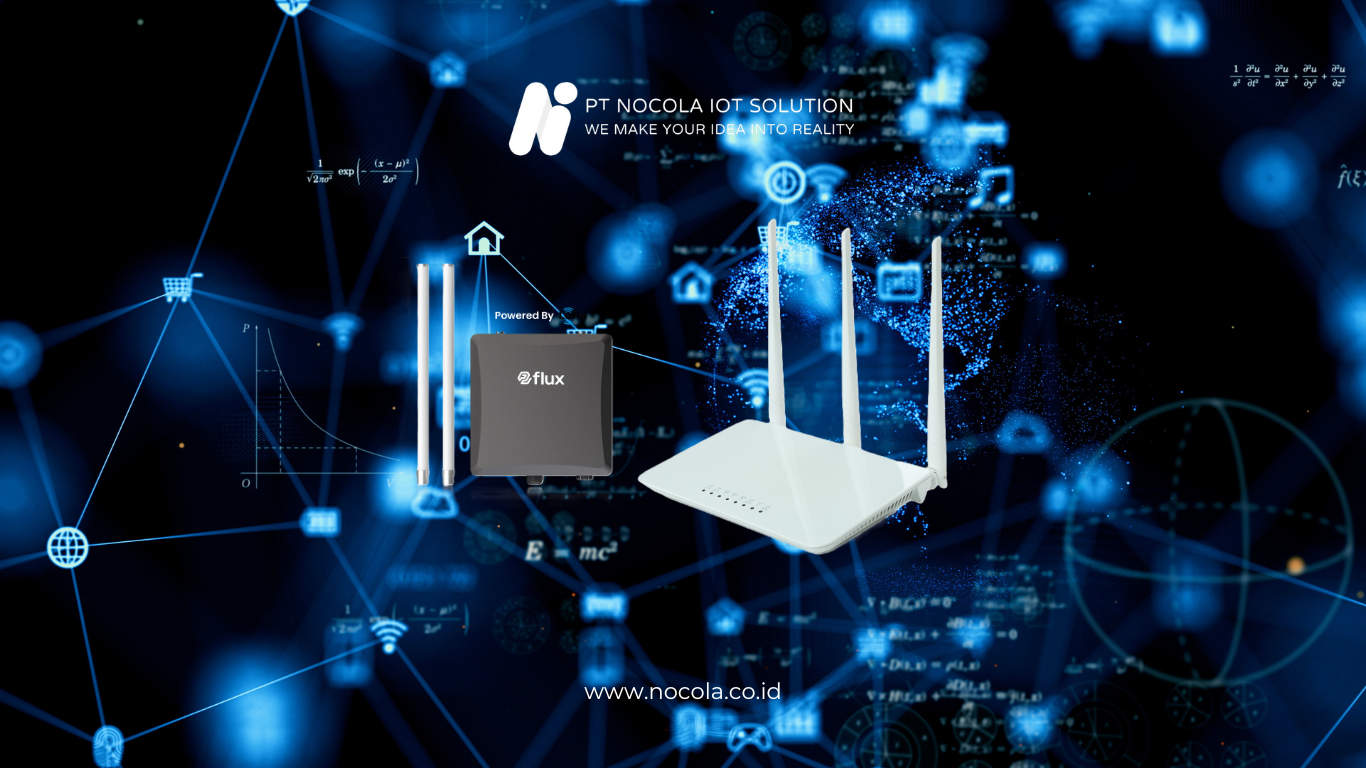
The era of Industry 4.0 has drastically changed the landscape of the industrial sector. One of the key elements in this revolution is the Internet of Things (IoT), which allows devices to connect and exchange data in real-time. However, to support this connectivity, a reliable, energy-efficient, and cost-effective communication network is essential. This is where LPWAN (Low Power Wide Area Network) technologies like NB-IoT and LoRa play a crucial role.
Read Also: Smart City Infrastructure: IoT-Based Drainage Monitoring System
LPWAN is a category of wireless communication networks designed to support long-distance communication with low power consumption and limited bandwidth. This network is particularly suitable for IoT devices that periodically send small amounts of data, such as temperature, humidity, pressure sensors, and more.
In an industrial context, LPWAN is used for applications such as machine monitoring, predictive maintenance, supply chain monitoring, and factory environmental monitoring.
NB-IoT (Narrowband IoT) is an LPWAN standard based on cellular networks developed by 3GPP. NB-IoT uses the existing infrastructure of cellular operators, making integration easier without the need to build a new network.
NB-IoT is ideal for companies looking to leverage existing cellular infrastructure, such as in:
LoRa (Long Range) is a narrowband radio technology designed for long-distance communication with extremely low power consumption. LoRaWAN is a LoRa-based communication protocol designed to manage IoT networks in a structured manner.
| Feature | NB-IoT | LoRa |
|---|---|---|
| Infrastructure | Cellular Operator | Standalone Network |
| Cost | Subscription cost to operator | Initial gateway cost |
| Coverage | 10-15 km (depending on the BTS) | 5-15 km |
| Power Consumption | Very low | Very low |
| Scalability | High | High |
| Security | Operator-level security | Customizable security |
| Best suited for | Urban & indoor industry | Rural & remote industry |
The choice between NB-IoT and LoRa depends heavily on the specific needs of the industry: location, scale, infrastructure, and business model.
IoT network technology continues to evolve. Beyond NB-IoT and LoRa, new options are starting to emerge, such as:
However, for simple sensor applications and continuous monitoring, NB-IoT and LoRa remain the main backbone.
In the world of Industrial IoT, choosing the right communication network is the foundation for the successful implementation of technology. Whether utilizing cellular-based NB-IoT or standalone LoRa, both offer efficiency, reliability, and high scalability.
NB-IoT is highly suitable for urban areas or indoor facilities with access to operator networks, while LoRa excels in wide, remote areas and allows for long-term cost savings.
By carefully considering location, data needs, and resources, companies can choose the most suitable LPWAN technology. This technology not only supports digital transformation but also enhances efficiency, safety, and productivity in the industry during the Industry 4.0 era.

