Physical Address
304 North Cardinal St.
Dorchester Center, MA 02124
Physical Address
304 North Cardinal St.
Dorchester Center, MA 02124

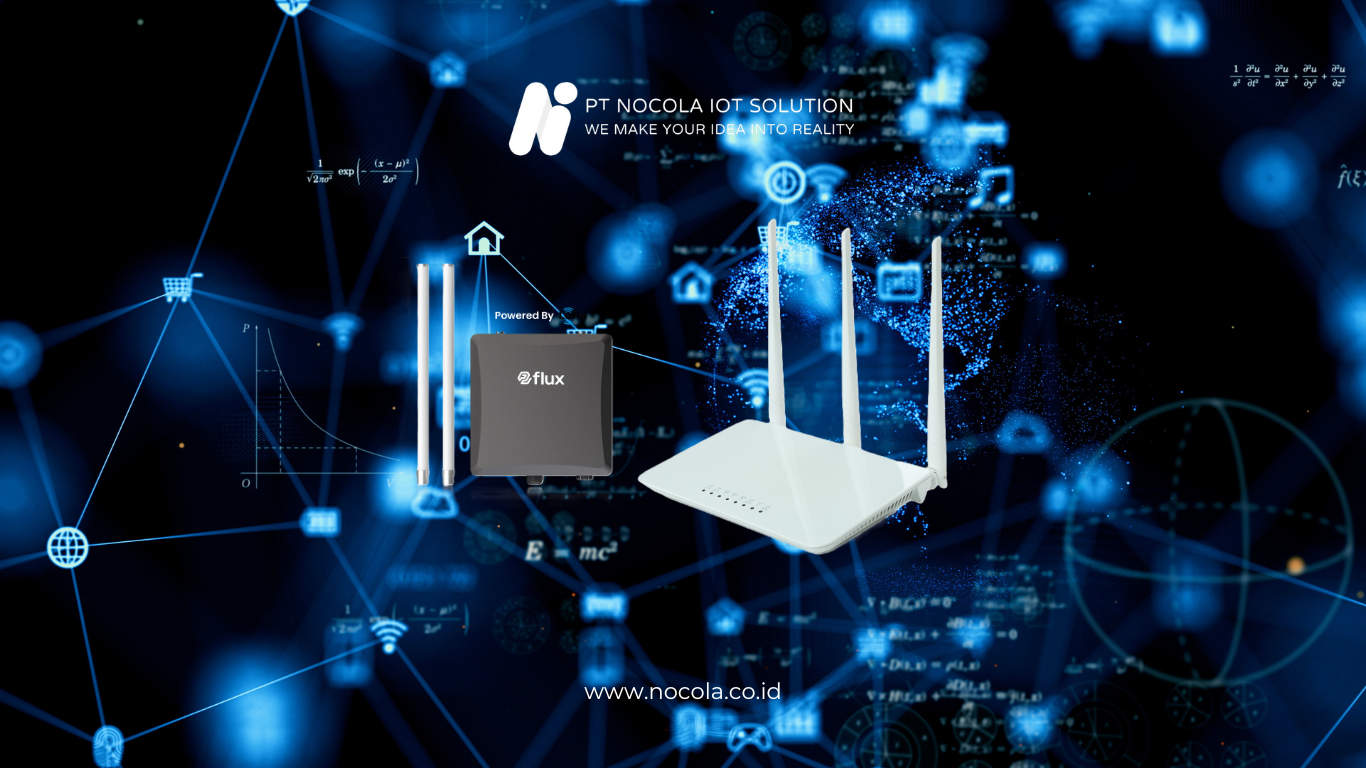
The era of digital transformation has drastically changed the landscape of the industrial sector. One of the key elements in this revolution is the Internet of Things (IoT), which enables devices to connect and exchange data in real-time. However, to support this connectivity, a reliable, energy-efficient, and cost-effective communication network is essential. This is where 5G and Edge Computing play a crucial role.
The combination of these technologies allows for super-fast connectivity, very low latency, and data processing closer to the source. This article will delve into how 5G and Edge Computing shape the future of IoT, their benefits, applications in various industries, and the challenges they face.
Read More: Easier Digital Transformation with Nocola IoT Solutions
5G is the fifth generation of cellular networks, offering much higher data transfer speeds (up to 10 Gbps), very low latency (only 1 ms), and large connection capacity. This technology is designed to meet the demands of the digital era, particularly within the IoT ecosystem with billions of interconnected devices.
Edge computing is a computing model where data is processed close to where it is generated (at the edge) rather than sending it to data centers or the cloud. The goal is to reduce latency, improve response speed, and save bandwidth.
Examples of edge computing implementation include IoT devices that process data locally to make real-time decisions, such as autonomous vehicles or smart security systems.
IoT is currently evolving rapidly, but several obstacles still hinder its scalability:
The presence of 5G and edge computing provides solutions for all these challenges by offering:
The combination of 5G and edge enables IoT systems to operate in real-time, intelligently, and efficiently, especially in critical sectors such as manufacturing, healthcare, transportation, and energy.
5G and edge allow for instant decision-making. For example, in autonomous vehicles, the system must process data within milliseconds to avoid accidents.
With edge computing, data does not need to be sent to the cloud, thus reducing network load and maximizing the use of 5G bandwidth.
Sensitive data can be processed locally at the edge, reducing the risk of data leakage by not traversing multiple communication paths.
Edge devices can process and filter data before transmitting only the essential information, thereby saving power and extending the lifespan of IoT devices.
The 5G network can manage dense networks consisting of thousands or even millions of devices, allowing IoT to grow exponentially.
5G and Edge Computing are strong foundations for the future of IoT. Together, they support the growth of a responsive, efficient, and integrated ecosystem of smart devices.
For businesses and governments, this is the right time to start investing and developing technology adoption strategies gradually. With the transformative potential across various sectors—from manufacturing and healthcare to smart cities and agriculture—there’s no doubt that 5G and edge are the major game changers in the next digital revolution.
The future of IoT is not just about connectivity but about speed, security, and real-time decision-making. All of this is made possible through the presence of 5G and Edge Computing.

