Physical Address
304 North Cardinal St.
Dorchester Center, MA 02124
Physical Address
304 North Cardinal St.
Dorchester Center, MA 02124

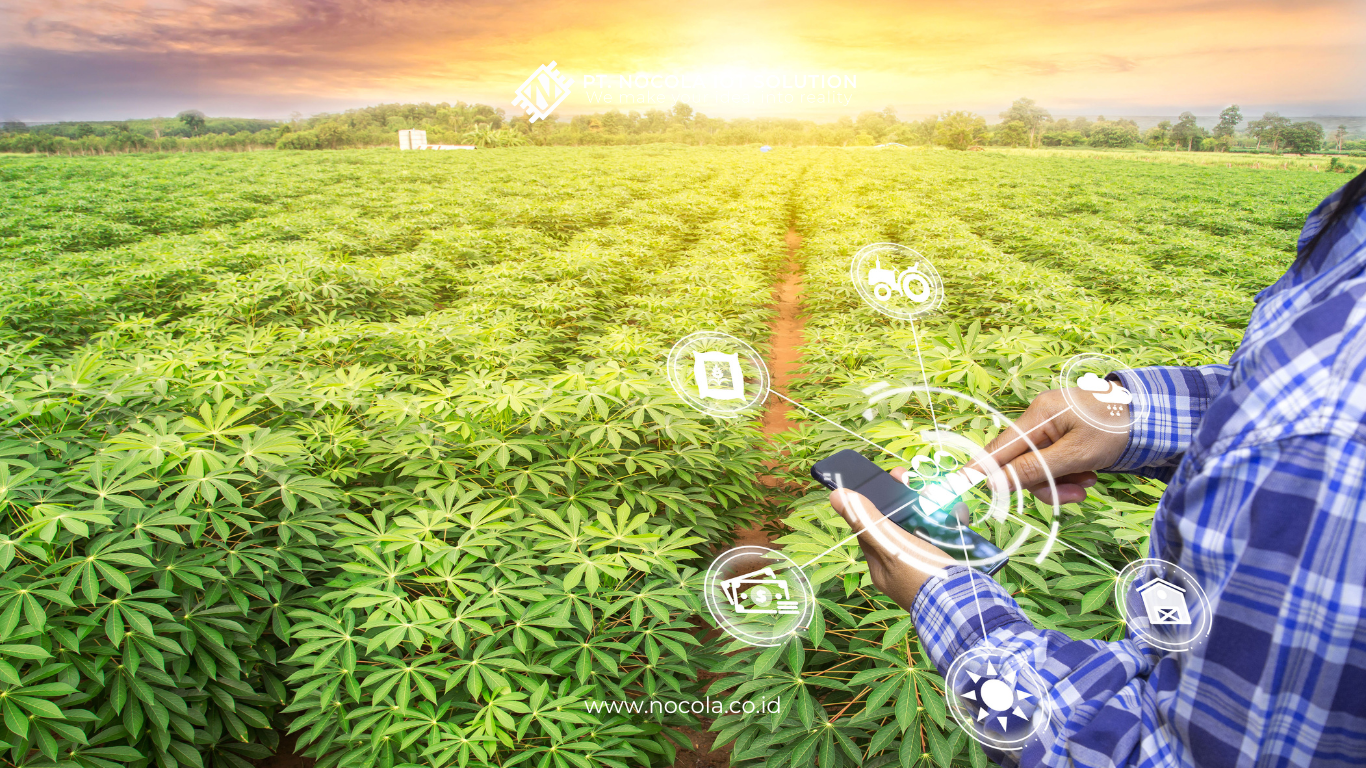
In the ever-evolving digital era, the Internet of Things (IoT) technology is increasingly demonstrating its significant role across various sectors, including agriculture. Flux Agriculture, as one of the solutions presented by Nocola, is an innovation that can significantly enhance agricultural productivity. This article will discuss how Flux Agriculture uses IoT technology to modernize farming practices, improve crop yields, and address the challenges faced by farmers.
Read More: Nocola Flux Water Level: An Efficient and Integrated Water Level Monitoring Solution
Agriculture has undergone significant changes with the advancement of technology. The use of IoT in agriculture allows for real-time data collection from various sources, such as soil, weather, and plant conditions. By leveraging connected sensors and devices, farmers can gain better insights into their fields, enabling more precise and efficient decision-making.
Flux Agriculture is an IoT platform specifically designed to enhance efficiency and productivity in agriculture. Utilizing cutting-edge technology, Flux Agriculture integrates various components to monitor and manage agricultural conditions, from irrigation management to plant health monitoring.
The application of IoT in agriculture is crucial as it helps farmers to:
Read More: Utilizing Nocola’s Fluxtrack in the Supply Chain: Increasing Logistics Transparency and Efficiency
Flux Agriculture offers various benefits that can enhance agricultural productivity. Here are some of them:
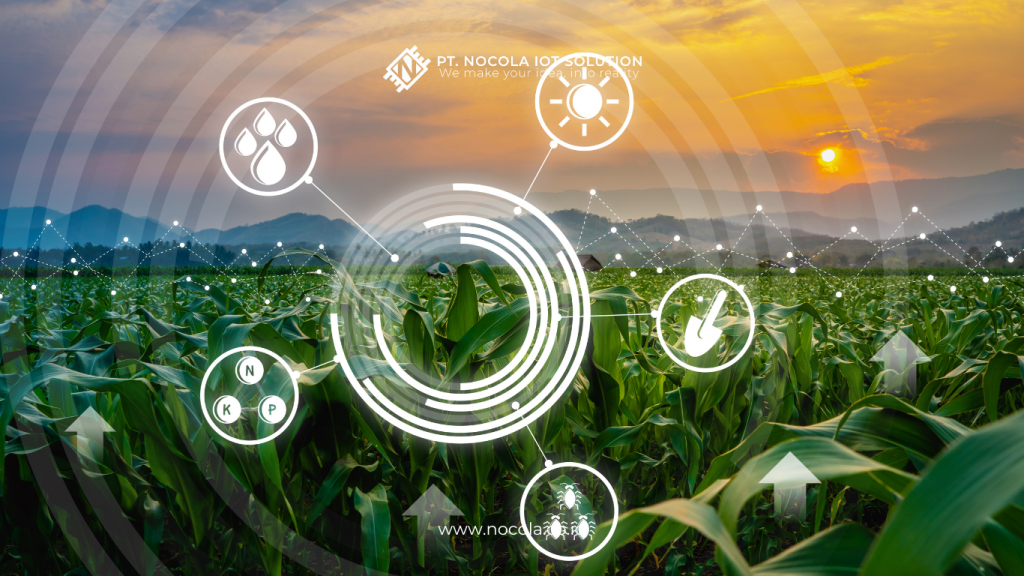
With Flux Agriculture, farmers can monitor plant health in real time. Sensors installed in the fields can collect data on soil moisture, temperature, and nutrient levels. This data can be accessed through an application, providing farmers with the insights needed to respond quickly to issues.
One of the biggest challenges in agriculture is water management. Flux Agriculture uses IoT technology to automate irrigation systems. Based on soil moisture data, the system can adjust the amount of water provided, reducing waste and ensuring plants receive the right amount of water.
Flux Agriculture not only collects data but also analyzes it to help farmers make better decisions. By using predictive analytics, farmers can plan planting and harvesting based on weather forecasts and market conditions, increasing their chances of success.
By optimizing resource use and minimizing environmental impact, Flux Agriculture contributes to more sustainable farming practices. Farmers can reduce the use of pesticides and excessive fertilizers, which are harmful to ecosystems.
Read More: Nocola Flux Water Level: An Efficient and Integrated Water Level Monitoring Solution
Implementing Flux Agriculture in farming practices can be achieved through several steps:
Before adopting technology, it is essential for farmers to assess their needs. What challenges are they facing? Do they need a plant health monitoring system, irrigation management, or data analysis?
After the assessment is conducted, the next step is to install sensors and IoT devices in the agricultural fields. This includes moisture, temperature, and nutrient sensors, as well as devices to regulate the irrigation system.
Farmers need to be trained to use this technology effectively. Education on how to interpret data and take appropriate actions is crucial for fully leveraging this technology.
After implementation, farmers need to continuously monitor the system’s performance and make adjustments as necessary. The collected data can provide insights into what works and what needs improvement.
While Flux Agriculture offers many benefits, there are several challenges that must be faced in implementing IoT technology in agriculture:
The initial investment for IoT technology can be quite high, especially for small farmers. However, these costs can be offset by increased productivity and efficiency in the long run.
Adopting new technology requires dependence on devices and internet connectivity. In remote areas, internet access can be a significant obstacle.
Not all farmers possess the skills required to use new technology. Adequate training and education are vital to ensure successful implementation.
Read More: Building an IoT Ecosystem with Fluxcloud from Nocola: Managing IoT Data at Scale
As the digital landscape continues to evolve, the integration of IoT technology in agriculture holds great promise for enhancing productivity, sustainability, and overall farm management. With solutions like Flux Agriculture, farmers can adapt to the changing agricultural environment and face challenges with innovative tools and insights.
5.1 Integration with Other Technologies
Flux Agriculture can integrate with other technologies such as drones for aerial monitoring or cloud-based agricultural management systems that provide broader insights into agricultural practices.
5.2 Global Deployment
With the increasing awareness of the importance of sustainable agriculture, Flux Agriculture has the opportunity to be implemented in various countries and types of farming, from small-scale to large-scale operations.
Flux Agriculture, as an IoT solution, offers farmers the opportunity to enhance productivity and efficiency in their agricultural practices. By leveraging technology for crop monitoring, irrigation management, and data analysis, Flux Agriculture is capable of addressing the challenges faced by modern farmers. Although there are some challenges in its implementation, the long-term benefits it offers make this technology highly valuable. Moving forward, Flux Agriculture has the potential to continue to grow and contribute to sustainable agriculture worldwide.