Physical Address
304 North Cardinal St.
Dorchester Center, MA 02124
Physical Address
304 North Cardinal St.
Dorchester Center, MA 02124


In the current digital era, efficient asset management is not only vital for business productivity but also a key factor in operational success. One of the increasingly popular technologies in asset management is RFID (Radio Frequency Identification). This technology offers an innovative and effective way to track and manage business assets, ranging from inventory items to heavy equipment. In this article, we will explore what RFID asset management is, how it works, its benefits, and various applications that can transform how businesses operate.

RFID (Radio Frequency Identification) is a technology that uses radio waves to identify and track objects. An RFID system consists of three main components: RFID tags, readers, and information processing systems. RFID tags attached to assets contain information that can be read by RFID readers connected to a computer system for further analysis.
In asset management, RFID offers several advantages over traditional methods such as barcodes. Here are some reasons why many businesses are switching to RFID technology:

An RFID asset management system works by collecting data from tags attached to assets. The process involves several steps:
An RFID asset management system typically consists of:

With the automation of asset tracking, companies can reduce the time spent searching for and managing inventory. This allows employees to focus on more strategic tasks.
RFID provides better visibility into inventory, helping companies identify usage patterns and optimize stock levels. This can prevent stockouts or excess inventory.
With the ability to track assets in real-time, companies can mitigate loss and theft. Historical data from the RFID system can be used for investigations if assets go missing.
The initial investment in RFID technology can be offset by long-term operational cost savings. By reducing the need for manual management and improving accuracy, companies can operate more efficiently.
Accurate, real-time data allows management to make informed decisions based on current information. This aids in strategic planning and better decision-making.

In the manufacturing industry, RFID is used to automate the tracking of components on the production line. This approach saves time and costs through improved efficiency.
Retail companies utilize RFID technology to manage inventory and monitor sales more efficiently. With RFID, they can accurately know how many items are on the shelves.
RFID is applied in hospitals and healthcare facilities to track medical supplies and monitor equipment. This helps avoid the loss of important medical tools and ensures adequate drug supplies.
In the logistics industry, RFID aids in monitoring shipments and inventory in real-time. This enables companies to improve efficiency and reduce shipping costs.
In the education sector, RFID is used to track library books and other educational assets. This facilitates resource management and reduces book loss.
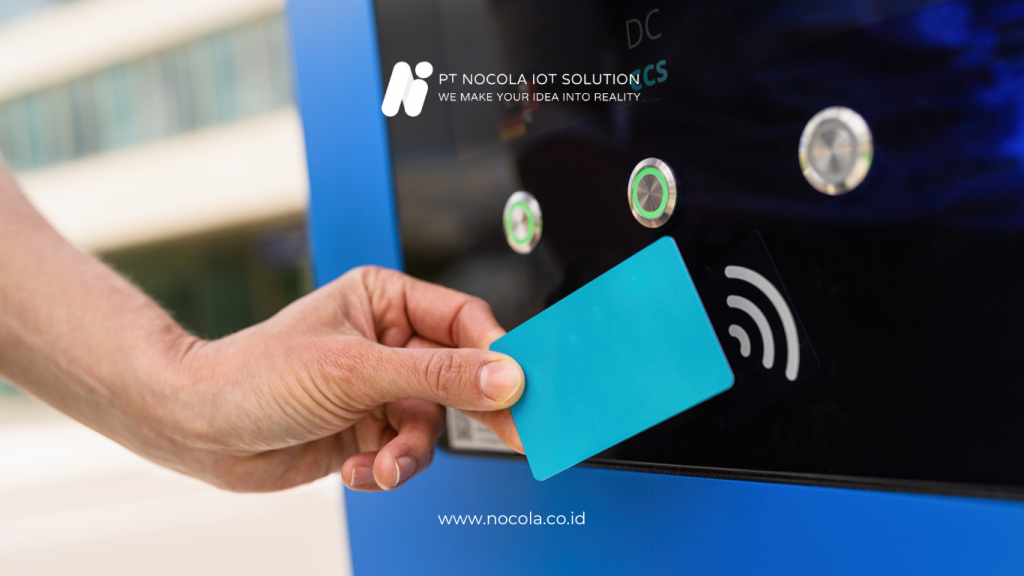
As more businesses recognize the benefits of RFID asset management, the use of this technology will continue to rise. More industries will be able to implement RFID to improve their operations.
Integrating RFID with other technologies, such as IoT and data analytics, will open up new opportunities for innovation in asset management.
With increasing attention to sustainability, companies will use this technology to not only enhance efficiency but also reduce the environmental impact of their operations.
RFID asset management is an innovative solution that helps companies improve efficiency, security, and the quality of inventory management. By leveraging technologies such as RFID, businesses can enjoy significant benefits, including cost reduction and productivity enhancement.
Nocola is committed to providing information and solutions that support the adoption of advanced technologies. By investing in innovation and new technologies, we can create a better and more sustainable future for all.

