Physical Address
304 North Cardinal St.
Dorchester Center, MA 02124
Physical Address
304 North Cardinal St.
Dorchester Center, MA 02124


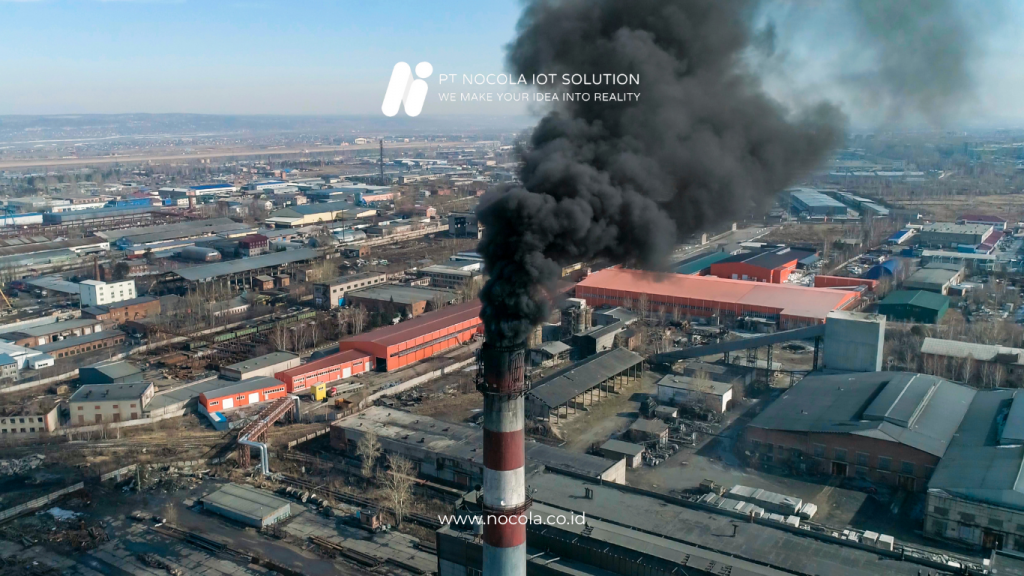
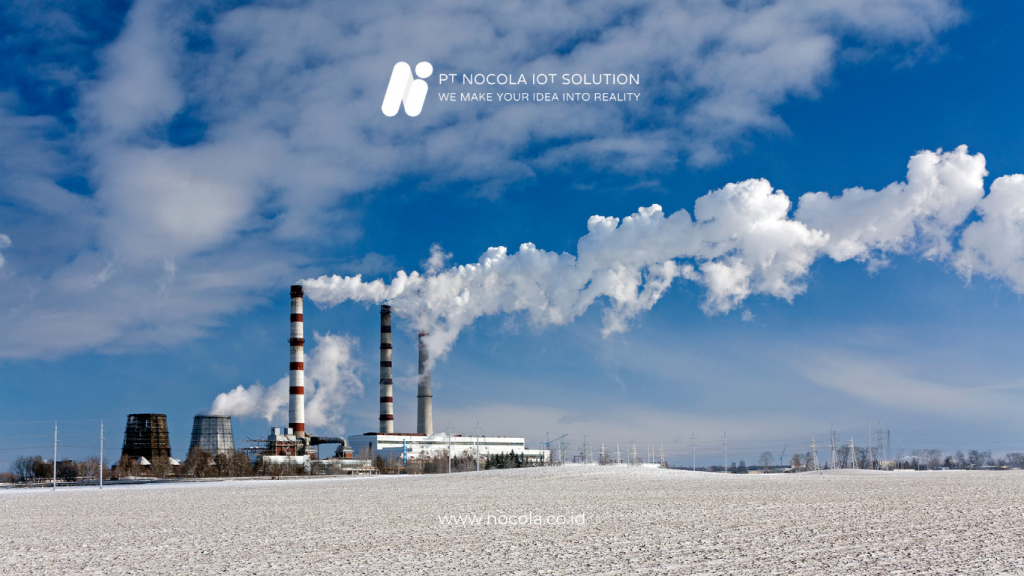
The energy industry is one of the sectors that significantly contributes to greenhouse gas emissions. In recent decades, there has been increasing attention to environmental issues, particularly regarding the impacts of carbon emissions, sulfur dioxide (SO₂), nitrogen oxides (NOx), and particulates released into the atmosphere. To address these challenges, the Continuous Emission Monitoring System (CEMS) has emerged as a modern solution that allows energy companies to measure, monitor, and report emissions in real-time.
Implementing CEMS is not just about compliance with regulations; it also plays a crucial role in the transformation toward a more environmentally friendly, transparent, and sustainable energy industry. This article will provide an in-depth discussion of how digitalization through CEMS supports efficiency, transparency, and sustainability in emissions management.
Read Also: CEMS Nocola: Reducing Emissions with Continuous Monitoring
CEMS (Continuous Emission Monitoring System) is a technology-based system used to continuously monitor flue gas emissions. This system measures the concentration of pollutants such as SO₂, NOx, CO, CO₂, O₂, particulates, and other parameters.
With digital integration, the data collected by CEMS can be accessed in real-time, sent to data centers, and connected to government agencies to ensure transparency in reporting.
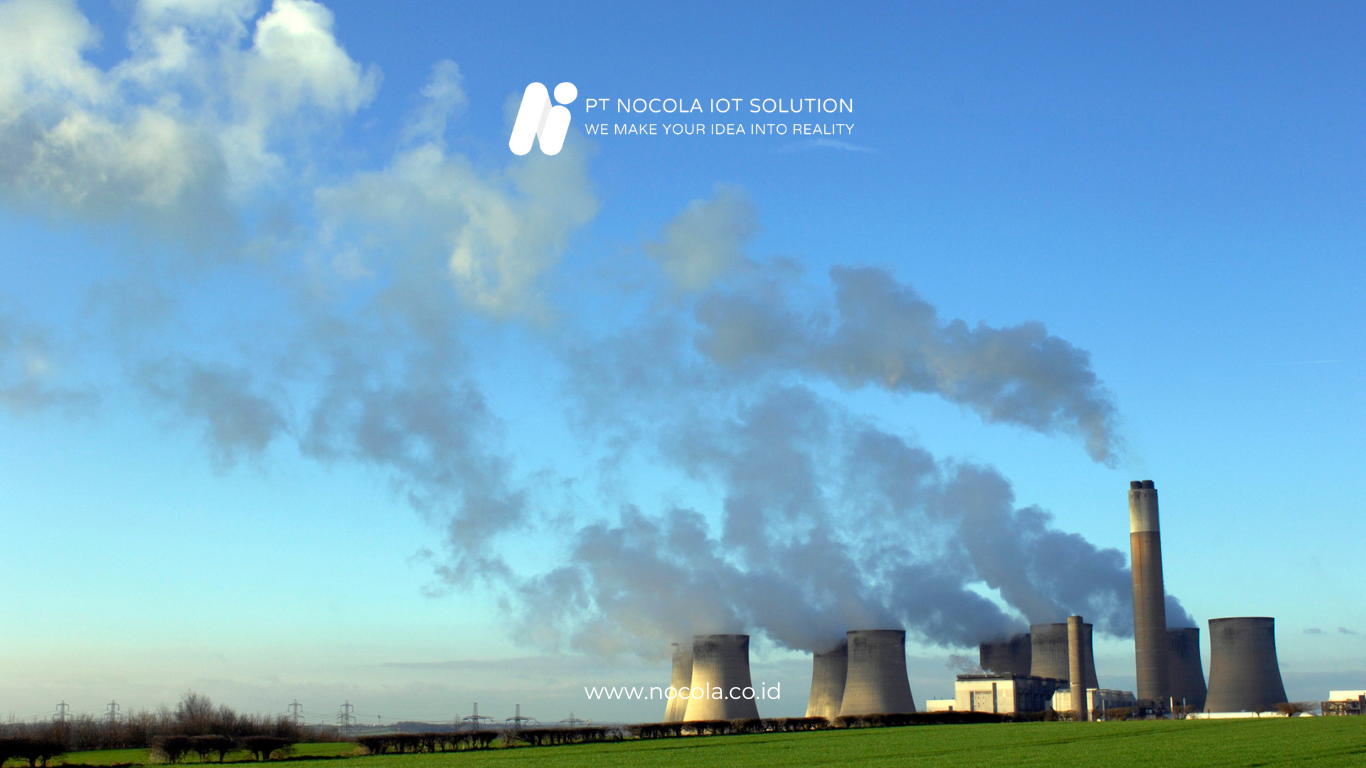
Digitalization is a key element in enhancing the effectiveness of CEMS. Without digitalization, emission data can only be read manually, potentially leading to delays in reporting and analysis.
Here are some reasons why digitalization is critical:
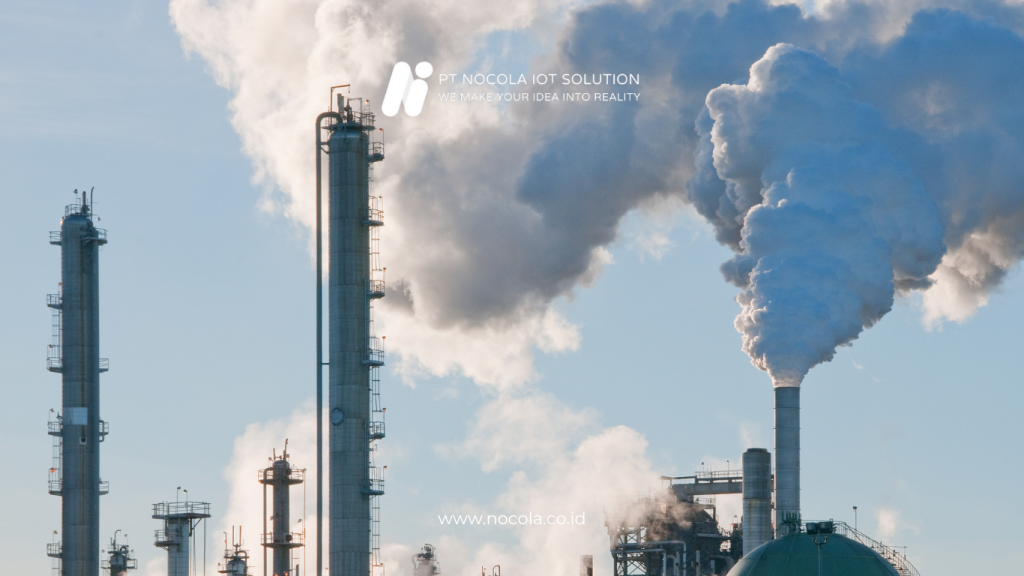
Digital CEMS minimizes human errors since data is collected and analyzed automatically. Measurement results are more precise, helping companies make fact-based decisions.
Data is updated every second, allowing companies to know the current emission conditions. If there is a dangerous spike, the system alarm will provide a quick alert.
Governments require many industries to implement CEMS as a monitoring standard. With digitalization, companies can more easily demonstrate compliance with Minister of Environment Regulations as well as international standards such as the EPA (Environmental Protection Agency).
Although the initial investment is substantial, digitalizing CEMS can reduce long-term costs by minimizing the risk of fines due to emission violations and streamlining operations.
Digitalizing emission monitoring supports companies in enhancing their environmentally-friendly image, which is crucial for Corporate Social Responsibility (CSR) and compliance with Environmental, Social, and Governance (ESG) principles.
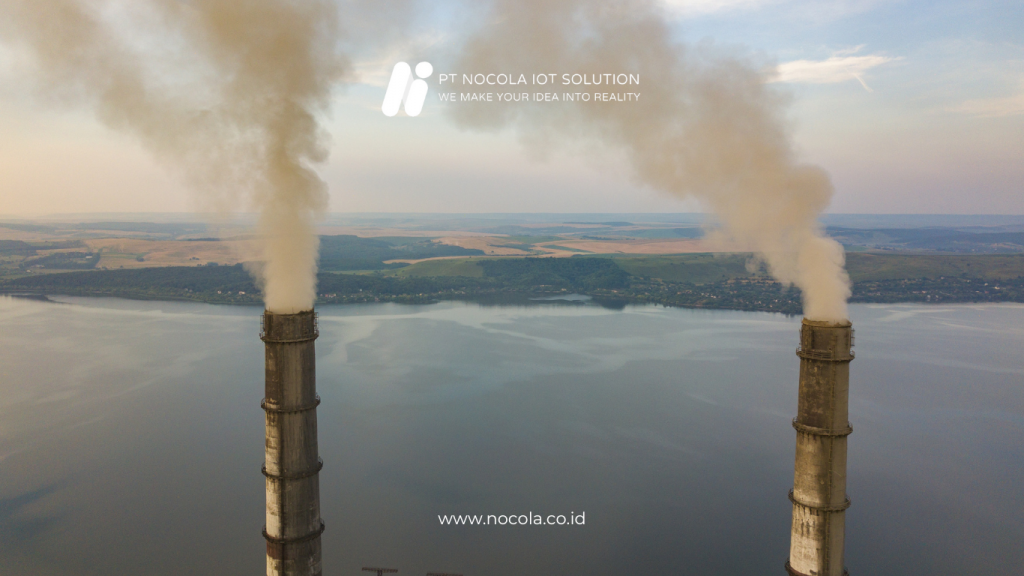
CEMS is used to monitor emissions from flue stacks of coal, gas, or biomass-fired power plants.
Ensures pollutants such as particulates, NOx, and SO₂ remain below threshold limits.
CEMS helps detect emissions of hazardous gases that pose risks to the environment and workplace safety.
Reduces air pollution impact from metal smelting processes that generate toxic gases.
The digitalization of CEMS will continue to evolve with various innovations, including:
The implementation of CEMS in the energy industry is not only a necessity for compliance but also a strategic step toward sustainability. This technology provides numerous benefits, from transparency and operational efficiency to tangible contributions toward emission reduction.
In an era where environmental awareness is paramount, CEMS can serve as a vital tool for companies looking to improve their operational practices and environmental responsibilities.

